Charles Barkley Weight Loss: The NBA Legend’s Inspiring Transformation Journey
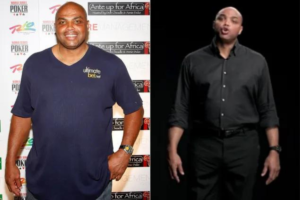
Charles Barkley Weight Loss :Charles Barkley, the legendary NBA Hall of Famer and beloved basketball analyst, has captured headlines not just for his outspoken commentary on TNT’s “Inside the NBA,” but also for his remarkable weight loss transformation. The 11-time NBA All-Star’s journey to better health serves as an inspiration to millions struggling with their own weight management goals.
Who Is Charles Barkley?
Before diving into his weight loss story, it’s important to understand the man behind the transformation. Charles Wade Barkley, born February 20, 1963, in Leeds, Alabama, became one of basketball’s most dominant power forwards despite standing at 6’6″ – shorter than typical players in his position. His illustrious 16-year NBA career included stints with the Philadelphia 76ers, Phoenix Suns, and Houston Rockets, earning him the 1993 NBA MVP award and a spot on the NBA’s 50th and 75th Anniversary Teams.
After retiring in 2000, Barkley transitioned seamlessly into broadcasting, becoming one of the most recognizable voices in sports media. However, like many retired athletes, he faced the challenge of maintaining his health and fitness without the rigorous training demands of professional basketball.
The Weight Struggle: From Court to Couch
Throughout his playing career, Barkley maintained a playing weight of around 250-260 pounds, which was appropriate for his muscular, powerful frame. His physical style of play required strength and bulk, making him one of the most fearsome rebounders and post players of his generation despite his relative lack of height.
However, retirement brought significant changes. Without daily practices, games, and the intense physical demands of professional basketball, Barkley’s weight began to climb. By his own admission, he reached over 350 pounds at his heaviest, a concerning number that put him at serious health risk. The weight gain is a common challenge for retired athletes whose metabolisms and lifestyles undergo dramatic changes after their playing days end.
The Wake-Up Call: Health Concerns and Motivation
Charles Barkley’s decision to lose weight wasn’t purely cosmetic. The basketball legend faced serious health concerns that served as a powerful motivator for change. Reports indicated he was dealing with issues related to obesity, including the risk of diabetes, heart disease, and joint problems – conditions that are particularly concerning for someone who had already subjected his body to the physical toll of professional basketball.
In various interviews, Barkley has been candid about his struggles, acknowledging that his eating habits spiraled out of control after retirement. He admitted to consuming large portions, indulging in unhealthy foods, and living a sedentary lifestyle compared to his playing days. This honesty resonated with many Americans facing similar challenges.
The turning point came when Barkley recognized that his weight was not just affecting his physical health but also his quality of life and ability to enjoy his post-basketball career to the fullest.
Charles Barkley’s Weight Loss Strategy
Medical Intervention and Professional Guidance
Unlike some celebrity weight loss stories that rely solely on extreme diets or questionable supplements, Barkley took a comprehensive approach to his transformation. He worked with medical professionals and nutritionists to develop a sustainable plan tailored to his specific needs and health conditions.
Reports suggest that Barkley may have used weight loss medication as part of his journey, specifically Mounjaro (tirzepatide), a prescription medication approved for weight management. This class of medications, which includes similar drugs like Ozempic and Wegovy, has gained significant attention for their effectiveness in helping people lose substantial amounts of weight when combined with lifestyle changes.
It’s important to note that these medications are not magic pills. They work by helping to regulate appetite and blood sugar levels, but they’re most effective when combined with proper nutrition and exercise – exactly the approach Barkley adopted.
Dietary Changes: Rethinking Nutrition
A crucial component of Barkley’s weight loss was overhauling his diet. While specific details of his meal plan haven’t been publicly disclosed in great detail, the fundamental principles likely included:
Portion Control: Learning to eat appropriate serving sizes rather than the large portions he’d become accustomed to consuming.
Reduced Caloric Intake: Creating a calorie deficit by consuming fewer calories than his body burned daily.
Healthier Food Choices: Replacing processed foods, fast food, and sugary beverages with whole foods, lean proteins, vegetables, and fruits.
Meal Planning: Developing structured eating patterns rather than grazing or eating impulsively throughout the day.
Limiting Alcohol: Reducing consumption of alcoholic beverages, which can contribute significantly to weight gain.
For anyone following in Barkley’s footsteps, consulting with a registered dietitian can help create a personalized nutrition plan that addresses individual needs, preferences, and health conditions.
Exercise and Physical Activity
While diet played the primary role in Barkley’s weight loss, physical activity was undoubtedly part of the equation. Even moderate exercise provides numerous benefits beyond calorie burning, including improved cardiovascular health, better mood, increased energy, and maintenance of muscle mass during weight loss.
Barkley’s exercise routine likely included a combination of cardiovascular activities and strength training, adapted to his age and physical condition. Former professional athletes often face the challenge of joint issues and previous injuries, so his workout program would have been designed to be effective while minimizing the risk of injury.
Activities such as walking, swimming, cycling, and low-impact strength training are excellent options for people losing significant amounts of weight, as they provide benefits without excessive stress on joints.
The Results: Barkley’s Transformation
Charles Barkley’s dedication to his weight loss journey has yielded impressive results. While exact numbers vary depending on the source and timing, reports indicate he has lost approximately 60 pounds or more from his peak weight, bringing him down to a much healthier range.
The transformation has been visible to fans who watch him on “Inside the NBA,” where he appears noticeably slimmer and more energetic. Barkley himself has spoken about feeling better, having more energy, and experiencing improved overall health since losing weight.
Beyond the numbers on the scale, Barkley’s weight loss has likely resulted in numerous health benefits, including reduced strain on his joints, improved cardiovascular function, better blood sugar control, and decreased risk of obesity-related diseases.
Lessons from Charles Barkley’s Weight Loss Journey
Honesty and Accountability
One of the most admirable aspects of Barkley’s journey is his willingness to be honest about his struggles. Rather than hiding his weight gain or being defensive about it, he openly discussed his challenges, making him relatable to countless people facing similar issues.
Professional Help Matters
Barkley didn’t try to do it alone. He sought medical guidance and potentially used prescription medications as tools in his weight loss arsenal. This demonstrates the importance of working with healthcare professionals rather than attempting dangerous or unsustainable DIY approaches.
It’s Never Too Late
Barkley was in his 60s when he made significant progress in his weight loss journey, proving that age is not a barrier to transformation. Whether someone is 30, 50, or 70, it’s never too late to prioritize health and make positive changes.
Sustainability Over Speed
While some weight loss programs promise rapid results, Barkley’s approach appears to have focused on sustainable, long-term change rather than quick fixes. This mindset is crucial for maintaining weight loss over time.
Addressing Root Causes
Barkley recognized that his weight gain wasn’t just about food – it was about lifestyle changes after retirement, habits, and overall health management. Addressing these underlying factors is essential for lasting success.
The Role of Weight Loss Medications in Barkley’s Journey
The use of medications like Mounjaro in weight loss has become increasingly common and accepted as part of comprehensive obesity treatment. These GLP-1 receptor agonists work by mimicking hormones that regulate blood sugar and appetite, helping people feel fuller longer and eat less.
However, it’s crucial to understand that these medications are prescription-only and are intended for people with obesity or those who are overweight with weight-related health conditions. They’re not cosmetic weight loss tools and should only be used under medical supervision.
For Barkley and others using these medications, they serve as one component of a multi-faceted approach that includes diet, exercise, and behavioral changes. The medications can make it easier to adhere to healthier eating patterns, but they work best when combined with lifestyle modifications.
Maintaining Weight Loss: The Ongoing Challenge
Losing weight is difficult, but maintaining that loss is often even more challenging. Statistics show that many people regain weight after losing it, which is why developing sustainable habits is so important.
For someone like Charles Barkley, maintenance involves continuing the healthy habits that led to his initial success. This means staying committed to nutritious eating, regular physical activity, and ongoing medical monitoring. It’s a lifelong journey rather than a destination.
Inspiration for Others: Applying Barkley’s Lessons
If you’re inspired by Charles Barkley’s weight loss transformation and want to begin your own journey, consider these steps:
Consult Healthcare Professionals: Schedule appointments with your doctor, and possibly a registered dietitian or nutritionist, to assess your health and develop a personalized plan.
Set Realistic Goals: Aim for gradual, sustainable weight loss of 1-2 pounds per week rather than drastic changes that are difficult to maintain.
Focus on Whole Foods: Build your diet around vegetables, fruits, lean proteins, whole grains, and healthy fats while limiting processed foods and added sugars.
Find Enjoyable Activities: Choose forms of exercise you actually enjoy, making it easier to stay consistent over time.
Track Your Progress: Keep a food diary, use apps, or work with professionals to monitor your eating habits and progress.
Build a Support System: Share your goals with friends and family, join support groups, or work with a coach to stay accountable and motivated.
Be Patient and Kind to Yourself: Transformation takes time, and setbacks are normal. What matters is getting back on track rather than being perfect.
Address Emotional Eating: If you eat in response to stress, boredom, or emotions, consider working with a therapist or counselor to develop healthier coping mechanisms.
The Bigger Picture: Celebrity Weight Loss and Public Health
Charles Barkley’s openness about his weight loss journey contributes to important conversations about obesity, health, and wellness in America. When public figures share their struggles and successes, it can reduce stigma, increase awareness, and motivate others to prioritize their health.
However, it’s also important to recognize that celebrities often have access to resources that aren’t available to everyone, including personal trainers, private chefs, expensive medications, and flexible schedules. While their journeys can be inspiring, regular people should focus on what’s realistic and sustainable for their own circumstances and budgets.
Conclusion: Charles Barkley’s Lasting Impact
Charles Barkley’s weight loss transformation is about more than just shedding pounds – it’s about a Hall of Fame athlete taking control of his health and setting an example for others. His journey demonstrates that with determination, professional guidance, and the right approach, significant change is possible at any age.
As Barkley continues to entertain and inform audiences on “Inside the NBA,” he does so as a healthier, more energetic version of himself. His willingness to be vulnerable about his struggles with weight makes him even more relatable and demonstrates that even the strongest athletes aren’t immune to the challenges of weight management.
For the millions of people struggling with their weight, Charles Barkley’s story offers hope and practical lessons. Whether someone chooses to use medical interventions, make dietary changes, increase physical activity, or combine multiple approaches, the key is taking that first step and committing to long-term change.
Barkley’s transformation reminds us that our health is always worth investing in, regardless of our age or how far we think we’ve strayed from our goals. With persistence, proper support, and a commitment to better choices, transformation is always possible.
The basketball legend who once dominated the court with his physical power is now showing a different kind of strength – the courage to change and the determination to live a healthier life. That’s a victory worth celebrating, both for Barkley himself and for everyone he’s inspired along the way.
Read also
Lemon Balm Recipe for Weight Loss: Natural Ways to Shed Pounds with This Herbal Remedy