Mollie Hemingway Weight Loss :If you’ve been searching for information about Mollie Hemingway’s weight loss, you’re not alone. The conservative journalist and Fox News contributor has been the subject of considerable online curiosity regarding her appearance. However, after a thorough review of available information, it’s important to clarify what is and isn’t known.
The Bottom Line: No Confirmed Information
As of July 2026, there is no confirmed, credible information publicly available regarding Mollie Hemingway’s weight loss journey. Despite significant online chatter, there are no verified reports from reliable sources about her health, fitness routines, or any specific diet or exercise programs she may follow.
Why Is There So Much Interest?
Mollie Hemingway is a prominent figure in political journalism. She is a senior editor at The Federalist, a Fox News contributor, and the author of several books. Her public presence naturally leads to curiosity about her personal life, including her appearance. The interest in her weight loss appears to be entirely driven by online speculation and third-party discussions, not by any statements she has made herself.
What the Search Results Show
A search for “Mollie Hemingway weight loss” currently points to a single result: an article from ABP News about Hema Malini’s fitness secrets. This is clearly a separate, unrelated topic, covering the fitness routine of the 77-year-old Indian actress, who discussed her yoga, dance, and dietary habits on a television show. The fact that this is the only result highlights the complete lack of credible information on Mollie Hemingway’s personal health journey.
Understanding the Context: The Nature of Public Interest
The interest in Mollie Hemingway’s weight loss is part of a broader pattern where public figures face intense scrutiny over their physical appearance. In the age of social media and 24-hour news cycles, even subtle changes in a person’s appearance can become the subject of widespread speculation.
For female public figures in particular, this scrutiny is often amplified. As the unrelated article on Hema Malini shows, the entertainment and media industries have long placed a premium on how women look. In Hema Malini’s case, she shared her approach to staying fit through yoga and dance, emphasizing the discipline required to maintain her image as “Dream Girl”.
However, it’s important to distinguish between public figures who voluntarily share their health journeys and those who do not. Mollie Hemingway has not publicly discussed her approach to health, fitness, or any weight management, which makes the online speculation, including the interest in her weight loss, entirely unsupported.
Why This Matters: The Danger of Online Speculation
Online speculation about a person’s health can be harmful for several reasons. First, it can perpetuate unrealistic body standards by assuming that any change in a public figure’s appearance is something to be analyzed and discussed. Second, it can lead to the spread of misinformation, as unverified claims about diet pills, surgeries, or fad diets circulate online. Third, it disregards the privacy and autonomy of individuals, who are not obligated to share details of their personal lives.
In Mollie Hemingway’s case, because no credible information exists, any specific claims about her weight loss methods should be treated with skepticism. It is also important to remember that public figures are entitled to privacy, especially regarding personal health matters.
What Reliable Sources Say
A search for “Mollie Hemingway weight loss” across major news outlets, health websites, and verified social media accounts yields no results. There are no credible news articles, interviews, or statements from Hemingway herself or her representatives addressing this topic. The only discussion appears to be in unverified forums and social media comment sections, which are not reliable sources of information.
As shown above, the only search result is a completely unrelated story about a different female public figure’s fitness routine. This highlights the gap between online curiosity and actual, verifiable information.
A Reminder on Verifying Health Claims
This situation serves as a reminder to always verify health claims by seeking out information from credible sources. When searching for information on weight loss, health, or fitness, reputable websites often include:
Domain Authority: Sites ending in .edu, .gov, or from major medical organizations (e.g., Mayo Clinic, Johns Hopkins) are generally reliable.
Content Attribution: Reliable articles cite experts with verifiable credentials.
Disclosure and Transparency: Honest content discloses any potential conflicts of interest.
It is always best to consult qualified healthcare professionals and stick to information that comes from reliable, evidence-based sources.
Conclusion: Don’t Believe the Hype
Since there is no confirmed information available, it’s safest to assume that any claims about Mollie Hemingway’s weight loss are purely speculative. Until and unless Hemingway chooses to share details of her health journey publicly, all other sources should be considered unverified speculation.
If you are interested in weight loss strategies, it is always best to consult qualified healthcare professionals and stick to information that comes from reliable, evidence-based sources.
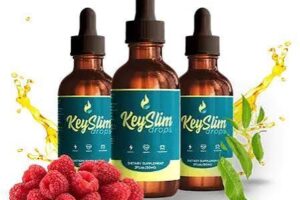
Keyslim Drops Review :You have probably seen the ads. A sleek dropper bottle promising fast absorption, appetite control, boosted metabolism, and steady fat burning—all without extreme diets or exhausting workouts. If you have struggled with stubborn weight, constant cravings, or that afternoon energy crash that makes you reach for another coffee or snack, the promise sounds incredibly appealing.
Enter KeySlim Drops.
This liquid weight management supplement has been generating significant buzz in 2026. Positioned as a natural alternative to bulky pills and capsules, it claims to support metabolism, curb cravings, and promote steady fat burning through a fast-absorbing liquid formula.
But does KeySlim Drops actually work? And more importantly, is it safe? This review examines the ingredients, how it claims to work, what real users are reporting, and what you need to know before making a purchase.
What Is KeySlim Drops?
KeySlim Drops is a liquid dietary supplement designed to support healthy weight management. Unlike traditional capsules that must be broken down in the digestive tract, KeySlim Drops uses a liquid delivery system that is designed for easy daily use and potentially faster absorption.
The product comes in a convenient bottle with a dropper. One bottle is typically a 30-day supply. You take the drops sublingually (under the tongue) or mix them with water, tea, or your favorite drink.
According to the manufacturer, KeySlim Drops is marketed as:
Non-GMO
Vegan-friendly
Gluten-free
Made in GMP-certified, FDA-registered facilities in the USA
Free from chemical fillers and additives
The product is positioned as a natural option for adults who want to curb cravings and emotional eating, rev up metabolism for better fat burning, feel more energized throughout the day, and support overall wellness without harsh stimulants.
KeySlim Drops has emerged in 2025-2026 as a liquid multi‑ingredient formula positioned to support appetite control, metabolic efficiency, and long-term fat reduction.
How Does KeySlim Drops Work?
According to promotional materials, KeySlim Drops supports weight management through multiple pathways.
Appetite Suppression Support: The supplement contains ingredients commonly used to help reduce cravings and support appetite regulation. This may help users consume fewer calories throughout the day.
Metabolic Support: The formula includes ingredients that may help support healthy metabolic activity. A properly functioning metabolism is important for converting food into usable energy.
Energy Enhancement: Several ingredients are associated with increased energy levels, which may encourage physical activity and improve motivation.
Blood Sugar Support: Some compounds included in the formula may help support healthy blood sugar levels, potentially reducing sudden hunger spikes and energy crashes.
The formula is organized into a three-stage approach: first support appetite, then support metabolism, then support longer-term consistency. Whether a person experiences those “stages” distinctly will depend on individual outcomes, sleep quality, eating patterns, activity, and tolerance.
The supplement also works by promoting better nutrient absorption, supporting metabolic functions, and enhancing energy production. As you use KeySlim Drops over 60-90 days, you may start to notice gradual changes in appetite regulation and overall well-being.
KeySlim Drops boasts a mix of around 24 natural ingredients, including amino acids, plant extracts, minerals, and herbs. The formula is marketed as vegan, gluten-free, and non-GMO.
The ingredient list is organized into three stages plus an “extra bonus” cluster. Here is a breakdown of the standout ingredients based on available information.
Stage 1: Appetite and Craving Support
These ingredients are generally positioned to help reduce cravings, support appetite control, and improve the “stick‑with‑it” side of a wellness routine.
L-Ornithine: An amino acid that may support metabolic function
Chromium Picolinate: Supports healthy blood sugar levels, which can help prevent energy crashes and overeating
Eleuthero: An adaptogen that may support stress management and energy
Gymnema Sylvestre: Known as the “sugar destroyer” in traditional medicine—may reduce sweet cravings
GABA: A neurotransmitter that may support relaxation and stress reduction
Stage 2: Metabolism and Fat-Focused Support
This cluster is positioned to support metabolism, metabolic efficiency, and energy.
Green Tea Extract: Packed with antioxidants and EGCG, which may gently boost calorie burning and provide a mild energy lift without jitters
L-Carnitine: Helps transport fat into cells to be burned for energy. Popular for supporting metabolism and reducing fatigue
African Mango Extract: Often linked to appetite suppression and better blood sugar control
Garcinia Cambogia: Contains hydroxycitric acid (HCA), which has been shown to inhibit a fat-producing enzyme in the body called citrate lyase
Forskolin: Derived from the Coleus forskohlii plant, works by increasing levels of cyclic AMP (cAMP) in cells, which is known to stimulate the breakdown of stored fats
Stage 3: Long-Term Wellness Support
Maca Root: An adaptogen that may improve energy, mood, and hormone balance
Panax Ginseng: For overall vitality and stress reduction, which indirectly helps with weight management (stress eating is real)
Raspberry Ketones: Claimed to support fat breakdown
B Vitamins (B6, B12): Essential for energy metabolism—help convert the food we eat into usable energy
Apple Cider Vinegar: May help regulate blood sugar levels, improve digestion, and enhance feelings of fullness
Dandelion Root and Ginger: Supportive roles in digestion and metabolic health; may improve digestion and reduce bloating
A Note on Ingredient Transparency
As with many proprietary supplement blends, precise dosages are not fully disclosed. This is common practice in the supplement industry. While the individual ingredients have research backing, the exact combination and amounts remain proprietary to the manufacturer.
Potential Benefits: What Users Report
Based on ingredient research and customer feedback, consistent use of KeySlim Drops may offer several benefits:
Reduced cravings – Users report fewer urges for unhealthy snacking and better appetite control
Enhanced energy levels – Users often say they feel more energetic after taking KeySlim Drops
Gradual weight management support – The supplement is designed for cumulative, gradual support rather than immediate results
Appetite regulation – Users may notice changes in appetite regulation over 60-90 days of consistent use
Better overall well-being – Some users report feeling more balanced and in control
Most users report that results are cumulative and build over time. The supplement is designed to work gradually, not as an instant fix.
KeySlim Drops Pricing
KeySlim Drops is sold through various online channels. Current pricing information is structured as follows:
Package
Price (Approx.)
Single bottle
Varies
Multi-bottle bundles
Discounted pricing available
Note: Pricing varies depending on the seller and package. Always check current pricing on the official website before purchasing.
All purchases are typically backed by a 60-day money-back guarantee.
Side Effects and Safety
KeySlim Drops is formulated with natural ingredients and is generally considered safe for most healthy adults when used as directed. It is made in GMP-certified, FDA-registered facilities in the USA.
However, as with any dietary supplement, individual reactions can vary.
Potential considerations:
Mild digestive adjustment – Some users may experience slight stomach discomfort during the first few days
Caffeine sensitivity – Green tea extract contains natural caffeine, which may affect individuals sensitive to stimulants
Medication interactions – Botanical ingredients may interact with prescription medicines. Consult your healthcare provider before use
Who should consult a doctor first:
Pregnant or breastfeeding women
Individuals on prescription medications
Anyone with known medical conditions
Important note: The ingredient selection aligns with current research directions in weight management. KeySlim Drops may offer practical advantages—particularly for individuals preferring liquid delivery systems—though outcomes are expected to vary based on individual factors.
Real Customer Reviews: What Users Are Saying
Customer feedback on KeySlim Drops is mixed, which is common in the weight management supplement category.
Positive Experiences:
Some users report meaningful results. One user shared: “After using them for a month, it made it much easier to stick to my diet. What I really loved was that I didn’t experience any jitters or discomfort—just smooth, steady progress. I lost 5kg while combining it with regular workouts and a balanced diet.”
Another user reported: “4 weeks, waist -3cm, weight -1.6kg.”
Mixed and Critical Feedback:
However, not all experiences are positive. One reviewer noted: “I have been using KeySlim for a last few days, but have not noticed much change yet. Hoping it works better with more time.”
Key theme: A recurring theme in reviews is the importance of consistency and realistic expectations. No supplement can work magic—KeySlim Drops can support fat loss by boosting metabolism and reducing cravings, but they do not replace the work required to burn calories.
Authenticity and Safety: What to Watch For
As with any popular supplement, there are important considerations to keep in mind.
1. Buy from Trusted Sources
Security analysts have identified multiple websites using similar names to the legitimate product. These sites often sell counterfeit products or take money without shipping anything.
The rule is simple: Only buy from trusted, verified sources. If you land on a page with a slightly different spelling or an unusual domain extension, exercise caution and verify the seller’s legitimacy.
2. Look for Authenticity Indicators
The official product is manufactured in GMP-certified, FDA-registered facilities in the USA. Verify that the product you receive matches the official description and packaging.
3. Be Skeptical of “Too Good to Be True” Claims
No supplement can replace healthy eating and regular exercise. Be wary of any product that promises rapid, effortless weight loss without lifestyle changes.
4. Consult Your Doctor
Always consult a healthcare professional before starting any new supplement, especially if you have existing health conditions or take prescription medications.
Final Verdict: Is KeySlim Drops Worth It?
KeySlim Drops contains a thoughtfully selected blend of natural ingredients—including green tea extract, L-carnitine, African mango, Gymnema Sylvestre, and chromium—that individually have some research backing for metabolism and appetite control. The liquid delivery system is a genuine point of differentiation from traditional capsules, potentially offering faster absorption.
The Good:
Made with natural, plant-based ingredients
Non-GMO, vegan-friendly, and gluten-free
Manufactured in GMP-certified, FDA-registered facilities in the USA
Fast-absorbing liquid format—easy for people who dislike pills
60-day money-back guarantee provides some financial protection
Positive customer feedback from some users
The Caveats:
The finished formula has not been tested in independent clinical trials
Precise ingredient dosages are not fully disclosed
Results vary significantly between individuals and require consistency
Mixed customer reviews—some users report no noticeable change
Bottom line: KeySlim Drops is a legitimate dietary supplement that contains ingredients commonly found in weight management products. The formula offers a comprehensive approach to weight management that addresses multiple physiological pathways through plant-based ingredients. If you decide to try KeySlim Drops, buy from trusted sources, start with a smaller package, consult your doctor first, and be realistic about results—they are likely to be gradual and cumulative, not immediate.
Frequently Asked Questions
Is KeySlim Drops a scam? No, the legitimate product does not appear to be a scam. However, as with any popular product, there are copycat websites and unauthorized sellers. Buy only from trusted, verified sources.
What are the main ingredients in KeySlim Drops? The formula includes approximately 24 ingredients, including L-Carnitine, Green Tea Extract, African Mango, Gymnema Sylvestre, Chromium Picolinate, Maca Root, Panax Ginseng, Garcinia Cambogia, and B Vitamins.
How long does it take to see results? Results vary between individuals. Some users report noticing improvements within a few weeks, while others may take longer. Consistency is key—the supplement is designed for cumulative, gradual support over 60-90 days.
Are there any side effects? Most users report no major side effects when used as directed. However, individuals sensitive to caffeine may experience mild jitteriness due to green tea extract. Consult a doctor if you have concerns.
What is the refund policy? KeySlim Drops comes with a 60-day money-back guarantee.
Where can I buy KeySlim Drops? KeySlim Drops is sold through various online channels. The product is primarily available through the official website to avoid counterfeits that pop up on other platforms.
Is KeySlim Drops FDA-approved? No. KeySlim Drops is a dietary supplement, and dietary supplements are not approved by the FDA. The product is manufactured in an FDA-registered facility, which is not the same as FDA approval.
Final Thoughts
If you are struggling with slow metabolism, frequent cravings, or low daily energy and have already consulted your doctor, KeySlim Drops may be worth exploring within the safety net of the 60-day money-back guarantee. Start with a smaller package before committing to a larger bundle. And above all: buy only from trusted sources to avoid counterfeit products.
Venus Factor Plus Review :Trying to lose weight can feel like a waste of time when nothing lasts. You may eat less. You may try to stay active. You may even cut out foods you enjoy. But the belly, hip, and thigh fat may still remain. The cravings may come back. Your energy may feel low. The weight may return after all your effort.
If this sounds familiar, you are not alone. Millions of women struggle with stubborn weight that doesn’t respond to diet and exercise alone—especially as hormonal changes, stress, and aging disrupt the body’s natural metabolic signals.
Enter Venus Factor Plus.
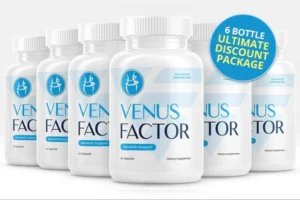
This metabolic support supplement has been generating significant conversation in 2026 as more women search for natural, non-prescription options for weight management. Positioned as a women-focused formula that targets leptin—the body’s primary fat-burning hormone—Venus Factor Plus aims to address the root causes of stubborn weight, cravings, and low energy.
But does it live up to the hype? This review examines Venus Factor Plus’s ingredients, how it claims to work, what real users are reporting, and whether it is worth your money.
What Is Venus Factor Plus?
Venus Factor Plus is a metabolic support supplement made specifically for women. It is designed for those who struggle with stubborn weight, cravings, low energy, and weight that keeps coming back.
The product focuses on leptin support. According to the brand, leptin is the body’s number one fat-burning hormone. Venus Factor Plus is made to support healthy leptin output, sensitivity, and signal strength. The goal is simple: to help the body support natural fat burning, appetite control, and a healthy metabolism.
The supplement is presented as a daily option for women who want extra support with weight that keeps coming back, particularly those over 30 or 35 who experience slow metabolism, low energy, frequent cravings, or difficulty losing weight despite diet and exercise.
Important distinction: Venus Factor Plus is a dietary supplement, not a medication. It is not regulated as a medicine and should not be compared to prescription weight-loss drugs like GLP-1 agonists (such as semaglutide or tirzepatide).
How Does Venus Factor Plus Work?
The science behind Venus Factor Plus is based on how the body regulates fat storage and energy through hormonal signals—especially a hormone called leptin.
Understanding Leptin
Leptin acts like a messenger that tells your brain when you’ve had enough food and when it’s time to burn stored fat for energy. When it is working properly, it tells your brain that you are full, keeps your metabolism running at a healthy rate, and directs your body to burn stored fat for energy.
However, factors like aging, stress, poor sleep, and long-term dieting can disrupt this signaling system, leading to leptin resistance. When this happens, the body may continue to store fat even when you are eating less or exercising regularly, making weight loss feel difficult and frustrating.
Here is the part that makes this especially frustrating for women: research suggests that women naturally produce twice as much leptin as men but are also significantly more resistant to its effects. This means the very hormone that should be your greatest fat-burning asset can become the biggest thing working against you.
What Venus Factor Plus Aims to Do
Venus Factor Plus is designed to support the body’s natural leptin response and help restore better communication between fat cells and the brain. By supporting metabolic balance and reducing internal stress on the system, the supplement may help shift the body toward a more active fat-burning state.
This can lead to benefits like improved energy, reduced cravings, and more consistent weight management over time when combined with a healthy lifestyle.
Venus Factor Plus Ingredients Breakdown
Venus Factor Plus contains a blend of plant-based, non-GMO, vegetarian ingredients that are chosen to support metabolism, hormonal balance, and natural fat-burning functions.
Based on multiple sources, the key ingredients include:
Ingredient
Primary Role
Genistein
A plant-derived isoflavone that may support healthy hormone balance and metabolic function
Arctic Lingonberry
A Nordic berry rich in antioxidants that may support metabolic health and fat burning
Himalayan Turmeric
Supports healthy inflammation response and overall metabolic wellness
Camellia Sinensis (Green Tea Extract)
The source of green tea extract, which contains compounds that may support calorie burning and energy expenditure
A Note on Ingredient Transparency: As with any supplement, the only reliable source for the full, up-to-date list of Venus Factor Plus ingredients is the product label or the official product page. Manufacturers should list active and inactive ingredients, typical serving sizes, and any allergen information.
Brand Highlights and Manufacturing Standards
Venus Factor Plus is manufactured in the USA in an FDA-registered, GMP-certified facility. Ingredients undergo third-party testing for purity and potency.
Key brand details:
Focuses on women’s weight management support and body confidence
Provides a 60-day 100% money-back guarantee for customer protection
Offers one-time payment with no auto-ship plans or hidden charges
Uses secure checkout for customers who place orders online
Ships U.S. orders within 7 to 10 business days
U.S. orders are shipped out the same day they are received
Includes access to the Venus Factor Body Sculpting Program
Pros:
Made for women who want a simple supplement option
Uses plant-based, non-GMO, vegetarian ingredients
Manufactured in the USA
Made in an FDA-registered facility
Produced in a GMP-certified facility
Ingredients undergo third-party testing for purity and potency
Comes in capsule form for easy daily use
Cons:
Only available through the official order page
International delivery may take longer than U.S. delivery
Potential Benefits: What Users Report
Based on ingredient research and customer feedback, consistent use of Venus Factor Plus may offer several benefits:
Reduced cravings – Users report fewer urges for unhealthy snacking and better appetite control
Support for stubborn fat loss – The formula may help target fat in stubborn areas like the belly, hips, and thighs
Boosted energy levels – Many users experience more consistent daily energy
Improved metabolism – The formula may help the body burn calories more efficiently
Enhanced overall wellness – Some users report feeling more balanced and in control
Most users report that results are cumulative and build over time. The supplement is designed to work gradually, not as an instant fix.
Venus Factor Plus Pricing
Venus Factor Plus is sold through the official website. Current pricing is structured as follows:
Package
Price Per Bottle
Total Price
2 Bottles
$79
$158 (+ shipping)
3 Bottles
$69
$207 (+ shipping)
6 Bottles
$49
$294 (FREE shipping, best value)
All purchases are backed by a 60-day 100% money-back guarantee. The brand offers one-time payment with no auto-ship plans or hidden charges.
Side Effects and Safety
Venus Factor Plus is formulated with plant-based, non-GMO, vegetarian ingredients and is manufactured in an FDA-registered, GMP-certified facility. Most users report no major side effects when used as directed.
However, as with any dietary supplement, individual reactions can vary.
Potential considerations:
Mild digestive adjustment – Some users may experience slight stomach discomfort during the first few days
Caffeine sensitivity – Camellia Sinensis (green tea extract) contains natural caffeine, which may affect individuals sensitive to stimulants
Medication interactions – Botanical ingredients may interact with prescription medicines. Consult your healthcare provider before use
Who should consult a doctor first:
Pregnant or breastfeeding women
Individuals on prescription medications
Anyone with known medical conditions
Important regulatory note: In the UK and many other countries, food supplements are regulated as foods, not medicines. Makers cannot legally market a supplement as a treatment, cure, or prevention for disease.
Real Customer Reviews: What Users Are Saying
Customer feedback on Venus Factor Plus is generally positive. According to one analysis, Venus Factor Supplement has consistently received high praise from users, earning an impressive average rating of 4.91 out of 5 for its effectiveness and reliability.
Positive Experiences
One user noted: “My main takeaway is that consistency is the part that actually matters. I wasn’t sure what to expect at the start, and to be honest I’m still cautious about strong claims. What I can say is that the habit is easy to keep, which is often the first reason wellness products fail”.
Another user shared: “I have been using it for a few weeks and already notice the difference. The urges aren’t the same; I don’t feel the need to snack all day like I used to.”
Mixed and Critical Feedback
Some users note that results take time and require consistency. As one reviewer observed, “consistency is the part that actually matters”.
Like most supplements, Venus Factor Plus does not guarantee dramatic or instant weight loss, and results depend on individual lifestyle and consistency of use.
Scam Warnings and Red Flags: What You Need to Know
Before you buy Venus Factor Plus, there are several important considerations:
1. The Supplement Appears Legitimate
According to multiple sources, Venus Factor Supplement is considered a legitimate product. It is presented as a structured dietary supplement designed to support women’s metabolism and fat-burning processes.
The rule is simple: Venus Factor Plus is available only through the official order page. If you land on a page with a slightly different URL or unusual domain extension, you are at risk of being scammed.
3. Differentiate Between the Supplement and the Program
Some older criticisms of Venus Factor relate to the broader program (which includes meal plans and workout guides), not the supplement itself. When researching reviews, check whether the feedback refers to the supplement or the program.
4. No Independent Clinical Trials on the Finished Formula
While individual ingredients like green tea extract have some research backing, Venus Factor Plus itself has not been tested in peer-reviewed clinical studies as a finished product. Claims are based on ingredient science and customer testimonials.
5. Results Require Consistency and Realistic Expectations
Venus Factor Plus is not a magic solution. Results take time and work best alongside a healthy diet and exercise routine. Users expecting immediate, dramatic results may be disappointed.
Venus Factor Plus vs. GLP-1 Medications
It’s important to distinguish Venus Factor Plus from prescription weight-loss medications:
Venus Factor Plus
GLP-1 Medications
Regulation
Supplement, not regulated as a medicine
Licensed medicines with regulatory oversight
Evidence base
Limited clinical evidence
Robust clinical trial data
Access
Available without prescription
Requires prescription and medical monitoring
Side effects
Minimal
Known side effects requiring monitoring
Venus Factor Plus is a supplement marketed as supporting weight-management goals, appetite control, or metabolic function. Such statements are promotional and not the same as licensed medical indications.
Final Verdict: Is Venus Factor Plus Worth It?
Venus Factor Plus is a legitimate, well-formulated metabolic support supplement for women seeking natural support for weight management, cravings, and energy.
The Good:
Made with plant-based, non-GMO, vegetarian ingredients
Manufactured in the USA in an FDA-registered, GMP-certified facility
Ingredients undergo third-party testing for purity and potency
Positive customer feedback with a 4.91/5 average rating
Includes access to the Venus Factor Body Sculpting Program
The Caveats:
The finished formula has not been tested in independent clinical trials
Results vary significantly between individuals and require consistency
Only available through the official order page—beware of copycat sites
International delivery may take longer than U.S. delivery
Bottom line: Venus Factor Plus may offer the gentle, cumulative support needed to feel more balanced and in control for women dealing with stubborn weight, low energy, or frequent cravings. It is not a miracle cure and works best alongside healthy lifestyle habits. If you decide to try it, buy exclusively from the official website, start with a smaller package, and be patient—results typically take time.
Frequently Asked Questions
Is Venus Factor Plus a scam? No, the legitimate supplement does not appear to be a scam. It is a structured dietary supplement manufactured in an FDA-registered, GMP-certified facility. However, unofficial sellers and copycat websites exist, so buy only from the official order page.
What are the main ingredients in Venus Factor Plus? The formula includes Genistein, Arctic Lingonberry, Himalayan Turmeric, and Camellia Sinensis (green tea extract).
How long does it take to see results? Results vary between individuals. Some users report noticing improvements within a few weeks, while others may take longer. Consistency is key—the supplement is designed for cumulative, gradual support.
Are there any side effects? Most users report no major side effects when used as directed. However, individuals sensitive to caffeine may experience mild jitteriness due to green tea extract. Consult a doctor if you have concerns.
What is the refund policy? Venus Factor Plus comes with a 60-day 100% money-back guarantee.
Where can I buy Venus Factor Plus? Venus Factor Plus is available only through the official order page. Beware of copycat websites with misspelled names or unusual extensions.
Is Venus Factor Plus FDA-approved? No. Venus Factor Plus is a dietary supplement, and dietary supplements are not approved by the FDA. The product is manufactured in an FDA-registered facility, which is not the same as FDA approval.
Final Thoughts
If you are a woman struggling with stubborn weight, low energy, or frequent cravings and have already consulted your doctor, Venus Factor Plus may be worth trying within the safety net of the 60-day money-back guarantee. Start with a smaller package before committing to a larger bundle. And above all: buy only from the official website to avoid counterfeit products.
Peptides for Weight Loss :if you’ve been following health trends lately, you’ve likely heard the buzz around peptides for weight loss. From social media to wellness clinics, peptides are being called a “game-changer” for shedding stubborn pounds. But what exactly are they, and do they really work?
Here’s what the evidence actually shows.
What Are Peptides?
Peptides are short chains of amino acids—the building blocks of proteins. Think of them as smaller, more easily absorbed fragments of protein that can influence specific biological processes in the body.
Unlike whole proteins that must be broken down during digestion, peptides can be absorbed more quickly and act as signaling molecules. Some peptides can stimulate the release of human growth hormone (HGH), while others work by mimicking hormones that regulate appetite and metabolism.
This is why peptide-based therapies have attracted attention in the weight loss space—they work with your body’s natural systems rather than forcing them.
How Do Peptides Work for Weight Loss?
The primary mechanism through which peptides support weight loss is appetite regulation.
Certain peptides—particularly GLP-1 receptor agonists like semaglutide and tirzepatide—work by mimicking a natural hormone in your gut that signals fullness to your brain. In simple terms, they help the brain receive the signal that you’re full, reducing appetite and calorie intake over time.
Other peptides may support fat loss by improving insulin sensitivity, reducing inflammation, and promoting muscle preservation, which in turn supports a healthier metabolism.
It’s important to understand that weight-loss peptides are not fat burners in the gym-supplement sense. They are not stimulants that rev up your metabolism like caffeine or thermogenic compounds. They work through hormonal pathways to help you eat less and process food more efficiently.
These are the most well-known and clinically studied weight-loss peptides. Semaglutide (the active ingredient in Ozempic and Wegovy) has shown impressive results: a 2021 NEJM trial found that adults lost an average of nearly 15% of their body weight over 68 weeks.
Tirzepatide targets three separate hormone receptors, and phase 2 trial data showed up to 24% body weight reduction in 48 weeks.
However, these are regulated medicines—not over-the-counter supplements. They require a prescription and medical supervision.
Pea Protein Hydrolysates
Emerging research suggests that plant-based protein hydrolysates may also support weight management. A 2025 randomized controlled trial investigated whether pea protein hydrolysates (PPHs) with varying bitterness and degrees of hydrolysis affect satiety in healthy male participants.
While the evidence is still developing, plant-based peptides are being explored as a potential tool for obesity management.
Korglutide
A peptide called Korglutide has recently been approved as a health supplement in India. In a 12-week clinical trial involving 100 adult obese patients, participants achieved an average weight reduction of 10.78% (about 9.3 kg) and a BMI reduction of 10.83%.
Collagen Peptides
Collagen peptides have also shown promise for weight management. A randomized, double-blind, placebo-controlled trial found that collagen peptide supplementation for 12 weeks had a beneficial effect on body fat reduction in older adults aged 50 and older with regular physical activity.
Research suggests that collagen peptides may support anti-obesity effects by improving gut microbiota and reducing inflammation.
What the Research Shows
Significant Weight Loss Is Possible
Clinical trials consistently show that GLP-1 peptides produce substantial weight loss in the right patients. The results are not modest—they can be transformative.
However, these results are from prescription medications, not over-the-counter supplements. The distinction matters.
The Supplement Caveat
While some peptide-based supplements are marketed for weight loss, there is limited independent evidence for most finished products. The research that exists primarily focuses on individual ingredients—not specific supplement formulas.
One user testimonial noted that a significant number of testimonials report gradual, consistent weight loss, with figures ranging from 5 to 15 pounds in the first month. However, users who expected rapid or dramatic results often reported no change in weight, appetite, or energy levels.
Risks and Side Effects
Prescription Peptides
GLP-1 medications are associated with significant side effects, including nausea, vomiting, diarrhea, and constipation. There are also concerns about muscle loss and the high cost of treatment.
Supplement Peptides
The safety of over-the-counter peptide supplements is less well-established. While many are marketed as natural and safe, the lack of regulation means quality and purity can vary significantly.
One medical professional noted: “I won’t say I’ve seen negative effect, but I haven’t seen people say, I’ve taken this and I’ve had significant weight loss that I’ve been able to maintain.”
What to Watch Out For
1. Prescription vs. Supplement
There is a critical distinction between regulated medicines (semaglutide, tirzepatide) and over-the-counter peptide supplements. The former have strong clinical evidence; the latter generally do not.
2. No Miracle Cure
Peptides are not a magic solution. They work best when combined with a healthy diet, regular exercise, and lifestyle changes.
3. Cost
Prescription peptides can be expensive, and many insurance plans do not cover them for weight loss alone.
4. Quality Concerns
The supplement market is largely unregulated. Always purchase from reputable sources and check for third-party testing.
Should You Try Peptides for Weight Loss?
Consider prescription peptides if:
You have a BMI over 30, or over 27 with weight-related health conditions
You’ve tried diet and exercise without sustainable results
You’ve consulted with a qualified healthcare provider who can prescribe and monitor treatment
Consider peptide supplements with caution if:
You understand the limitations of over-the-counter products
You have realistic expectations about results
You’ve done thorough research on the specific product and manufacturer
Proceed with caution if:
You’re expecting dramatic, rapid results without effort
You’re not willing to combine supplementation with diet and exercise
You have underlying health conditions without consulting a doctor first
The Bottom Line
Peptides represent a promising frontier in weight management, with GLP-1 receptor agonists showing remarkable results in clinical trials. However, the distinction between prescription medications and over-the-counter supplements is critical.
If you’re considering peptides for weight loss, the safest and most evidence-based approach is to consult with a healthcare provider who can evaluate your individual situation and prescribe appropriate treatment if indicated.
For those considering over-the-counter peptide supplements, approach with realistic expectations. The research on finished products is limited, and results vary significantly from person to person. As with any supplement, do your research, verify the manufacturer, and consult your doctor before starting.
Disclaimer: This article is for informational purposes only and does not constitute medical advice. Peptides for weight loss may be prescription medications or dietary supplements. Always consult a qualified healthcare professional before starting any new treatment or supplement regimen. Individual results may vary.
Helene Sula Weight Loss :This article explores the inspiring weight loss journey of travel blogger Helene Sula, who lost 50 pounds (23 kg) in one year while continuing to travel the world. It breaks down her five key strategies: tracking meals with MyFitnessPal, balancing treats with mindful portions, walking 10,000 steps daily, choosing filling foods over calorie-dense options, and allowing occasional indulgences. The piece also covers her background, the emotional transformation she experienced, and practical takeaways for readers.
Imagine trying to lose weight while your job requires you to sample gelato in Italy, baklava in Turkey, and fresh pasta in Germany—every single week.
For most people, that sounds impossible. For Helene Sula, it was simply Tuesday.
Sula, a 38-year-old travel content creator who has visited over 60 countries and hundreds of cities worldwide, managed to lose 50 pounds (23 kilograms) in just one year. And she did it without giving up the foods she loves or the lifestyle that defines her career.
Her secret? Not deprivation. Not extreme diets. Just a series of small, sustainable changes that added up to a life-altering transformation.
This is her story—and the five strategies that made it possible.
The Wake-Up Call: From Heidelberg to Dallas
Sula’s weight struggles didn’t start overnight. She had always experienced fluctuations, but the real shift happened when she moved back to the United States after living in Heidelberg, Germany, for three years.
” I’ve always fluctuated, but I especially gained a ton of weight when I moved back to America,” Sula told Business Insider.
The change in environment, combined with a lifestyle that revolved around exploring new cuisines, took a toll. Food had always been more than fuel for Sula—it was part of the cultural experience. And as a travel blogger, saying no to local specialties simply wasn’t an option.
But the weight gain pushed her to reflect deeply on her relationship with food, exercise, and travel. She realized something had to change—not just for her appearance, but for her confidence and well-being.
The Transformation: 50 Pounds Lost, Confidence Regained
Over the course of one year, Sula lost 50 pounds through consistent exercise and a revamped approach to eating. But the numbers on the scale tell only part of the story.
“I am a very positive and outgoing person, but I think over the years, that has gone away a bit because I’ve been embarrassed,” she said. ” I feel like I’ve finally gotten back to myself. It’s been really nice”.
The weight loss wasn’t just physical—it was emotional and psychological. Sula describes it as reclaiming the person she used to be.
Now living in Montenegro, she continues to travel extensively while maintaining her new habits. And she’s proving that you don’t have to choose between exploring the world and taking care of your health.
The 5 Strategies Behind Her Success
Sula shared five specific strategies that helped her lose weight and keep it off—even with the occasional indulgence.
1. Track Meals with MyFitnessPal
Before her transformation, Sula ate fast food regularly and paid little attention to portion sizes.
” I’d eat a spoonful of peanut butter, and snacks like popcorn and chips straight out of the bag,” she said. ” I would never be mindful of how much I was eating or the portions.”
That changed when she started using the meal-tracking app MyFitnessPal. She tracks breakfast first thing in the morning and logs lunch and dinner later in the day.
” I don’t try to be perfect with it—it’s just a good tool to make sure that I’m staying on track,” she added.
The app helped her realize a crucial insight: “I thought I was eating healthy, but I was overeating”.
2. Balance Treats with Mindful Portions
Sula rarely stays in a city for more than a week. Yet no matter where she is, she maintains a well-balanced diet without depriving herself.
The key? Portion control.
“Now, instead of having three scoops of gelato, I have one,” she said.
She applies this principle everywhere—even in food destinations like Turkey, where she admits the food is “absolutely amazing”. She still watches her portions and balances indulgences with healthier choices.
Her mindset shift was simple but powerful: “I can try the food—I just don’t need to eat all of it right then and there”.
3. Walk and Hike Daily
Sula lost most of her weight through low-impact, sustainable exercise: walking and hiking.
Unlike intense gym workouts that can feel daunting or unsustainable, walking is accessible, enjoyable, and easy to incorporate into a travel lifestyle. Whether she’s exploring a new city or hiking through nature, Sula stays active without forcing herself into rigid workout routines.
For those looking to follow her example, starting with 10,000 steps a day is a practical, achievable goal.
4. Choose Filling, Satisfying Foods
Sula focuses on eating foods that keep her full and satisfied rather than calorie-dense options that leave her hungry.
This strategy works hand-in-hand with portion control. By choosing nutrient-dense, filling foods—lean proteins, vegetables, whole grains—she can eat satisfying meals without consuming excessive calories.
The result? She doesn’t feel deprived, which makes her new eating habits sustainable long-term.
5. Allow Occasional Indulgences
Perhaps the most important lesson from Sula’s journey is that perfection isn’t the goal.
She doesn’t turn down food when traveling. She enjoys local specialties, tries new dishes, and allows herself treats. The difference is that she balances those indulgences with mindful choices throughout the rest of the day.
This flexible approach prevents the all-or-nothing mentality that derails so many weight loss attempts. By allowing occasional indulgences, Sula avoids feelings of deprivation and stays on track long-term.
What Makes Her Approach Different
Sula’s weight loss journey stands out for several reasons:
It’s travel-friendly. Most weight loss advice assumes you have control over your environment—your kitchen, your grocery store, your daily routine. Sula proved that you can lose weight even when every meal is in a restaurant and every day brings a new city.
It’s sustainable. She didn’t follow a restrictive diet or cut out entire food groups. She made small, consistent changes that she could maintain indefinitely.
It prioritizes mindset over rules. Her transformation started with a mental shift: reframing her relationship with food from “all or nothing” to “enjoy, but in moderation.”
It’s realistic. She uses tools like MyFitnessPal, walks instead of doing punishing workouts, and allows herself treats. These are strategies anyone can adopt.
Practical Takeaways for Your Own Journey
If Sula’s story inspires you, here are actionable steps you can take:
Start tracking your meals. Even a few days of logging your food can reveal surprising patterns about portion sizes and calorie intake.
Practice portion control. You don’t have to give up your favorite foods—just eat less of them.
Walk more. Aim for 10,000 steps a day. It’s simple, free, and effective.
Choose filling foods. Prioritize protein, fiber, and vegetables to stay satisfied with fewer calories.
Allow flexibility. Occasional treats are not failures—they’re part of a balanced approach.
Be patient. Sula’s transformation took a full year. Sustainable weight loss doesn’t happen overnight.
8. Conclusion
Helene Sula’s weight loss journey is proof that you don’t have to choose between living your life and taking care of your health. She lost 50 pounds in one year while continuing to travel the world, sample local cuisines, and embrace the adventure that defines her career.
Her approach wasn’t about extreme diets or punishing workouts. It was about small, consistent changes: tracking meals, controlling portions, walking daily, choosing filling foods, and allowing occasional indulgences.
More importantly, her transformation wasn’t just physical. She regained the confidence and self-assurance she had lost over the years of feeling embarrassed about her weight.
“I feel like I’ve finally gotten back to myself. It’s been really nice,” she said.
Her story offers a powerful reminder: sustainable weight loss is possible, even in the most challenging circumstances. You just need the right strategies—and the willingness to start.
9. FAQ Section
How much weight did Helene Sula lose? Helene Sula lost 50 pounds (approximately 23 kilograms) over the course of one year, starting in May 2024.
How did Helene Sula lose weight while traveling? She used five main strategies: tracking meals with MyFitnessPal, balancing treats with mindful portion control, walking and hiking daily, choosing filling foods over calorie-dense options, and allowing occasional indulgences without guilt.
What app did Helene Sula use to track her meals? She used MyFitnessPal, a free meal-tracking app available on iOS and Android.
Did Helene Sula give up her favorite foods? No. She still enjoys local foods while traveling but practices portion control—for example, having one scoop of gelato instead of three.
What kind of exercise did Helene Sula do? She lost most of her weight through walking and hiking, which are low-impact, sustainable forms of exercise.
How long did it take Helene Sula to lose 50 pounds? It took her approximately one year, from May 2024 to May 2025.
Is Helene Sula a fitness influencer? No, she is a travel content creator who has visited over 60 countries and hundreds of cities worldwide. Her weight loss journey was a personal transformation she shared publicly.
Can I lose weight while traveling using her methods? Yes. Her strategies—portion control, meal tracking, walking, and balanced eating—are adaptable to any lifestyle, including frequent travel.
10. CTA
Inspired by Helene Sula’s journey? Start small today: download a meal-tracking app, commit to a 20-minute walk, or simply pay attention to your portions at your next meal. Sustainable change begins with a single step—just like Sula’s did.
If you have been searching for a natural, science-backed way to support your metabolism and manage your weight, you have likely come across CitrusBurn. This metabolism-support supplement has been gaining serious traction in the wellness community throughout 2025 and 2026, and for good reason.
CitrusBurn is a dietary supplement designed to help the body burn fat more efficiently by working with its natural metabolic processes. Unlike the aggressive fat burners that flood the market with synthetic stimulants and harsh chemicals, CitrusBurn takes a different approach. It is built around a plant-based, citrus-derived formula that targets the root cause of slow metabolism — a concept increasingly supported by nutritional science.
Rather than promising overnight transformations, CitrusBurn positions itself as a gradual, sustainable metabolic support tool. It is intended for adults who feel that their metabolism has slowed with age, who struggle with persistent cravings, or who experience low energy despite maintaining a reasonably healthy lifestyle. If that sounds familiar, this article will walk you through everything you need to know before deciding if CitrusBurn is right for you.
How Does CitrusBurn Work?
To understand what makes CitrusBurn different, you first need to understand thermogenesis — the physiological process at the heart of the supplement’s mechanism.
Thermogenesis is the body’s internal process of generating heat by burning calories. When this process is functioning optimally, your body converts stored fat into usable energy throughout the day, even during periods of rest. However, as people age or as lifestyle habits shift, thermogenic activity can become sluggish. The result? A slower metabolism, more stubborn fat, and less energy.
CitrusBurn is formulated to help restore and support thermogenic activity using citrus peel-derived compounds and complementary botanical ingredients. Rather than forcing the body into overdrive with stimulants, it aims to recondition metabolic signaling pathways — essentially helping the metabolism respond more effectively again.
The formula follows a multi-ingredient approach, recognizing that metabolism is a complex system influenced by multiple biochemical pathways. By targeting thermogenesis, fat oxidation, appetite regulation, and energy balance simultaneously, CitrusBurn attempts to offer comprehensive metabolic support rather than a one-dimensional solution.
Key Ingredients in CitrusBurn
Understanding the ingredient profile is essential for evaluating any supplement. CitrusBurn is built on a foundation of plant-based compounds, each selected for its potential role in metabolic function.
The star ingredient of CitrusBurn is bitter orange peel, sourced from Seville oranges. The active compound derived from this ingredient is p-synephrine, a naturally occurring alkaloid that has been extensively studied for its potential thermogenic properties. Unlike ephedrine, which was banned due to cardiovascular risks, p-synephrine is considered to interact with metabolic receptors without crossing the blood-brain barrier in the same aggressive way. Research suggests it may support increased calorie expenditure and encourage the body to use stored fat as a primary fuel source.
2. Green Tea Extract (EGCG)
Green tea extract is one of the most well-researched ingredients in the weight management space. Its primary active compound, epigallocatechin gallate (EGCG), has been associated with modest increases in metabolic rate and fat oxidation. It also provides a gentle source of naturally occurring caffeine, supporting clean energy without the jittery spike-and-crash associated with high-stimulant products.
3. Spanish Red Apple Vinegar
A more traditional ingredient making a modern comeback, Spanish red apple vinegar is included for its potential role in appetite control and digestive balance. It may help promote a sense of fullness after meals, reducing the likelihood of unnecessary snacking. It also supports healthy blood sugar responses, which is important for managing energy levels and cravings throughout the day.
4. Andalusian Red Pepper (Capsaicin)
Capsaicin, the active compound found in red pepper, is known to promote thermogenesis by increasing heat production in the body following meals. This process, known as diet-induced thermogenesis, can contribute to additional calorie burning throughout the day. Red pepper extract also plays a role in fat oxidation, making it a valuable addition to a metabolic support formula.
5. Korean Red Ginseng
Korean red ginseng brings adaptogenic and energy-supporting benefits to the formula. Research suggests it may help reduce fatigue and improve perceived energy levels — an important consideration when managing body weight, since consistent physical activity is far more likely when energy reserves are adequate. Some studies also suggest ginseng may play a role in blood sugar regulation and metabolic efficiency.
6. Berberine and Apple Cider Vinegar Compounds
Certain formulations of CitrusBurn also include compounds related to berberine and apple cider vinegar, both of which have been studied for their effects on blood sugar stabilization and digestive health. These ingredients contribute to the appetite awareness and energy balance aspects of the formula.
Potential Benefits of CitrusBurn
Based on the ingredient profile and available user feedback, here are the primary benefits commonly associated with CitrusBurn:
Supports Thermogenesis and Fat Burning: The combination of p-synephrine, green tea extract, and capsaicin creates a synergistic thermogenic effect. This may help the body burn more calories throughout the day, even during low-activity periods.
Appetite Awareness and Craving Control: One of the most frequently reported benefits from CitrusBurn users is reduced snacking and better portion control. Ingredients such as apple vinegar compounds and blood sugar-stabilizing nutrients help manage the hunger signals that often derail weight management efforts.
Clean, Sustained Energy: Unlike stimulant-heavy fat burners that deliver a sharp spike followed by a crash, CitrusBurn aims to support steady, crash-free energy throughout the day. Users frequently describe improved morning alertness and fewer mid-afternoon energy slumps.
Improved Metabolic Function: By targeting multiple metabolic pathways simultaneously, CitrusBurn may help improve how efficiently the body processes nutrients and converts calories into usable energy.
Blood Sugar Stabilization: Several ingredients in CitrusBurn contribute to healthier blood sugar responses after meals, reducing the spikes and crashes that trigger cravings and fatigue.
Long-Term Metabolic Conditioning: CitrusBurn is positioned as a long-term wellness tool rather than a short-term fix. Consistent use over weeks and months, combined with healthy habits, is where the product is most likely to demonstrate meaningful results.
What Do Real Users Say? CitrusBurn Customer Reviews
Customer feedback on CitrusBurn is broad, and reviewing it honestly reveals a pattern that is consistent with what the science would predict for a metabolic support supplement.
Positive Experiences: Many users report steady, manageable energy throughout the day without the jittery or anxious feelings associated with high-stimulant products. Appetite control is frequently cited as the most noticeable early benefit, with users describing fewer cravings within the first one to two weeks of consistent use. Some users report meaningful weight changes over the course of a month or more, particularly when combining the supplement with a balanced diet and regular movement.
Neutral Responses: A portion of users describe CitrusBurn as a supportive tool rather than a standalone fat-loss solution. These users often appreciate the energy and appetite benefits but note that the physical changes are subtle and gradual. This response pattern is actually consistent with how thermogenic supplements typically perform in clinical nutrition research — the effects are real, but modest, and highly dependent on individual metabolic baseline and lifestyle habits.
Common Complaints: The most frequent criticism is that results take longer than expected. Some users hoping for rapid, dramatic weight loss within the first week or two are disappointed. However, this expectation mismatch is common across the supplement industry, and CitrusBurn’s gradual approach is arguably a sign of safety rather than ineffectiveness. A minority of users report mild digestive discomfort in the early days of use, which is often associated with ingredients like apple cider vinegar and ginger compounds.
CitrusBurn Side Effects: Is It Safe?
CitrusBurn’s safety profile is one of its more appealing attributes for cautious consumers. Because the formula avoids aggressive stimulants, the reported side effect profile differs significantly from traditional thermogenic products.
The most commonly noted side effects — mild digestive sensitivity — are linked to ingredients like apple cider vinegar, ginger, and berberine, which can sometimes cause temporary stomach discomfort when first introduced. These effects typically resolve within a few days as the body adjusts.
P-synephrine, the primary active compound from bitter orange, is considered significantly safer than its predecessor ephedrine, particularly at the doses found in a properly formulated supplement. When used as directed, it does not appear to cause the cardiovascular spikes associated with stronger stimulants.
It is worth noting that CitrusBurn is reported to be manufactured in an FDA-registered, GMP-certified facility, which provides a baseline level of quality assurance regarding ingredient purity and manufacturing standards.
Important Safety Note: As with any dietary supplement, it is strongly recommended to consult a qualified healthcare provider before starting CitrusBurn, particularly if you are pregnant, nursing, taking prescription medications, or managing any pre-existing health condition.
How to Take CitrusBurn for Best Results
Consistency is the most important factor in getting results from CitrusBurn. The supplement is designed for daily use, and most users find success taking their capsules in the morning with a large glass of water. Proper hydration supports absorption and enhances the effectiveness of the ingredients.
CitrusBurn is not intended to replace a healthy diet or regular physical activity. Instead, it is designed to work alongside these habits — amplifying the body’s natural fat-burning capacity when the right lifestyle foundation is in place.
A realistic timeline based on user reports looks something like this:
Week 1–2: Increased energy and reduced bloating are often the first noticeable changes. Appetite begins to feel more manageable.
Week 3–4: Cravings decrease more noticeably. Physical changes begin to compound for users maintaining consistent habits.
Month 2 and beyond: More meaningful changes in body composition for users who maintain both supplementation and lifestyle consistency.
Who Should Consider CitrusBurn?
CitrusBurn is most likely to benefit adults who are experiencing metabolic slowdown, persistent fatigue, or difficulty managing appetite despite reasonable dietary habits. It is particularly relevant for people in their 30s, 40s, and beyond, when natural metabolic decline becomes a more significant factor in weight management.
It is not an appropriate choice for anyone seeking rapid, dramatic results without accompanying lifestyle changes. It is also not a substitute for professional medical guidance for individuals managing obesity-related health conditions.
Final Verdict: Is CitrusBurn Worth It?
CitrusBurn occupies a credible and well-defined space in the metabolic support supplement market. Its ingredient profile is grounded in legitimate nutritional science, its multi-pathway approach reflects a more sophisticated understanding of metabolism, and its avoidance of harsh stimulants makes it a safer choice for most adults.
The key to managing expectations is understanding what CitrusBurn is: a metabolic support tool, not a miracle weight loss pill. Users who approach it with that mindset — maintaining healthy eating habits, staying active, and giving the supplement adequate time to work — are the most likely to report meaningful benefits.
The supplement is not a replacement for hard work, but for those already making consistent efforts and looking for a natural edge, CitrusBurn represents a reasonable and evidence-informed option.
Frequently Asked Questions About CitrusBurn
Q: Where can I buy CitrusBurn? CitrusBurn is primarily sold through official online channels. Purchasing from verified sources is recommended to ensure product authenticity and to access current bundle pricing and money-back guarantee policies.
Q: How long does CitrusBurn take to work? Most users begin noticing improvements in energy and appetite within the first one to two weeks. Meaningful metabolic and body composition changes typically emerge after consistent use of four to eight weeks or more.
Q: Does CitrusBurn contain caffeine? CitrusBurn contains naturally occurring caffeine through green tea extract, but is formulated to avoid the excessive caffeine load found in traditional fat burners. It is not considered a high-stimulant product.
Q: Can I take CitrusBurn without changing my diet or exercise habits? While CitrusBurn may provide some metabolic support on its own, its effects are most pronounced when combined with a balanced diet and regular physical activity. Lifestyle habits remain the foundation of any sustainable weight management approach.
Q: Is there a money-back guarantee? Many CitrusBurn purchase options include a money-back guarantee period. Verify the current terms on the official website before purchasing.
Disclaimer: This article is for informational purposes only and does not constitute medical advice. CitrusBurn is a dietary supplement, and its claims have not been evaluated by the Food and Drug Administration (FDA). Consult a qualified healthcare professional before beginning any new supplement regimen.
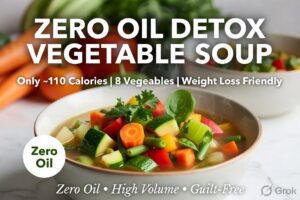
Sauté onion & garlic (no oil!): In a large pot over medium heat, dry sauté 1 medium onion, chopped with a splash of water or broth for 3–5 minutes 05:00
until translucent. Add 4 garlic cloves, minced and cook for 1 more minute.2
Bloom the spices & tomatoes: Add 1 teaspoons cumin powder, 0.5 teaspoons turmeric powder, 1 teaspoons Italian seasoning, and 0.5 teaspoons black pepper to the pot. Stir for 3m 30s 03:30
to bloom the spices. Add 2 medium tomatoes, chopped and cook for 3 minutes until they soften slightly.3
Add broth & hard veggies: Pour in 5 cups low-sodium vegetable broth and 1 cups water. Add 2 medium carrots, diced, 2 celery stalks, chopped, 1 medium zucchini, diced, 1 medium bell pepper (any color), diced, and 1 cups green beans, trimmed & chopped. Stir well, bring to a boil, then reduce heat to medium-low.4
Simmer: Cover and simmer for 20 minutes 20:00
until all vegetables are tender. Stir occasionally.5
Add greens & finish: Stir in 2 cups fresh spinach or kale and 0.8 teaspoons salt. Cook for 2 minutes 02:00
until greens are wilted. Remove from heat and stir in 1 tablespoons lemon juice for brightness.6
Serve & garnish: Ladle into deep bowls and garnish with fresh 2 tablespoons fresh parsley, chopped (for garnish). Serve hot and enjoy guilt-free!
Notes
~110 calories per serving | ~4g protein | ~22g carbs | ~0.5g fat
Zero oil recipe — one of the lowest calorie soups you can make!
Cabbage boost — add 1 cup shredded cabbage for even more fibre and volume.
Protein add-on — toss in a can of drained chickpeas or white beans to make it more filling.
Spice it up — add a pinch of red chili flakes or a green chili for heat.
Detox tip — drink a bowl before your main meals to reduce overall calorie intake naturally.
Storage — keeps in the fridge for 5 days; freezes well for up to 2 months.
How I Went Down From 224 to 142 Drinking This ‘Weird Japanese Tonic
From 224 to 142! That’s right! My transformation has been astonishing, not just in appearance but also in the way I live my life.
When my old friend Jessica saw me after six months, she couldn’t believe her eyes. The change in my physique was so drastic that she was utterly amazed.
The expression on her face was truly priceless! I eagerly shared with her the Weird Japanese Tonic I’ve been using, which has played a significant role in reshaping my life.
Excitedly, Jessica decided to try the method herself, and she has been achieving remarkable results. I feel more confident and full of energy than I have in years. This Japanese Tonic has proven to be more effective for me than anything we’ve attempted in the past.
So, maybe this could help you too? Watch Video to find out what it’s all about 👇
10 LowCarb Drink Recipes :Staying hydrated on a low carb diet doesn’t have to mean plain water all day. These 10 delicious, refreshing drinks are naturally low in carbs, sugar‑free (or very low sugar), and packed with flavor. From morning coffee to evening mocktails, there’s something for every moment.
1. Creamy Keto Bulletproof Coffee
Why it works: Healthy fats from butter and MCT oil provide steady energy without a blood sugar spike.
Ingredients:
1 cup hot brewed coffee
1 tablespoon unsalted grass‑fed butter or ghee
1 tablespoon MCT oil or coconut oil
Optional: cinnamon or vanilla extract
Instructions:
Brew your coffee as usual.
Pour hot coffee into a blender.
Add butter and MCT oil.
Blend for 20–30 seconds until frothy and creamy.
Sprinkle with cinnamon if desired.
Carbs: ~0g
2. Sparkling Cucumber Mint Cooler
Why it works: Cucumber and mint are naturally refreshing, with almost zero calories or carbs.
Ingredients:
1 cup sparkling water (unflavored)
4–5 fresh mint leaves
3 thin cucumber slices
1–2 ice cubes
Optional: squeeze of lemon or lime
Instructions:
Gently muddle mint leaves and cucumber slices in a glass.
Fill glass with ice.
Pour sparkling water over.
Add a squeeze of citrus if desired. Stir and enjoy.
Carbs: ~1g
3. Low Carb Pink Lemonade (No Sugar)
Why it works: Uses natural stevia or monk fruit for sweetness without the carbs.
Ingredients:
½ cup fresh lemon juice (about 2–3 lemons)
2 cups cold water
10–15 drops liquid stevia or monk fruit sweetener (to taste)
¼ cup fresh or frozen raspberries
Ice cubes
Instructions:
In a pitcher, combine lemon juice and water.
Add sweetener gradually, tasting as you go.
Mash raspberries with a fork and stir into the lemonade.
Add ice and serve.
Carbs: ~3g per serving (from raspberries)
4. Golden Turmeric Latte (Dairy‑Free Option)
Why it works: Turmeric has anti‑inflammatory properties; no added sugar.
Ingredients:
1 cup unsweetened almond milk (or coconut milk)
1 teaspoon ground turmeric
¼ teaspoon ground ginger (or ½ tsp fresh grated)
¼ teaspoon cinnamon
Pinch of black pepper (helps absorb turmeric)
1 teaspoon coconut oil or ghee (optional for creaminess)
Liquid stevia or monk fruit to taste
Instructions:
Warm almond milk in a small saucepan over medium heat (do not boil).
Whisk in turmeric, ginger, cinnamon, and black pepper.
Add coconut oil if using, and whisk until smooth.
Sweeten to taste.
Pour into a mug and enjoy warm.
Carbs: ~2g
Spanish Orange Peel Trick for Weight Loss
Clara was a woman of small stature but big appetites. At 4’11”, every extra pound felt like a boulder on her frame. After years of failed diets, she stumbled upon a Spanish travel blog one sleepy afternoon: “Agua de cáscara de naranja—the secret of Andalusian abuelas.”
Intrigued, she boiled dried orange peels with a cinnamon stick, a dash of ginger, and a spoon of honey. The bitter-sweet aroma filled her tiny apartment. She sipped it warm each morning before her café con leche.
Within two weeks, her cravings for mid-morning pastries vanished. The pectin in the peels curbed her hunger; the polyphenols revved her sluggish metabolism. By day 30, she’d shed eight pounds—and her jeans fit like a dream.
Her secret? No gym, no keto. Just leftover peels from her morning juice, simmered into a zesty, golden elixir. Now her friends call her La Pequeña Naranja—the little orange—and Clara just smiles, sips, and stays delightfully light.
Why it works: Matcha provides calm energy and antioxidants without carbs.
Ingredients:
1 teaspoon matcha powder
¼ cup hot water (not boiling)
1 cup unsweetened almond milk
5–10 drops liquid stevia
Ice cubes
Instructions:
Whisk matcha powder with hot water until no lumps remain.
Fill a glass with ice.
Pour matcha over ice.
Add almond milk and sweetener. Stir well.
Carbs: ~2g
6. Spicy Jalapeño Limeade
Why it works: A savory, low‑carb twist on limeade with a metabolism‑boosting kick.
Ingredients:
½ cup fresh lime juice (about 4 limes)
2 cups cold water
2 thin slices fresh jalapeño (remove seeds for less heat)
5–10 drops liquid stevia
Ice cubes
Optional: fresh cilantro
Instructions:
In a pitcher, combine lime juice and water.
Add jalapeño slices and sweetener.
Muddle gently to release flavor (don’t crush completely).
Let sit for 5–10 minutes for spice to infuse.
Add ice and garnish with cilantro if desired.
Carbs: ~2g
7. Virgin Low Carb Mojito
Why it works: All the flavor of a mojito without the rum and sugar.
Ingredients:
10 fresh mint leaves
1 tablespoon fresh lime juice
5–10 drops liquid stevia
1 cup sparkling water
Ice cubes
Instructions:
In a glass, muddle mint leaves with lime juice and stevia.
Fill glass with ice.
Top with sparkling water.
Stir gently and garnish with a mint sprig.
Carbs: ~1g
anish Orange Peel Trick for Weight Loss
Clara was a woman of small stature but big appetites. At 4’11”, every extra pound felt like a boulder on her frame. After years of failed diets, she stumbled upon a Spanish travel blog one sleepy afternoon: “Agua de cáscara de naranja—the secret of Andalusian abuelas.”
Intrigued, she boiled dried orange peels with a cinnamon stick, a dash of ginger, and a spoon of honey. The bitter-sweet aroma filled her tiny apartment. She sipped it warm each morning before her café con leche.
Within two weeks, her cravings for mid-morning pastries vanished. The pectin in the peels curbed her hunger; the polyphenols revved her sluggish metabolism. By day 30, she’d shed eight pounds—and her jeans fit like a dream.
Her secret? No gym, no keto. Just leftover peels from her morning juice, simmered into a zesty, golden elixir. Now her friends call her La Pequeña Naranja—the little orange—and Clara just smiles, sips, and stays delightfully light.
Why it works: Satisfies sweet cravings while keeping carbs low and protein high.
Ingredients:
1 cup unsweetened almond milk
1 scoop low carb chocolate or vanilla protein powder
1 tablespoon almond butter
½ teaspoon cocoa powder (unsweetened)
½ cup ice cubes
Optional: 1 tablespoon MCT oil for energy
Instructions:
Combine all ingredients in a blender.
Blend until smooth and creamy.
Pour into a glass and enjoy immediately.
Carbs: ~4g (depends on protein powder)
9. Cinnamon Vanilla “Horchata” (Sugar‑Free)
Why it works: A low‑carb twist on the classic sweet rice drink – without the rice.
Ingredients:
1 cup unsweetened almond milk
¼ cup heavy cream (or full‑fat coconut milk)
½ teaspoon ground cinnamon
¼ teaspoon vanilla extract
10 drops liquid stevia
Ice cubes
Instructions:
Combine almond milk, heavy cream, cinnamon, vanilla, and stevia in a shaker or blender.
Shake or blend for 10 seconds.
Fill a glass with ice and pour the mixture over.
Sprinkle extra cinnamon on top.
Carbs: ~2g
10. Electrolyte Lemonade (Keto Gatorade)
Why it works: Replenishes electrolytes lost on low carb/keto diets (prevents “keto flu”).
Ingredients:
1 liter water
Juice of 1 lemon
¼ teaspoon salt (pink Himalayan or sea salt)
¼ teaspoon potassium chloride (or “lite salt”)
10–15 drops liquid stevia
Optional: 1 tablespoon apple cider vinegar
Instructions:
Combine all ingredients in a large pitcher.
Stir until salt and sweetener dissolve.
Refrigerate and drink throughout the day, especially during the first week of low carb.
Carbs: ~1g
Bonus Tips for Low Carb Drinks
Avoid hidden sugars: Bottled iced teas, flavored sparkling waters, and coffee creamers often contain added sugar. Always check labels.
Sweeten smart: Liquid stevia, monk fruit drops, and erythritol are great zero‑carb options. Powdered stevia sometimes has maltodextrin (adds carbs).
Alcohol (if you drink): Stick to dry wine, hard liquor (vodka, whiskey, gin) with zero‑carb mixers like soda water or diet tonic. Avoid beer, sweet wine, and sugary cocktails.
Stay hydrated: Low carb diets have a diuretic effect, so drink extra water and electrolyte drinks.
Printable Quick Reference
Drink
Prep Time
Carbs
Bulletproof Coffee
5 min
0g
Cucumber Mint Cooler
5 min
1g
Pink Lemonade
10 min
3g
Golden Turmeric Latte
10 min
2g
Iced Matcha Latte
5 min
2g
Jalapeño Limeade
10 min
2g
Virgin Mojito
5 min
1g
Chocolate Almond Shake
5 min
4g
Cinnamon Horchata
5 min
2g
Electrolyte Lemonade
5 min
1g
Final Sip
Going low carb doesn’t mean giving up flavor. These 10 drinks prove you can enjoy creamy lattes, fizzy coolers, and even mocktails – all without breaking your carb budget. Try a new one each day and find your favorites.
Your turn: What’s your go‑to low carb drink? Share in the comments! 🥤
Instructions: Blend banana, berries, protein powder, and almond milk until thick and creamy. Pour into a bowl. Add toppings. Eat with a spoon.
Why it works for weight loss: Protein keeps you full. Fiber from berries and chia seeds slows digestion. No added sugar.
Calories: ~350
2. Veggie Egg Muffins (Meal Prep Favorite)
Make a batch on Sunday. Grab and go all week.
Ingredients:
8 large eggs
1/4 cup unsweetened almond milk
1 cup chopped spinach
1/2 cup diced bell peppers
1/4 cup diced onion
Salt, pepper, garlic powder
Instructions: Preheat oven to 375°F. Whisk eggs and milk. Add veggies and seasonings. Pour into greased muffin tin. Bake for 18–20 minutes.
Why it works for weight loss: High protein, low carb. Portable. Stops you from grabbing a pastry.
Calories: ~120 per 2 muffins
3. Overnight Oats with Greek Yogurt
No cooking. Just mix and refrigerate.
Ingredients:
1/2 cup rolled oats
1/2 cup plain Greek yogurt
1/2 cup unsweetened almond milk
1 tbsp chia seeds
1/2 cup mixed berries
Instructions: Combine oats, yogurt, milk, and chia seeds in a jar. Stir well. Refrigerate overnight. Top with berries in the morning.
Why it works for weight loss: Oats and chia seeds provide soluble fiber that keeps you full for hours. Greek yogurt adds protein.
Calories: ~380
Lunch Recipes (Under 450 Calories)
4. Chicken Avocado Salad Wraps
Creamy. Crunchy. Satisfying.
Ingredients:
1 cup shredded cooked chicken
1/2 avocado, mashed
2 tbsp plain Greek yogurt
1 tbsp lime juice
Salt, pepper, cilantro
Large lettuce leaves or low-carb tortilla
Instructions: Mix chicken, mashed avocado, Greek yogurt, lime juice, and seasonings. Scoop into lettuce leaves or tortilla.
Why it works for weight loss: Healthy fats from avocado keep you full. Lettuce wraps cut carbs.
Calories: ~400
5. Quinoa Chickpea Power Bowl
Meatless, but packed with protein.
Ingredients:
1 cup cooked quinoa
1/2 cup canned chickpeas, rinsed
1 cup mixed greens
1/4 cucumber, diced
1/4 cup cherry tomatoes
2 tbsp tahini dressing
Instructions: Layer quinoa, greens, chickpeas, cucumber, and tomatoes in a bowl. Drizzle with tahini dressing.
Why it works for weight loss: Quinoa and chickpeas provide plant protein and fiber. Keeps you full for hours.
Calories: ~420
6. Turkey and Spinach Lettuce Wraps
Like a burger, but lighter.
Ingredients:
4 large lettuce leaves (romaine or butter)
1/2 lb lean ground turkey
1 cup fresh spinach
1/4 cup diced red onion
Mustard or hummus
Instructions: Cook turkey in a pan until browned. Season with salt and pepper. Lay lettuce leaves flat. Add turkey, spinach, onion, and a spread of mustard or hummus. Roll and eat.
Why it works for weight loss: Lean protein. No bread. Lots of crunch.
Calories: ~350
Dinner Recipes (Under 500 Calories)
7. Baked Salmon with Roasted Asparagus
Simple. Elegant. Filling.
Ingredients:
1 salmon fillet (4–5 oz)
1 bunch asparagus
1 tbsp olive oil
Lemon slices
Salt, pepper, garlic powder
Instructions: Preheat oven to 400°F. Place salmon and asparagus on a baking sheet. Drizzle with olive oil. Season. Top salmon with lemon slices. Bake for 12–15 minutes.
Why it works for weight loss: Salmon provides omega-3s and protein. Asparagus is low-calorie and high in fiber.
Calories: ~450
8. Zucchini Noodles with Turkey Meatballs
Pasta night without the carb crash.
Ingredients:
2 medium zucchinis, spiralized
1/2 lb lean ground turkey
1/4 cup breadcrumbs
1 egg
1 cup sugar-free marinara sauce
Fresh basil
Instructions: Mix turkey, breadcrumbs, and egg. Form into small meatballs. Bake at 375°F for 15 minutes. While meatballs cook, spiralize zucchini and sauté in a pan for 2–3 minutes. Heat marinara. Combine everything. Top with basil.
Why it works for weight loss: Zucchini noodles replace pasta, cutting carbs and calories. Turkey meatballs are lean.
Calories: ~480
9. Sheet Pan Lemon Herb Chicken and Veggies
One pan. Minimal cleanup. Maximum flavor.
Ingredients:
1 chicken breast, diced
1 cup broccoli florets
1 cup bell pepper chunks
1/2 red onion, sliced
1 tbsp olive oil
Juice of 1 lemon
Dried oregano, thyme, salt, pepper
Instructions: Preheat oven to 400°F. Toss chicken and veggies with olive oil, lemon juice, and seasonings. Spread on a baking sheet. Roast for 20–25 minutes.
Why it works for weight loss: Lean protein plus non-starchy vegetables. Balanced and satisfying.
Calories: ~420
10. Cauliflower Fried Rice
Takeout flavor. Half the calories.
Ingredients:
1 bag frozen cauliflower rice
2 eggs, scrambled
1/2 cup frozen peas and carrots
2 tbsp low-sodium soy sauce
1 clove garlic, minced
Green onions for garnish
Instructions: Heat a pan over medium-high. Scramble eggs, then remove. Sauté garlic, then add cauliflower rice and frozen veggies. Cook for 5–7 minutes. Add soy sauce and scrambled eggs. Stir. Top with green onions.
Why it works for weight loss: Cauliflower rice has 90% fewer carbs than regular rice. Still tastes like fried rice.
Calories: ~300
Snacks & Desserts (Under 200 Calories)
11. Greek Yogurt Berry Bark
A frozen treat that kills sweet cravings.
Ingredients:
1 cup plain Greek yogurt
1/2 cup mixed berries
1 tbsp honey or stevia
Instructions: Line a small baking sheet with parchment paper. Spread yogurt evenly. Top with berries and drizzle honey. Freeze for 2–3 hours. Break into pieces.
Why it works for weight loss: Protein-rich yogurt satisfies hunger. Berries add natural sweetness.
Calories: ~150
12. Apple Slices with Peanut Butter
Simple. Classic. Effective.
Ingredients:
1 apple, sliced
1 tbsp natural peanut butter
Instructions: Slice apple. Dip in peanut butter. Eat.
Why it works for weight loss: Apple provides fiber and crunch. Peanut butter adds healthy fat and protein to keep you full.
Calories: ~180
13. Cottage Cheese with Cucumber & Everything Bagel Seasoning
Savory snack. High protein. Low carb.
Ingredients:
1/2 cup low-fat cottage cheese
1/2 cucumber, sliced
Everything bagel seasoning
Instructions: Scoop cottage cheese onto cucumber slices. Sprinkle with seasoning.
Why it works for weight loss: Cottage cheese is packed with casein protein, which digests slowly and keeps you full.
Calories: ~120
Quick Tips for Weight Loss Success
Drink water before meals. One glass 15 minutes before eating can help you eat less.
Load half your plate with vegetables. They fill you up without adding many calories.
Don’t skip protein at breakfast. It sets your blood sugar steady for the whole day.
Prep your veggies on Sunday. Wash, chop, and store them. You’ll actually eat them.
Use smaller plates. It tricks your brain into feeling satisfied with less food.
Eat slowly. It takes 20 minutes for your stomach to tell your brain you’re full.
Don’t drink your calories. Stick to water, black coffee, or unsweetened tea.
Printable Shopping List
Save this list for your next grocery trip:
Produce:
Bananas
Mixed berries (fresh or frozen)
Spinach
Bell peppers
Onions
Avocados
Lemons
Zucchini
Broccoli
Cauliflower (or cauliflower rice)
Apples
Cucumbers
Garlic
Mixed greens
Asparagus
Protein:
Eggs
Greek yogurt
Chicken breast
Lean ground turkey
Salmon fillets
Cottage cheese
Protein powder (vanilla)
Pantry:
Rolled oats
Chia seeds
Almond milk (unsweetened)
Quinoa
Chickpeas (canned)
Low-sodium soy sauce
Sugar-free marinara sauce
Everything bagel seasoning
Natural peanut butter
Olive oil
Almonds
Canned tuna or chicken (optional)
7. Frequently Asked Questions (FAQ)
Q: Can I lose weight just by following these recipes? A: These recipes are designed to support weight loss when paired with proper portions and an overall healthy lifestyle. They are lower in calories and higher in nutrients than typical meals. But for best results, combine them with regular physical activity and mindful eating habits.
Q: How many calories should I eat per day to lose weight? A: This varies by person. A general guideline is 1,500–1,800 calories per day for women and 1,800–2,200 for men, depending on activity level. Use a calorie calculator or talk to a doctor for a personalized number.
Q: Can I meal prep these recipes? A: Yes! The veggie egg muffins, overnight oats, quinoa bowls, and sheet pan chicken all prep well. Store in airtight containers in the fridge for up to 4 days.
Q: Are these recipes good for beginners? A: Absolutely. Every recipe uses basic cooking techniques and common ingredients. No fancy skills required.
Q: Can I substitute ingredients? A: Yes. Swap turkey for chicken, spinach for kale, or berries for other fruit. Keep portion sizes similar.
Q: Will I feel hungry eating these meals? A: These recipes focus on protein, fiber, and healthy fats – the three nutrients that keep you full. Most people feel satisfied. If you’re still hungry, add more non-starchy vegetables.
8. Call to Action (CTA)
Save this post to your favorite Pinterest board so you always have healthy meal ideas ready. Try one new recipe this week – your taste buds (and your waistline) will thank you.
HowA Orange Peel Trick That Liquifies Fat As You Sleep”
Did you hear about the unusual orange peel trick that liquifies fat cells as you sleep?
Clinical studies confirm just 30 secs of this simple orange peel technique boosts calorie burning and fat-dissolving by over 326%, that’s more calories than 45 mins running!
Before you go to sleep tonight, try it for yourself… >>>>
1 Unusual Orange Peel Trick That Liquifies Fat As You Sleep
just try this one easy fat-dissolving orange peel trick before you sleep tonight and drop lbs of stubborn fat by morning.
MetaTrim BHB :I need to be honest with you right from the start.
I am not one of those people who wakes up excited to drink bulletproof coffee. I tried keto twice before. The first time, I made it five days. The second time, I made it eight. Both times, I quit because I felt terrible—head pounding, brain like cotton, and legs so heavy I could barely walk up my own driveway.
So when I heard about MetaTrim BHB, I wasn’t looking for a miracle. I was looking for something to get me through that first brutal week without giving up again.
Here’s what happened when I actually tried it.
What Made Me Try It
My sister started keto last year and lost 25 pounds. She kept telling me, “You just have to push through the first two weeks.” But I work full time. I have two kids. I can’t afford to feel like garbage for 14 days.
She mentioned she’d been taking something called BHB. Said it helped her skip the keto flu entirely. I was skeptical—she’s always trying some new supplement—but she looked great and had more energy than I’d seen in years.
So I looked into MetaTrim BHB specifically. The ingredient list looked clean. It wasn’t one of those sketchy “proprietary blend” situations where they hide what’s inside. I could actually see the magnesium, calcium, and sodium BHB salts. And chromium picolinate, which I’d read helps with sugar cravings.
The 60-day money-back guarantee sealed it. If it didn’t work, I wasn’t out anything.
The First Week: Honestly Surprising
I started MetaTrim BHB on a Sunday. I also started keto that same day—cut my carbs to under 30 grams, upped my healthy fats, the whole deal.
Day two, I expected to feel the usual fog. Nothing.
Day three, I braced myself. Still fine.
By day five, I was confused. Where was the crash? I had energy. I wasn’t snapping at my kids. I even made it through a 3 p.m. meeting without wanting to nap under my desk.
I’m not saying I felt amazing. I was still hungry sometimes. I still wanted a piece of toast. But the debilitating fatigue that made me quit twice before? It just wasn’t there.
I took two capsules every morning with breakfast. Within about an hour, I noticed a subtle lift—not jittery like coffee, just… steady. Like my brain had found a backup generator.
The Longer I Took It, the Better It Got
By week three, something shifted. My cravings for sugar and carbs dropped noticeably. I’d walk past the bakery section at the grocery store and feel… nothing. That had never happened before.
I also stopped thinking about food all the time. On my previous keto attempts, I was constantly calculating carb counts and dreaming about pizza. This time, I just ate my meals and went about my day.
Around week four, my energy became consistent. No afternoon slump. No dragging myself out of bed in the morning. I even started running again—nothing crazy, just 20 minutes a few times a week—because I actually felt like moving.
I weighed myself at six weeks. I’d lost 12 pounds. Not earth-shattering, but steady. More importantly, my jeans fit better and my face looked less puffy.
The Ingredients That Actually Matter
I’m not a scientist, but I did enough reading to understand why this works.
BHB salts (magnesium, calcium, and sodium) are exogenous ketones. When you’re in ketosis, your body makes its own BHB. But during the transition, it’s slow. Taking BHB from the outside gives your cells immediate fuel. It’s like jump-starting a car instead of pushing it.
The magnesium part is also huge. When you cut carbs, your body flushes out electrolytes. That’s why people get leg cramps and headaches on keto. The magnesium in MetaTrim BHB helped me avoid that completely.
Chromium picolinate was the ingredient I was most curious about. I learned that chromium helps regulate blood sugar and reduce cravings. For me, that was the game-changer. I stopped obsessing over carbs.
Some versions also include Irish sea moss, green tea extract, and apple cider vinegar. My bottle had the sea moss. I can’t say I felt a huge difference from that specifically, but I appreciated the extra minerals.
What Other People Told Me
I asked around in some keto groups online. Here’s what other MetaTrim BHB users shared with me:
“I’ve taken different supplements over the years, and this is the first one to wow me. I actually feel healthier, more energetic, and a lot stronger.” — Alex, verified buyer
“Before MetaTrim BHB, my blood sugar was unstable and I felt low on energy. After 6 weeks, my A1C improved and I feel more energetic than ever.” — Aisha, who has been using it for several months
“I used to struggle with sugar spikes and cravings. MetaTrim BHB stabilized my glucose levels—now I feel in control and healthier.” — David, who combined it with a low-carb diet
Of course, not everyone loved it. A few people said they didn’t notice much difference, but those people also admitted they weren’t strictly following a low-carb diet. You can’t expect a supplement to do all the work.
The Bad Stuff (Because Nothing Is Perfect)
I don’t want this to sound like a paid ad. There are downsides.
It takes time. This isn’t a pill that melts fat while you sleep. You still have to eat right and move your body. If you’re looking for a shortcut, this isn’t it.
The price is medium. At around $39–$69 per bottle depending on how many you buy, it’s not cheap. But compared to what I used to spend on takeout and sugary coffee drinks, it actually saved me money.
You have to buy online. I hate paying for shipping and waiting for packages. But the official site does offer free shipping on the larger bundles.
The first few days, I felt a little bloated. Nothing terrible, and it went away after about a week. I drank more water and that helped.
Who I’d Recommend This To
If you’re already on keto and struggling with energy, try it. If you’ve tried keto before and quit because you felt terrible, try it. If you have constant sugar cravings that sabotage your diet, try it.
But if you’re not willing to change your eating habits, don’t bother. No supplement can outrun a bad diet.
Also, talk to your doctor first if you have any medical conditions or take prescription medications. I’m not a doctor. I’m just a guy who wanted to lose weight without suffering.
The Bottom Line
MetaTrim BHB worked for me. It got me through the keto transition that had defeated me twice before. It gave me steady energy, killed my cravings, and helped me lose 12 pounds in six weeks without feeling miserable.
Is it a magic pill? No. I still had to say no to pizza and yes to vegetables. But it made saying no so much easier.
If you’ve been on the fence about keto because you’re scared of the keto flu, this might be the bridge you need. And with the 60-day guarantee, you’re not risking anything except a few weeks of your time.
For me, it was worth every penny.
Disclaimer: I’m not a doctor or a nutritionist. This is my personal experience with MetaTrim BHB. Your results may be different. Always consult your healthcare provider before starting any new supplement.