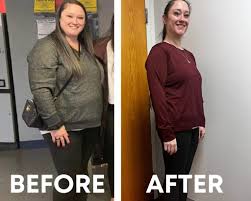
Fat Perez Weight Loss: The Inspiring Transformation Journey of Golf’s Beloved Content Creator

Fat Perez Weight Loss

Fat Perez Weight Loss :Fat Perez, affectionately known as “Fat Perez” in the golf community, has become one of the most recognizable figures in modern golf content creation. His weight loss journey has inspired thousands of followers who’ve watched his transformation unfold across social media platforms. This comprehensive look at Fat Perez’s weight loss story explores the methods, mindset, and motivation behind his remarkable physical transformation.

Who is Fat Perez?

Before diving into his weight loss journey, it’s important to understand who Fat Perez is and why his transformation has resonated with so many people. Pat Perez has built a massive following through his entertaining golf content, relatable personality, and authentic approach to the game. Unlike many polished golf influencers, Perez connected with audiences by being unapologetically himself—someone who loved golf, enjoyed life, and didn’t take himself too seriously.

His nickname “Fat Perez” was self-deprecating humor that endeared him to fans who saw themselves reflected in his struggles with weight and fitness. This authenticity made his subsequent weight loss journey all the more impactful and inspiring to his dedicated fanbase.

The Decision to Change

Every successful weight loss journey begins with a moment of decision, and Fat Perez’s story is no exception. For Perez, the motivation to lose weight came from multiple sources: improving his golf performance, enhancing his overall health, and setting a positive example for his growing audience.

Like many people who carry extra weight, Perez likely experienced the physical limitations that excess pounds can place on athletic performance. In golf, while the sport doesn’t require the same cardiovascular endurance as running or basketball, excess weight can affect flexibility, stamina during long rounds, and overall energy levels. The desire to play better golf and feel more comfortable on the course became powerful motivators for change.

Beyond golf performance, there were likely health considerations. Carrying significant extra weight increases risks for numerous health conditions, including heart disease, diabetes, and joint problems. As a content creator building a career in the golf industry, maintaining good health became essential for long-term success and quality of life.

The Weight Loss Approach

While specific details of Fat Perez’s exact diet and exercise regimen may vary over time, successful weight loss typically follows fundamental principles that Perez appears to have embraced. His transformation wasn’t the result of a quick-fix diet or extreme measures, but rather a sustainable lifestyle change.

Dietary Changes

The foundation of any weight loss journey is nutrition. Perez likely made significant changes to his eating habits, focusing on creating a caloric deficit while still providing his body with adequate nutrition. This probably included:

Portion Control: One of the most effective strategies for weight loss is simply eating less. Rather than completely eliminating favorite foods, Perez likely learned to enjoy them in moderation, paying attention to serving sizes and total daily caloric intake.

Whole Foods Focus: Shifting away from processed foods toward whole, nutrient-dense options helps with both weight loss and overall health. This means more vegetables, fruits, lean proteins, and whole grains, and fewer packaged snacks, fast food, and sugary beverages.

Protein Prioritization: Adequate protein intake is crucial during weight loss to preserve muscle mass while losing fat. Higher protein diets also tend to be more satiating, helping to control hunger and reduce overall calorie consumption.

Hydration: Drinking plenty of water throughout the day supports metabolism, helps control appetite, and improves overall health. Many people mistake thirst for hunger, leading to unnecessary calorie consumption.

Exercise and Physical Activity

While diet creates the caloric deficit necessary for weight loss, exercise provides numerous benefits that support the process. For Fat Perez, incorporating regular physical activity likely played a significant role in his transformation.

Golf as Exercise: Walking 18 holes of golf can burn 1,500 calories or more, making the sport itself excellent exercise. By walking more rounds instead of using a cart, Perez could have significantly increased his daily calorie burn.

Strength Training: Building muscle through resistance training boosts metabolism, improves body composition, and supports long-term weight maintenance. Even basic strength training exercises can make a significant difference.

Cardiovascular Exercise: Activities like walking, jogging, cycling, or using cardio equipment help burn calories and improve heart health. Starting with manageable activities and gradually increasing intensity is key to sustainable progress.

Consistency Over Intensity: The most effective exercise program is one you can stick with long-term. Rather than burning out with overly intense workouts, finding activities you enjoy and can perform regularly leads to better results.

The Mental and Emotional Aspects

Physical transformation requires mental transformation. Fat Perez’s journey likely involved significant mindset shifts that enabled his success.

Accountability: Sharing his journey with his audience created public accountability. When thousands of people are watching and supporting your progress, there’s additional motivation to stay committed to your goals.

Self-Compassion: Sustainable weight loss isn’t about perfection. There will be setbacks, difficult days, and moments of weakness. Learning to bounce back without self-judgment is crucial for long-term success.

Identity Shift: Moving away from the “Fat Perez” identity required redefining himself. This type of identity shift—seeing yourself as someone who takes care of their health rather than someone struggling with weight—is powerful for maintaining changes.

Goal Setting: Breaking the ultimate weight loss goal into smaller, achievable milestones makes the journey less overwhelming and provides regular victories to celebrate along the way.

The Impact on Performance and Life

As Fat Perez lost weight, the benefits extended far beyond the number on the scale. Physical transformation typically brings improvements across multiple areas of life.

Golf Performance: With less weight to carry, increased flexibility, and better stamina, Perez’s golf game likely improved. Better physical conditioning translates to more consistent swings, less fatigue late in rounds, and potentially lower scores.

Energy Levels: Excess weight is physically taxing. As the pounds came off, Perez probably experienced significantly higher energy levels throughout the day, making content creation, practicing golf, and daily activities easier and more enjoyable.

Confidence: There’s no denying that weight loss often boosts confidence. Feeling better in your clothes, receiving compliments, and achieving difficult goals all contribute to improved self-esteem.

Health Markers: Beyond visible changes, weight loss typically improves important health markers like blood pressure, cholesterol levels, blood sugar regulation, and reduced inflammation throughout the body.

Lessons from Fat Perez’s Journey

Fat Perez’s weight loss transformation offers valuable lessons for anyone considering their own health journey:

Authenticity Matters: Perez didn’t pretend to be someone he wasn’t. He acknowledged his struggles honestly, which made his journey relatable and his success genuinely inspiring.

Sustainable Change Over Quick Fixes: The transformation appears to have been gradual and sustainable rather than the result of crash dieting or extreme measures. This approach is more likely to result in lasting change.

Community Support: Engaging with a supportive community—whether it’s social media followers, friends, family, or workout partners—provides encouragement during difficult times and celebration during victories.

It’s Never Too Late: Regardless of your starting point, positive change is always possible. Perez’s journey demonstrates that with commitment and the right approach, significant transformation is achievable.

Health Over Aesthetics: While looking better is a nice benefit, the real value of weight loss comes from improved health, increased energy, and enhanced quality of life.

Maintaining the Results

Losing weight is challenging, but maintaining weight loss presents its own difficulties. The majority of people who lose significant weight regain it within a few years. For Fat Perez, long-term success requires ongoing commitment to the lifestyle changes that enabled his transformation.

This means continuing to prioritize nutrition, staying physically active, managing stress effectively, and maintaining the mindset shifts that supported his journey. The habits formed during weight loss must become permanent lifestyle changes rather than temporary measures.

Inspiring Others

Perhaps the most significant impact of Fat Perez’s weight loss journey is how it has inspired others in the golf community and beyond. By sharing his transformation publicly, Perez has shown thousands of followers that change is possible. His story provides hope and practical inspiration for anyone struggling with their weight.

In the golf world specifically, where the sport has traditionally not prioritized athletic fitness compared to other sports, Perez’s transformation challenges stereotypes and demonstrates the benefits of taking health seriously. This could have ripple effects throughout golf culture, encouraging more players to prioritize their fitness and well-being.

Conclusion

Fat Perez’s weight loss journey represents more than just a physical transformation—it’s a story of commitment, perseverance, and personal growth. By making the decision to prioritize his health, implementing sustainable changes to his diet and exercise habits, and maintaining accountability throughout the process, Perez achieved remarkable results that have enhanced both his golf performance and overall quality of life.

His journey reminds us that significant positive change is possible regardless of your starting point. Whether you’re a golfer looking to improve your game, someone struggling with weight issues, or simply seeking inspiration for personal improvement, Fat Perez’s transformation offers valuable lessons in commitment, sustainability, and the power of authentic self-improvement.

For anyone considering their own weight loss journey, the key takeaways are clear: focus on sustainable lifestyle changes rather than quick fixes, seek support from your community, maintain consistency even when progress feels slow, and remember that the goal is long-term health and well-being rather than temporary aesthetic changes. With these principles in mind, the kind of transformation Fat Perez achieved becomes not just possible, but probable.

Read also

Jelly Roll Weight Loss Journey: How the Rapper Transformed His Health

Mike Pompeo Weight Loss: How the Former Secretary of State Lost 90 Pounds

Amy Schumer Weight Loss: Her Complete Journey in 2025

Amy Schumer Weight Loss

Amy Schumer Weight Loss :Amy Schumer has been making headlines lately, and it’s not just for her comedy. The 44-year-old actress and comedian has undergone a noticeable weight loss transformation that has fans talking. From deleting her Instagram photos to opening up about weight loss medications, Amy’s journey has been anything but private. Let’s dive into everything you need to know about Amy Schumer’s weight loss story, told in a straightforward and honest way.

Did Amy Schumer Delete Her Instagram Photos?

Yes, she did. In November 2025, Amy Schumer surprised her followers by deleting nearly all of her old Instagram posts. She left just one new photo on her feed, showing herself in a red strapless minidress paired with black Chanel heels.

When she announced the decision, Amy wrote: “I actually left my house tonight. Who’s proud? I’m feeling good and happy. Deleted my old pics for no reason!” She also shared her very first Instagram post to her Stories before clearing her account, saying: “My first ever insta post. I’m gonna erase them all cause why not?”

Why Did She Delete Her Photos?

At first, many people assumed Amy deleted her old photos because she wanted to hide her pre-weight loss pictures. Tabloids and social media users speculated that she was ashamed of how she looked before losing weight. But Amy quickly shut down that narrative.

She addressed the speculation directly, clarifying that she didn’t delete her old photos because they showed her before weight loss, calling this explanation a narrative created by the media. In a lengthy Instagram post, she explained:

“Hey media outlets. I didn’t delete my old photos because they were pre me losing weight. That’s a narrative you created. I’m proud of how I’ve looked always. I have been working to be pain free and I finally am. My endometriosis is better. My back is healing. I no longer have Cushing syndrome so my face went back to normal.”

She continued: “I am grateful to be strong and healthy especially for my son. But your Instagram is not your identity.”

This response shows that Amy’s focus has always been on health, not just appearance.

Amy Schumer’s Weight Loss Journey: The Full Story

Amy Schumer’s weight loss didn’t happen overnight. It’s been a journey involving multiple medications, health challenges, and a lot of honesty with her fans.

The Ozempic Experience: 2022

About three years ago, Amy tried Ozempic, a type 2 diabetes medication that has become popular for weight loss, and she lost 30 pounds quickly. She opened up about this experience on The Howard Stern Show in early 2025 while promoting her movie Kinda Pregnant.

The weight loss was dramatic and fast. Amy said, “I lost 30 pounds so quick. I looked great, but I couldn’t lift my head off the pillow. So what’s the point?”

The problem was the side effects. Amy experienced severe nausea that left her bedridden. She couldn’t even play with her young son, Gene. “I was like bedridden. I was like, vomiting—and then you have no energy. But other people take it and they’re all good. So, God bless them,” she recalled.

Why Ozempic Didn’t Work for Amy

Amy explained that her reaction to Ozempic wasn’t entirely the medication’s fault. She has a specific gene called GDF-15, which makes her extremely prone to nausea. This is the same reason she was so sick during her pregnancy with her son.

“I have this gene, GDF-15, which makes you extremely prone to nausea, which is why I was so sick during my pregnancy,” she said. Because the side effects were so severe and affected her ability to care for her son, Amy decided the medication “wasn’t livable” for her.

She stopped taking Ozempic, even though it had helped her lose weight, because being healthy meant more than just looking good.

Trying Wegovy: Another Setback

Amy didn’t give up on weight loss medications entirely. She also tried Wegovy, another GLP-1 medication similar to Ozempic. Unfortunately, she had the same problem.

“Three years ago, I tried Wegovy. I was puking, I couldn’t handle it. I don’t know if they’ve changed the formula, whatever,” she shared in a video on Instagram in March 2025.

Like Ozempic, Wegovy made her too sick to function normally, so she had to stop taking it.

Success with Mounjaro: 2025

After two failed attempts with weight loss medications, Amy finally found success with Mounjaro in 2025. In March 2025, she revealed on Instagram that she was having a positive experience with Mounjaro, unlike her previous attempts with other weight loss medications.

Amy discovered Mounjaro through a telehealth meeting with Midi Health, a women’s health company. “I went on this Telehealth meeting with Midi Health, and it was cheap. I wanted to try it myself ’cause I wanted to recommend it to my friends who are nurses and teachers,” she explained.

The Perimenopause Discovery

Here’s where Amy’s story gets really interesting. When she met with the doctors at Midi Health, they didn’t just talk about weight loss. They put her on estrogen and progesterone after discovering she was in perimenopause.

“I realised I was in perimenopause and my symptoms from being perimenopausal have disappeared,” Amy said.

This discovery changed everything for her. The hormone treatment, combined with Mounjaro, led to improvements that went far beyond just weight loss:

  • Her hair became fuller
  • Her skin improved
  • She had more energy
  • Her endometriosis symptoms got better
  • She even noticed an improvement in her sex drive (“I want to get down more, if you know what I mean. I’m talking about sex. So that’s been great and Mounjaro’s been great,” she joked)

Being Honest About the Cost

Amy has always been upfront about her experiences, and she didn’t hide the fact that Mounjaro isn’t covered by insurance for everyone. She explained:

“Look, it’s not covered by insurance unless you have diabetes or like severe obesity, which most of the internet thinks I have. But I’m having a really good experience with it and I wanted to keep it real with you about that.”

This honesty is refreshing in a world where many celebrities hide how they really lose weight.

Amy’s Other Health Challenges

Amy’s weight loss journey is connected to several other health issues she’s been dealing with. Understanding these gives us a fuller picture of why she’s been so focused on her health.

Cushing Syndrome

Amy has been open about experiencing Cushing syndrome, a condition where the body produces too much cortisol, which in her case caused a rounded face and weight gain. This condition affected her appearance and made weight management even more challenging.

In her Instagram post, Amy mentioned that she no longer has Cushing syndrome, so her face has returned to normal. This was a significant health improvement for her.

Endometriosis

Amy has struggled with endometriosis, a painful condition affecting the reproductive system. In her recent Instagram statement, she said her endometriosis is better now, which has contributed to her overall feeling of wellness.

Back and Hip Pain

In 2018, Amy revealed she was dealing with severe back and hip pain from old volleyball and surfing injuries, including a herniated disc, a bulging disc, and a labral tear in her hip. She worked with trainers to build strength and improve her condition.

In her November 2025 post, Amy said her back is healing, showing that her focus on health has paid off in multiple ways.

Liposuction in 2022

Amy has been honest about cosmetic procedures too. In 2022, after undergoing a hysterectomy, appendix removal, and cesarean section, Amy decided to get liposuction to feel better about her body.

She didn’t hide this fact. In fact, she called out other celebrities for not being honest about their procedures: “Everyone has been lying saying, ‘Oh smaller portions.’ Like shut the f*ck up. You are on Ozempic or one of those things or you got work done. Just stop. Be real with the people. When I got lipo, I said I got lipo.”

This transparency is one of the things fans appreciate most about Amy.

Amy Schumer’s Weight Loss Transformation: The Results

By October 2025, Amy showcased her dramatic weight loss transformation when she stepped out in a Miu Miu minidress with slim legs at a Paul McCartney concert in Las Vegas.

Photos from the event showed a noticeably slimmer Amy posing with friends Jillian Bell and Alex Saks. She wore a black short-sleeved minidress with gold buttons and matching open-toe heels.

Celebrities and fans flooded her Instagram comments with compliments:

  • Amy Sedaris commented: “You look incredible. Look at those pins!!! #miumiu Classy!!”
  • Chelsea Handler wrote: “Yes!!!!! Look at this pic!!!!”
  • Kathy Griffin joked: “I’m so pissed about your legs, I can barely talk to you”
  • Lee Daniels wrote: “Skinnnnnnnny mommmmma”

Amy responded to the love, writing: “Loving the love. My legs thank you!”

The Divorce Rumors: Setting the Record Straight

When Amy deleted her Instagram photos and showed off her weight loss, tabloids immediately started speculating about her marriage. The Daily Mail reported that Amy and her husband, chef Chris Fischer, were “100 percent” getting divorced.

The outlet pointed out that Amy hadn’t been seen with her husband for several months and had been spotted without her wedding ring. Combined with the Instagram purge and her transformation, people assumed she was leaving her marriage now that she’d lost weight.

Some social media comments were harsh: “Now that she’s skinny, she thinks she can do better,” one person wrote. Another said, “When your woman starts working out, losing weight, buying new clothes, you best get mentally ready to get dumped.”

The Truth About Her Marriage

But according to a source who spoke to People magazine, Amy and Chris Fischer are not divorcing but remain committed to their relationship and are working through normal issues that affect couples in long-term marriages. The source said, “They are both committed to the relationship.”

Amy and Chris have been married since 2018, which means they’ve been together for seven years. They share a 6-year-old son, Gene.

While it’s true that relationships go through ups and downs, especially after major life changes like weight loss, there’s no solid evidence that Amy is ending her marriage.

Amy’s Focus: Health, Not Just Weight

Throughout her entire journey, Amy has emphasized that her goal was never just to be thinner. It was to be healthy and pain-free.

In her Instagram statement responding to the speculation about deleting photos, she made this crystal clear: “I have been working to be pain free and I finally am.”

She also noted that her weight will likely continue to fluctuate: “But your Instagram is not your identity. I expect to always fluctuate and I’m 44.” This realistic approach shows maturity and self-acceptance.

Amy said her focus was on being healthy and pain-free rather than weight loss, noting improvements in her endometriosis, back healing, and resolution of Cushing’s syndrome.

Amy’s Message About Being Honest

One thing that stands out about Amy Schumer’s weight loss journey is her commitment to honesty. In Hollywood, where many celebrities pretend they lost weight through “eating clean” or “portion control,” Amy has been refreshingly transparent.

She’s talked openly about:

  • Using Ozempic (and why it didn’t work)
  • Trying Wegovy (same story)
  • Finding success with Mounjaro
  • Getting liposuction
  • Using hormone therapy for perimenopause

On Watch What Happens Live in June 2023, Amy called out the dishonesty in Hollywood: “Everyone has been lying saying, ‘Smaller portions.’ Shut the f–k up. You are on Ozempic or one of those things, or you got work done. Just stop. Be real with the people.”

This honesty helps other women feel less alone in their struggles. It also helps set realistic expectations about weight loss and health.

Amy’s Life Beyond Weight Loss

While weight loss has been a big part of Amy’s recent story, she’s been busy with other parts of her life too.

Her Career

Amy recently appeared in the movie Kinda Pregnant, which came out in 2025. She’s continued her comedy work and remains a prominent voice in entertainment.

Motherhood

Amy frequently mentions her son, Gene, in her discussions about health. Her inability to play with him while on Ozempic was a major reason she stopped taking it. Being a present, active mom is clearly one of her top priorities.

Advocacy

By being open about her experiences with weight loss medications, perimenopause, endometriosis, and other health issues, Amy has become an advocate for women’s health. She’s showing women that it’s okay to use medical help to feel better and that health is about more than just a number on a scale.

What About Weight Loss Medications?

Amy’s story raises important questions about weight loss drugs like Ozempic, Wegovy, and Mounjaro. These medications, known as GLP-1 agonists, work by suppressing appetite and helping regulate blood sugar.

Who Should Use Them?

These medications are officially approved for people with type 2 diabetes and, in some cases, people with obesity. As Amy pointed out, they’re not typically covered by insurance unless you have diabetes or severe obesity.

The Side Effects

Amy’s experience shows that these medications don’t work for everyone. Common side effects include:

  • Nausea
  • Vomiting
  • Fatigue
  • Digestive issues

For some people, like Amy with her GDF-15 gene, the side effects can be severe enough to make the medication unusable.

The Importance of Medical Supervision

Amy found her success with Mounjaro through a telehealth service that provided proper medical supervision. She didn’t just order the medication online and start using it. She worked with doctors who also identified her perimenopause and prescribed hormone therapy.

This comprehensive approach to health—not just focusing on weight—is what made the difference for Amy.

Lessons from Amy Schumer’s Weight Loss Journey

What can we learn from Amy’s experience?

1. Health Is More Than Just Weight

Amy’s journey shows that true wellness includes managing pain, treating underlying conditions like endometriosis and Cushing syndrome, addressing hormonal imbalances, and having energy to live your life fully.

2. What Works for One Person May Not Work for Another

Amy tried three different medications before finding one that worked for her. Even popular options like Ozempic aren’t right for everyone.

3. Honesty Matters

By being transparent about her struggles and successes, Amy has helped destigmatize the use of medical interventions for weight loss and health.

4. You Don’t Have to Hide Your Past

Amy made it clear that she’s not ashamed of how she looked before losing weight. She deleted her Instagram photos for her own reasons, not because she was embarrassed.

5. Professional Help Is Important

Working with doctors, trainers, and nutritionists gave Amy the support she needed to succeed safely.

The Bottom Line: Amy Schumer’s Weight Loss in 2025

Amy Schumer’s weight loss journey has been anything but simple. After struggling with severe side effects from Ozempic and Wegovy, she found success with Mounjaro in 2025. But her transformation is about much more than just losing weight.

Amy’s story includes:

  • Managing multiple health conditions
  • Discovering she was in perimenopause
  • Getting treatment for hormonal imbalances
  • Finally becoming pain-free
  • Being honest with fans about her journey

When she deleted her Instagram photos in November 2025, it wasn’t about hiding her past. It was about making a fresh start and focusing on how she feels now: healthy, happy, and pain-free.

At 44 years old, Amy is showing women that it’s never too late to prioritize your health. Whether you’re dealing with perimenopause, chronic pain, weight concerns, or other health issues, her message is clear: use the tools available to you, work with medical professionals, and don’t let anyone shame you for taking care of yourself.

Amy Schumer’s weight loss transformation is impressive, but her transformation into someone who’s pain-free, energetic, and thriving is even more inspiring. And by being honest about every step of the journey—the failures, the successes, and everything in between—she’s helping other women feel less alone in their own health struggles.

That’s the real story behind Amy Schumer’s weight loss: it’s not just about looking different. It’s about feeling better, living fully, and being honest about what it really takes to get there.

Read also

Keith Peterson Weight Loss: The UFC Referee’s Inspiring Transformation Journey

GloRilla Nose Job: Before and After Transformation Analysis

Mike Pompeo Weight Loss: How the Former Secretary of State Lost 90 Pounds

Mike Pompeo Weight Loss

Mike Pompeo Weight Loss :Mike Pompeo, the 70th United States Secretary of State under President Donald Trump, made headlines not just for his diplomatic achievements but also for his remarkable physical transformation. The former CIA Director and congressman successfully lost approximately 90 pounds, inspiring many Americans struggling with their own weight loss journeys. His transformation has become a topic of widespread interest, with people eager to understand the methods and motivation behind his impressive results.

Who Is Mike Pompeo?

Before diving into his weight loss journey, it’s important to understand who Mike Pompeo is. Born on December 30, 1963, in Orange, California, Pompeo has had a distinguished career in public service. He graduated first in his class from the United States Military Academy at West Point in 1986 and later earned a law degree from Harvard Law School. After serving in the U.S. Army, he transitioned into business before entering politics.

Pompeo served as a U.S. Representative for Kansas’s 4th congressional district from 2011 to 2017, then as Director of the Central Intelligence Agency from 2017 to 2018, and finally as Secretary of State from 2018 to 2021. Throughout his career, he was known for his demanding schedule, frequent international travel, and high-stress responsibilities that often left little time for personal health priorities.

The Starting Point: Recognizing the Need for Change

Like many busy professionals, Mike Pompeo struggled with weight gain over the years. The demanding nature of his political career, constant travel, irregular meal schedules, and high-stress environment all contributed to unhealthy habits. At his heaviest, reports suggest Pompeo weighed around 280-290 pounds, which for his height placed him in the obese category according to standard BMI calculations.

The wake-up call came when Pompeo realized that his weight was not just affecting his appearance but potentially his health and ability to perform his demanding duties. As Secretary of State, he was required to travel extensively, often crossing multiple time zones, attending back-to-back meetings, and representing the United States on the world stage. The physical demands of the job, combined with health concerns, motivated him to make a significant lifestyle change.

Mike Pompeo’s Weight Loss Strategy

While Mike Pompeo has been relatively private about the specific details of his weight loss journey, several key elements of his approach have been reported and discussed publicly. His transformation wasn’t the result of a quick fix or fad diet but rather a comprehensive lifestyle overhaul that required dedication and consistency.

Commitment to Exercise

One of the most significant components of Pompeo’s weight loss was incorporating regular exercise into his daily routine. Despite his incredibly busy schedule as Secretary of State, he made fitness a non-negotiable priority. Reports indicate that Pompeo began working out almost every day, often early in the morning before his official duties began.

His exercise routine reportedly included a combination of cardiovascular exercise and strength training. He was known to use an elliptical machine or treadmill for cardio workouts, which are low-impact options that reduce stress on the joints while still providing excellent calorie-burning benefits. The consistency of his workout schedule was crucial to his success—rather than exercising sporadically, he committed to making it a daily habit.

The former Secretary of State understood that sustainable weight loss requires regular physical activity. By scheduling his workouts early in the day, he ensured that other responsibilities wouldn’t interfere with his fitness commitment. This approach demonstrates an important principle: making health a priority rather than fitting it in when convenient.

Dietary Changes and Nutritional Awareness

Alongside his exercise regimen, Mike Pompeo made significant changes to his eating habits. While he hasn’t published a detailed meal plan, reports suggest he focused on reducing his caloric intake and making healthier food choices overall. This likely meant cutting back on processed foods, reducing portion sizes, and being more mindful about what he consumed.

For someone with Pompeo’s travel schedule, maintaining a healthy diet presented unique challenges. Diplomatic dinners, official events, and constant travel meant he was frequently faced with rich foods, irregular meal times, and limited control over menu options. Successfully navigating these challenges required planning, discipline, and sometimes making difficult choices to prioritize health over convenience or social expectations.

Key dietary principles that likely contributed to his success include:

Caloric Deficit: To lose weight, Pompeo needed to consume fewer calories than he burned. This fundamental principle of weight loss requires careful monitoring of food intake and portion control.

Whole Foods Focus: Emphasizing whole, unprocessed foods such as lean proteins, vegetables, fruits, and whole grains provides better nutrition while typically containing fewer calories than processed alternatives.

Meal Planning: For someone with a demanding schedule, planning meals in advance helps avoid impulsive, unhealthy food choices when time is limited.

Hydration: Staying well-hydrated is crucial for weight loss, as it can help control appetite, improve metabolism, and support overall health.

Professional Guidance and Support

Successful weight loss, particularly when losing a substantial amount like 90 pounds, often benefits from professional guidance. While specific details aren’t publicly confirmed, it’s likely that Pompeo worked with fitness trainers, nutritionists, or other health professionals who could provide expert advice tailored to his specific needs and circumstances.

Professional support offers several advantages:

Personalized Planning: Health professionals can create customized workout and nutrition plans based on an individual’s current fitness level, health status, and goals.

Accountability: Regular check-ins with a trainer or nutritionist provide accountability, which can be crucial for maintaining motivation and staying on track.

Safety: Professional guidance ensures that weight loss occurs in a healthy, sustainable manner without risking injury or nutritional deficiencies.

Expertise: Professionals can navigate challenges, adjust plans as needed, and provide evidence-based strategies that maximize results.

The Timeline of Transformation

Mike Pompeo’s weight loss didn’t happen overnight. His transformation occurred gradually over the course of approximately six months to a year, which health experts consider a healthy and sustainable rate of weight loss. Losing 1-2 pounds per week is generally recommended as a safe target, and Pompeo’s results align with this guideline.

The gradual nature of his weight loss is actually one of the keys to his success. Rapid weight loss often leads to muscle loss, nutritional deficiencies, and a higher likelihood of regaining the weight. By taking a measured approach, Pompeo was more likely to lose fat rather than muscle, maintain his energy levels despite his demanding job, and develop sustainable habits that would help him maintain his results long-term.

Challenges Faced During the Journey

Losing 90 pounds while serving as Secretary of State presented numerous challenges that most people don’t face. Understanding these obstacles makes Pompeo’s achievement even more impressive:

Constant Travel: International diplomacy required frequent travel across time zones, disrupting sleep schedules, exercise routines, and meal planning. Adapting to new time zones while maintaining a fitness regimen requires exceptional commitment.

Limited Control Over Food: Official dinners, state functions, and diplomatic events often featured rich, calorie-dense foods. Navigating these situations while trying to lose weight required careful choices and sometimes declining foods that might offend hosts.

High-Stress Environment: The Secretary of State position is one of the most stressful jobs in government. Stress can trigger emotional eating and increase cortisol levels, which can promote fat storage. Managing stress while losing weight requires additional coping strategies beyond diet and exercise.

Time Constraints: Between meetings, briefings, travel, and official duties, finding time for daily workouts and meal preparation was undoubtedly challenging. Pompeo’s success demonstrates the importance of making health a top priority even with a packed schedule.

Public Scrutiny: As a public figure, Pompeo’s weight loss journey was visible to millions. This public attention could add pressure but may have also provided additional motivation to succeed.

The Results: Beyond the Scale

While the 90-pound weight loss is impressive on its own, the benefits extended far beyond the number on the scale. Pompeo’s transformation likely brought numerous health improvements:

Increased Energy: Carrying less weight and being more physically fit typically results in significantly higher energy levels, which would be beneficial for someone with Pompeo’s demanding schedule.

Improved Cardiovascular Health: Weight loss often leads to lower blood pressure, improved cholesterol levels, and reduced risk of heart disease.

Better Sleep Quality: Weight loss, particularly when combined with regular exercise, often improves sleep quality and can reduce sleep apnea symptoms.

Enhanced Mental Clarity: Regular exercise and improved nutrition support cognitive function, which is crucial for someone making important diplomatic decisions.

Increased Confidence: Physical transformation often boosts self-confidence, which can positively impact professional performance and personal relationships.

Disease Prevention: Maintaining a healthy weight reduces the risk of numerous conditions including type 2 diabetes, certain cancers, and joint problems.

Lessons from Mike Pompeo’s Weight Loss Journey

Mike Pompeo’s transformation offers valuable lessons for anyone struggling with weight loss:

Make It a Priority: Despite having one of the most demanding jobs in government, Pompeo made his health a priority. This demonstrates that time constraints, while challenging, don’t have to prevent weight loss success.

Consistency Matters: Regular daily exercise was key to Pompeo’s success. Finding a routine that can be maintained long-term is more important than occasional intense efforts.

No Quick Fixes: Pompeo’s gradual weight loss over six months to a year shows that sustainable results require time and patience rather than crash diets or extreme measures.

Adapt to Circumstances: Even with constant travel and unpredictable schedules, Pompeo found ways to maintain his fitness routine. Flexibility and creativity in maintaining healthy habits are essential.

Focus on Health, Not Just Appearance: While the visual transformation is striking, the primary motivation should be improved health and wellbeing rather than just aesthetics.

Maintaining Weight Loss: The Ongoing Challenge

Losing weight is challenging, but maintaining that loss can be even more difficult. Studies show that many people regain lost weight within a few years. For Mike Pompeo, maintaining his 90-pound weight loss requires ongoing commitment to the habits that helped him lose the weight initially.

Life after leaving his position as Secretary of State may have provided new opportunities and challenges for maintaining his weight loss. Without the structured routine of his government position, he would need to consciously maintain his exercise habits and healthy eating patterns. However, having successfully lost the weight and established these habits over an extended period likely set him up for long-term success.

Conclusion

Mike Pompeo’s 90-pound weight loss transformation is an inspiring example of what can be achieved through dedication, consistency, and lifestyle change. His success demonstrates that even people with extremely demanding careers and schedules can prioritize their health and achieve remarkable results.

The key takeaways from Pompeo’s journey include the importance of regular exercise, dietary modifications, professional support, and making health a non-negotiable priority regardless of other responsibilities. His gradual, sustainable approach to weight loss serves as a model for others looking to make lasting changes rather than seeking quick fixes.

For anyone inspired by Mike Pompeo’s transformation, the message is clear: significant weight loss is possible with commitment and the right approach. While the journey requires effort and patience, the benefits to health, energy, and overall quality of life make it worthwhile. Whether you’re a high-level government official or an everyday person, the principles that guided Pompeo’s success—consistency, healthy eating, regular exercise, and determination—can work for anyone willing to commit to positive change.

Read also

Keith Peterson Weight Loss: The UFC Referee’s Inspiring Transformation Journey

Blake Lively Nose Job: Unpacking the Rumors, Before and After Photos, and Hollywood’s Beauty Standards

What Diet Is Sean Duffy On? A Complete Guide to His Health and Fitness Journey

What Diet Is Sean Duffy On

What Diet Is Sean Duffy On :Many people search online wanting to know: what diet is Sean Duffy on? The former congressman, Fox News contributor, and father of nine has maintained an impressive physique and energy level throughout his career. In this detailed guide, we’ll explore everything about Sean Duffy’s diet, nutrition habits, meal plans, and fitness routine.

Whether you’re looking to lose weight, eat healthier, or just curious about how public figures maintain their health, this article will give you all the information you need about Sean Duffy’s eating habits.

Who Is Sean Duffy? Background and Career

Early Life and Athletic Background

Sean Duffy was born on October 3, 1971, in Hayward, Wisconsin. Before becoming famous, Sean was a professional lumberjack athlete. Yes, you read that right! He competed in lumberjack sports competitions, which required incredible strength and endurance.

This athletic background shaped his approach to health and fitness from an early age.

Television Career

Sean first appeared on MTV’s “The Real World: Boston” in 1997. This reality show introduced him to millions of viewers. On the show, his athletic abilities and down-to-earth personality made him a fan favorite.

Political Career

From 2011 to 2019, Sean served as a U.S. Representative for Wisconsin’s 7th congressional district. During these eight years, he maintained his health despite the stress and demanding schedule of political life.

Current Work

Today, Sean works as a Fox News contributor and hosts shows on Fox Business. He appears regularly on television, which means he needs to maintain his appearance and energy levels.

Family Life

Sean is married to Rachel Campos-Duffy, who also appeared on “The Real World” and now works for Fox News. Together, they have nine children, making them one of the largest families in the public eye.

Managing health and nutrition for such a big family requires practical strategies and smart planning.

What Diet Is Sean Duffy On? Breaking Down His Eating Plan

The Simple Answer

Sean Duffy doesn’t follow a specific branded diet like Atkins, Weight Watchers, or South Beach. Instead, he follows what nutrition experts call a “whole foods” or “clean eating” approach.

This means:

  • Eating foods in their natural state
  • Avoiding heavily processed foods
  • Focusing on nutrition rather than counting calories
  • Making sustainable choices that work long-term

The Core Principles of Sean Duffy’s Diet

Let’s break down the main ideas behind how Sean eats:

Principle 1: Eat Real, Whole Foods

Sean focuses on foods that come from nature, not from a factory. This includes:

Meats and Proteins:

  • Chicken breast
  • Turkey
  • Beef (lean cuts)
  • Pork
  • Fish (salmon, tuna, cod)
  • Eggs
  • Greek yogurt

Vegetables:

  • Leafy greens (spinach, kale, lettuce)
  • Broccoli
  • Cauliflower
  • Carrots
  • Bell peppers
  • Tomatoes
  • Cucumbers
  • Zucchini
  • Green beans

Fruits:

  • Apples
  • Bananas
  • Berries (strawberries, blueberries, raspberries)
  • Oranges
  • Grapes
  • Melons

Healthy Carbohydrates:

  • Brown rice
  • Quinoa
  • Oatmeal
  • Whole wheat bread
  • Sweet potatoes
  • Regular potatoes
  • Whole grain pasta

Healthy Fats:

  • Avocados
  • Nuts (almonds, walnuts, cashews)
  • Seeds (chia, flax, pumpkin)
  • Olive oil
  • Coconut oil
  • Nut butters

Principle 2: Balance Your Plate

Sean doesn’t eliminate any major food group. Instead, each meal includes:

  • Protein (about 1/4 of the plate)
  • Vegetables (about 1/2 of the plate)
  • Carbohydrates (about 1/4 of the plate)
  • Healthy fats (added to cooking or as toppings)

This balanced approach ensures you get all the nutrients your body needs.

Principle 3: Eat Regular Meals

Sean doesn’t skip meals or do extreme fasting. He eats:

  • Breakfast in the morning
  • Lunch in the afternoon
  • Dinner in the evening
  • Healthy snacks when needed

Regular meals keep energy levels stable and prevent overeating later.

Principle 4: Stay Hydrated

Water is a crucial part of Sean’s diet. He drinks water throughout the day to:

  • Stay hydrated
  • Support exercise performance
  • Help digestion
  • Control appetite
  • Maintain energy

Most adults should drink 8-10 glasses of water daily, more if exercising.

Principle 5: Allow Flexibility

Sean doesn’t follow his eating plan perfectly 100% of the time. He allows himself:

  • Occasional treats
  • Family celebrations with special foods
  • Dining out at restaurants
  • Holiday meals

This flexibility prevents burnout and makes healthy eating sustainable.

Sean Duffy’s Daily Meal Plan: What He Might Eat

Let’s look at what a typical day of eating might look like for Sean Duffy.

Breakfast Options

Option 1: Classic Protein Breakfast

  • 3 scrambled eggs
  • 2 slices whole wheat toast
  • Sliced avocado
  • Side of fresh berries
  • Black coffee or water

Option 2: Hearty Oatmeal Bowl

  • Bowl of oatmeal made with milk
  • Topped with banana slices
  • Handful of walnuts
  • Drizzle of honey
  • Glass of orange juice

Option 3: Quick Protein Smoothie

  • Greek yogurt
  • Frozen berries
  • Banana
  • Spinach (you can’t taste it!)
  • Protein powder
  • Almond milk
  • Ice

Mid-Morning Snack

  • Apple with almond butter
  • Or handful of mixed nuts
  • Or protein bar
  • Always with water

Lunch Options

Option 1: Grilled Chicken Salad

  • Grilled chicken breast
  • Mixed greens
  • Cherry tomatoes
  • Cucumber
  • Shredded carrots
  • Olive oil and vinegar dressing
  • Side of whole grain crackers

Option 2: Healthy Sandwich

  • Turkey and cheese on whole wheat
  • Lettuce and tomato
  • Mustard or hummus
  • Side of carrot sticks
  • Apple

Option 3: Leftover Dinner

  • Many busy people eat leftovers for lunch
  • This saves time and ensures a healthy meal

Afternoon Snack

  • Greek yogurt with berries
  • Or celery with peanut butter
  • Or protein shake
  • Or handful of trail mix

Dinner Options

Option 1: Classic American Dinner

  • Grilled steak (6 oz)
  • Baked sweet potato
  • Steamed broccoli
  • Small salad
  • Water or unsweetened iced tea

Option 2: Fish Dinner

  • Baked salmon
  • Brown rice
  • Roasted vegetables (zucchini, peppers, onions)
  • Side salad

Option 3: Family-Style Meal

  • Grilled chicken breasts
  • Whole wheat pasta
  • Marinara sauce with vegetables
  • Green beans
  • Garlic bread (in moderation)

Evening Snack (Optional)

  • Small bowl of berries
  • Or air-popped popcorn
  • Or small piece of dark chocolate
  • Many nights, no evening snack is needed

Foods Sean Duffy Probably Avoids

Understanding what Sean doesn’t eat regularly is important:

Highly Processed Foods

  • Chips and crackers with artificial ingredients
  • Frozen dinners with preservatives
  • Fast food (except occasionally)
  • Pre-packaged snack cakes
  • Candy and sugary treats (except occasionally)

Sugary Drinks

  • Regular soda
  • Energy drinks with sugar
  • Sweetened coffee drinks
  • Fruit juice with added sugar
  • Sweet tea

Fried Foods

  • French fries (except occasionally)
  • Fried chicken
  • Fried appetizers
  • Donuts

Refined Carbohydrates

  • White bread (chooses whole wheat instead)
  • White rice (chooses brown rice instead)
  • Regular pasta (chooses whole grain instead)
  • Sugary cereals

Excessive Alcohol

  • Heavy drinking
  • Multiple drinks daily
  • Sugary mixed drinks

Sean Duffy’s Exercise Routine: Diet and Fitness Work Together

Sean’s diet supports an active lifestyle. You can’t out-exercise a bad diet, but you also need proper nutrition to fuel exercise.

Types of Exercise Sean Likely Does

Strength Training

  • Weightlifting 3-4 times per week
  • Building and maintaining muscle
  • Exercises like bench press, squats, deadlifts
  • Upper and lower body workouts

Cardiovascular Exercise

  • Running or jogging
  • Cycling
  • Swimming
  • Rowing
  • 30-45 minutes several times per week

Functional Fitness

  • Movements that help in daily life
  • Core strengthening
  • Flexibility work
  • Balance exercises

Active Family Time

  • Playing with his nine children
  • Family hikes
  • Outdoor activities
  • Sports and games

Pre-Workout Nutrition

Before exercising, Sean likely eats:

  • A banana with peanut butter
  • Oatmeal with fruit
  • Greek yogurt
  • Toast with avocado

These foods provide quick energy without causing stomach discomfort.

Post-Workout Nutrition

After exercising, Sean needs:

  • Protein for muscle recovery
  • Carbohydrates to refuel
  • Water to rehydrate

Good post-workout meals include:

  • Protein shake with banana
  • Chicken with rice
  • Eggs with toast
  • Greek yogurt with granola

How Sean Duffy Manages Diet With Nine Children

Feeding a family of eleven people is challenging. Here’s how Sean and Rachel likely manage:

Meal Planning Strategy

Weekly Planning

  • Plan all meals for the week on Sunday
  • Make a detailed shopping list
  • Buy everything in one big shopping trip
  • This saves time and ensures healthy food is available

Batch Cooking

  • Cook large quantities at once
  • Make double or triple recipes
  • Store extras for quick meals later
  • Examples: big pots of chili, large batches of grilled chicken, casseroles

Simple Recipes

  • Don’t make complicated meals every night
  • Stick to recipes with 5-7 ingredients
  • Use one-pot or sheet pan meals
  • Keep it simple and nutritious

Getting Children Involved

Age-Appropriate Tasks

  • Young children can wash vegetables
  • Older children can help cook
  • Teenagers can make entire meals
  • Everyone helps with cleanup

Teaching Nutrition

  • Explain why vegetables are important
  • Let kids help choose recipes
  • Make healthy food fun
  • Be a good example

Stocking a Healthy Kitchen

Refrigerator Essentials

  • Fresh vegetables
  • Fresh fruits
  • Lean meats
  • Eggs
  • Milk
  • Greek yogurt
  • Cheese

Pantry Staples

  • Brown rice
  • Quinoa
  • Oats
  • Whole wheat pasta
  • Canned beans
  • Nut butters
  • Olive oil
  • Spices and seasonings

Freezer Items

  • Frozen vegetables (just as nutritious as fresh!)
  • Frozen fruits for smoothies
  • Lean meats bought in bulk
  • Whole grain bread
  • Homemade leftovers

The Science Behind Sean Duffy’s Diet: Why It Works

Let’s understand why Sean’s eating approach is effective:

Balanced Macronutrients

Sean’s diet includes all three macronutrients in proper balance:

Protein (25-30% of calories)

  • Builds and repairs muscle
  • Keeps you feeling full
  • Supports immune function
  • Helps maintain metabolism

Carbohydrates (40-45% of calories)

  • Provides energy for daily activities
  • Fuels brain function
  • Powers workouts
  • Supports fiber intake for digestion

Fats (25-30% of calories)

  • Supports hormone production
  • Helps absorb vitamins
  • Provides lasting energy
  • Supports brain health

High Nutrient Density

Sean chooses foods that provide lots of nutrition for the calories:

  • Vegetables are packed with vitamins and minerals
  • Lean proteins provide essential amino acids
  • Whole grains offer B vitamins and fiber
  • Fruits contain antioxidants and vitamin C

Stable Blood Sugar

By eating regular meals with balanced macronutrients, Sean maintains stable blood sugar levels. This means:

  • Consistent energy throughout the day
  • No mid-afternoon crashes
  • Better mood and focus
  • Reduced cravings for sugar

Adequate Fiber

Sean’s diet includes plenty of fiber from:

  • Vegetables
  • Fruits
  • Whole grains
  • Beans and legumes

Fiber helps with:

  • Digestive health
  • Feeling full and satisfied
  • Controlling cholesterol
  • Maintaining healthy weight

Benefits of Following Sean Duffy’s Diet Approach

If you adopt Sean’s eating style, you can expect:

Weight Management

  • Healthy weight loss if you need it
  • Maintaining ideal weight long-term
  • No yo-yo dieting
  • Sustainable results

Increased Energy

  • More consistent energy all day
  • Better workout performance
  • Improved mental clarity
  • Less afternoon fatigue

Better Health Markers

  • Lower cholesterol
  • Better blood pressure
  • Improved blood sugar control
  • Reduced inflammation

Improved Mood

  • Food affects mental health
  • Stable blood sugar means stable mood
  • Proper nutrition supports brain function
  • Healthy eating builds confidence

Better Sleep

  • Proper nutrition supports sleep quality
  • Avoiding sugar before bed helps
  • Balanced meals prevent night waking
  • Good health improves rest

Stronger Immune System

  • Nutrients from whole foods support immunity
  • Protein helps build immune cells
  • Vitamins and minerals fight illness
  • Healthy gut from fiber supports immunity

How to Start Eating Like Sean Duffy: Step-by-Step Guide

Ready to adopt Sean’s approach? Here’s your action plan:

Week 1: Assessment and Planning

Day 1-2: Track Current Eating

  • Write down everything you eat for two days
  • Don’t change anything yet
  • Just observe your habits
  • Notice patterns

Day 3-4: Clear Out Junk Food

  • Remove unhealthy snacks from your home
  • Throw away or donate processed foods
  • Clear space for healthy options
  • Start fresh

Day 5-7: Plan and Shop

  • Plan meals for the upcoming week
  • Make a detailed shopping list
  • Go grocery shopping
  • Stock your kitchen with healthy foods

Week 2: Start Simple Changes

Focus on Breakfast

  • Eat protein every morning
  • Include a fruit or vegetable
  • Choose whole grain options
  • Drink water

Add More Vegetables

  • Try to eat vegetables at lunch and dinner
  • Add them to recipes you already make
  • Keep pre-cut vegetables for easy snacking
  • Try new vegetables each week

Drink More Water

  • Buy a reusable water bottle
  • Aim for 8 glasses daily
  • Replace one sugary drink with water
  • Add lemon if plain water is boring

Week 3: Build Better Habits

Meal Prep on Sundays

  • Cook chicken breasts for the week
  • Chop vegetables in advance
  • Make overnight oats for breakfast
  • Prepare healthy snacks

Eat Regular Meals

  • Don’t skip breakfast
  • Eat lunch at a consistent time
  • Have dinner as a family when possible
  • Include healthy snacks

Practice Portion Control

  • Use smaller plates
  • Fill half your plate with vegetables
  • Include protein the size of your palm
  • Don’t go back for seconds immediately

Week 4: Refine and Adjust

Add Exercise

  • Start with 20-30 minutes of walking
  • Try strength training twice a week
  • Find activities you enjoy
  • Make it a habit

Allow Flexibility

  • Don’t stress about perfection
  • Enjoy a treat if you want one
  • Get back on track after indulgences
  • Focus on progress, not perfection

Evaluate Progress

  • How do you feel?
  • Is your energy better?
  • Are your clothes fitting differently?
  • What’s working well?

Common Mistakes to Avoid When Following This Diet

Learn from these common errors:

Mistake 1: Being Too Restrictive

The Problem: Cutting out all treats leads to binge eating later.

The Solution: Allow yourself occasional indulgences in moderation.

Mistake 2: Not Planning Ahead

The Problem: Without planning, you’ll resort to fast food or unhealthy options.

The Solution: Spend time each week planning meals and shopping.

Mistake 3: Skipping Meals

The Problem: Skipping meals leads to extreme hunger and overeating.

The Solution: Eat regular meals and healthy snacks.

Mistake 4: Not Drinking Enough Water

The Problem: Dehydration can feel like hunger and causes fatigue.

The Solution: Carry a water bottle and sip throughout the day.

Mistake 5: Expecting Fast Results

The Problem: Looking for quick weight loss leads to disappointment.

The Solution: Focus on building healthy habits for long-term success.

Mistake 6: Comparing Yourself to Others

The Problem: Everyone’s body is different and responds differently.

The Solution: Focus on your own progress and health improvements.

Frequently Asked Questions About Sean Duffy’s Diet

Does Sean Duffy count calories?

No, Sean doesn’t appear to count calories. He focuses on eating quality whole foods in appropriate portions.

Can I lose weight on Sean Duffy’s diet?

Yes! Eating whole foods and staying active naturally leads to healthy weight loss for most people.

Is this diet expensive?

Not necessarily. Whole foods can be affordable, especially when buying in bulk and meal planning.

Do I need to give up all junk food?

No! Sean’s approach allows for occasional treats. It’s about balance, not perfection.

How long until I see results?

Most people feel better within 1-2 weeks. Physical changes take 4-8 weeks typically.

Can vegetarians follow this diet?

Yes! Replace meat proteins with beans, lentils, tofu, and other plant proteins.

Do I need supplements?

A basic multivitamin might be helpful, but focus on getting nutrients from food first.

Can I eat this way at restaurants?

Absolutely! Choose grilled proteins, vegetables, and whole grains when dining out.

What if my family won’t eat healthy?

Start slowly. Make small changes. Get family members involved in cooking. Lead by example.

Is this diet safe for children?

Yes! Whole foods are perfect for growing children. Adjust portions to their needs.

Sean Duffy’s Diet vs. Other Popular Diets

Let’s compare Sean’s approach to other well-known diets:

Sean Duffy’s Diet vs. Keto Diet

Keto Diet:

  • Very low carbohydrates
  • High fat intake
  • Can be restrictive
  • May be hard to maintain

Sean’s Approach:

  • Includes healthy carbs
  • Balanced macronutrients
  • More flexible
  • Easier long-term

Sean Duffy’s Diet vs. Paleo Diet

Paleo Diet:

  • No grains or legumes
  • No dairy
  • Strict rules
  • Can be expensive

Sean’s Approach:

  • Includes whole grains
  • Allows dairy
  • More flexible
  • More affordable

Sean Duffy’s Diet vs. Vegan Diet

Vegan Diet:

  • No animal products
  • Requires careful planning
  • May need supplements
  • Ethical/environmental focus

Sean’s Approach:

  • Includes lean meats
  • Easier to get complete protein
  • Less restrictive
  • Focus on health

Sean Duffy’s Diet vs. Intermittent Fasting

Intermittent Fasting:

  • Restricted eating windows
  • May skip breakfast
  • Focuses on when to eat
  • Can be challenging

Sean’s Approach:

  • Regular meal times
  • Focuses on what to eat
  • More sustainable
  • Better for active lifestyles

Adapting Sean Duffy’s Diet to Your Lifestyle

Everyone’s situation is different. Here’s how to customize this approach:

For Busy Professionals

  • Meal prep on weekends
  • Keep healthy snacks at work
  • Pack lunches
  • Use quick recipes
  • Consider healthy meal delivery for backup

For College Students

  • Stock your dorm with healthy basics
  • Use the dining hall strategically
  • Keep protein bars for quick meals
  • Cook simple meals when possible
  • Share cooking with roommates

For Seniors

  • Focus on nutrient-dense foods
  • Ensure adequate protein
  • Eat softer foods if needed
  • Stay hydrated
  • Take walks for exercise

For Athletes

  • Increase portions to match activity
  • Time carbs around workouts
  • Ensure adequate protein
  • Stay well hydrated
  • Consider sports nutrition products

For Vegetarians

  • Replace meat with plant proteins
  • Include beans, lentils, tofu
  • Ensure adequate B12
  • Eat plenty of iron-rich foods
  • Include varied protein sources

For Those on a Budget

  • Buy frozen vegetables
  • Purchase meat in bulk
  • Use dried beans instead of canned
  • Shop sales
  • Cook from scratch
  • Buy store brands

The Long-Term Success of Sean Duffy’s Approach

What makes Sean’s diet effective for life?

It’s Not a “Diet”

Sean doesn’t follow a temporary diet. He’s adopted a lifestyle of healthy eating. This means:

  • No end date
  • Sustainable habits
  • Flexible approach
  • Real-world friendly

It’s Based on Science

Nutrition research supports eating:

  • Whole, minimally processed foods
  • Balanced macronutrients
  • Plenty of vegetables
  • Adequate protein
  • Healthy fats

It’s Practical

Sean’s approach works because:

  • Foods are easy to find
  • Recipes are simple
  • It fits into busy life
  • The whole family can eat this way
  • It’s affordable

It’s Enjoyable

Healthy eating should be pleasant:

  • Food tastes good
  • Variety prevents boredom
  • Treats are allowed
  • No extreme restrictions
  • Satisfying meals

Conclusion: Is Sean Duffy’s Diet Right for You?

So, what diet is Sean Duffy on? He follows a balanced, whole-foods approach that emphasizes:

  • Real, unprocessed foods
  • Balanced meals with protein, carbs, and fats
  • Regular physical activity
  • Flexibility and moderation
  • Sustainable long-term habits

This approach works for Sean because it’s simple, practical, and sustainable. It’s not a quick fix or extreme diet. It’s a lifestyle of eating well and staying active.

You should try Sean Duffy’s diet if you:

  • Want a sustainable approach to healthy eating
  • Are tired of restrictive diets that don’t work long-term
  • Want to eat normal foods, not special diet products
  • Have a family and need practical meal solutions
  • Want to lose weight gradually and keep it off
  • Value flexibility and balance

You might need a different approach if you:

  • Have specific medical dietary requirements
  • Need to follow a therapeutic diet prescribed by a doctor
  • Have food allergies that require special planning
  • Are training for competitive athletics
  • Need a very structured plan to stay on track

Re

Many people search online wanting to know: what diet is Sean Duffy on? The former congressman, Fox News contributor, and father of nine has maintained an impressive physique and energy level throughout his career. In this detailed guide, we’ll explore everything about Sean Duffy’s diet, nutrition habits, meal plans, and fitness routine.

Whether you’re looking to lose weight, eat healthier, or just curious about how public figures maintain their health, this article will give you all the information you need about Sean Duffy’s eating habits.

Who Is Sean Duffy? Background and Career

Early Life and Athletic Background

Sean Duffy was born on October 3, 1971, in Hayward, Wisconsin. Before becoming famous, Sean was a professional lumberjack athlete. Yes, you read that right! He competed in lumberjack sports competitions, which required incredible strength and endurance.

This athletic background shaped his approach to health and fitness from an early age.

Television Career

Sean first appeared on MTV’s “The Real World: Boston” in 1997. This reality show introduced him to millions of viewers. On the show, his athletic abilities and down-to-earth personality made him a fan favorite.

Political Career

From 2011 to 2019, Sean served as a U.S. Representative for Wisconsin’s 7th congressional district. During these eight years, he maintained his health despite the stress and demanding schedule of political life.

Current Work

Today, Sean works as a Fox News contributor and hosts shows on Fox Business. He appears regularly on television, which means he needs to maintain his appearance and energy levels.

Family Life

Sean is married to Rachel Campos-Duffy, who also appeared on “The Real World” and now works for Fox News. Together, they have nine children, making them one of the largest families in the public eye.

Managing health and nutrition for such a big family requires practical strategies and smart planning.

What Diet Is Sean Duffy On? Breaking Down His Eating Plan

The Simple Answer

Sean Duffy doesn’t follow a specific branded diet like Atkins, Weight Watchers, or South Beach. Instead, he follows what nutrition experts call a “whole foods” or “clean eating” approach.

This means:

  • Eating foods in their natural state
  • Avoiding heavily processed foods
  • Focusing on nutrition rather than counting calories
  • Making sustainable choices that work long-term

The Core Principles of Sean Duffy’s Diet

Let’s break down the main ideas behind how Sean eats:

Principle 1: Eat Real, Whole Foods

Sean focuses on foods that come from nature, not from a factory. This includes:

Meats and Proteins:

  • Chicken breast
  • Turkey
  • Beef (lean cuts)
  • Pork
  • Fish (salmon, tuna, cod)
  • Eggs
  • Greek yogurt

Vegetables:

  • Leafy greens (spinach, kale, lettuce)
  • Broccoli
  • Cauliflower
  • Carrots
  • Bell peppers
  • Tomatoes
  • Cucumbers
  • Zucchini
  • Green beans

Fruits:

  • Apples
  • Bananas
  • Berries (strawberries, blueberries, raspberries)
  • Oranges
  • Grapes
  • Melons

Healthy Carbohydrates:

  • Brown rice
  • Quinoa
  • Oatmeal
  • Whole wheat bread
  • Sweet potatoes
  • Regular potatoes
  • Whole grain pasta

Healthy Fats:

  • Avocados
  • Nuts (almonds, walnuts, cashews)
  • Seeds (chia, flax, pumpkin)
  • Olive oil
  • Coconut oil
  • Nut butters

Principle 2: Balance Your Plate

Sean doesn’t eliminate any major food group. Instead, each meal includes:

  • Protein (about 1/4 of the plate)
  • Vegetables (about 1/2 of the plate)
  • Carbohydrates (about 1/4 of the plate)
  • Healthy fats (added to cooking or as toppings)

This balanced approach ensures you get all the nutrients your body needs.

Principle 3: Eat Regular Meals

Sean doesn’t skip meals or do extreme fasting. He eats:

  • Breakfast in the morning
  • Lunch in the afternoon
  • Dinner in the evening
  • Healthy snacks when needed

Regular meals keep energy levels stable and prevent overeating later.

Principle 4: Stay Hydrated

Water is a crucial part of Sean’s diet. He drinks water throughout the day to:

  • Stay hydrated
  • Support exercise performance
  • Help digestion
  • Control appetite
  • Maintain energy

Most adults should drink 8-10 glasses of water daily, more if exercising.

Principle 5: Allow Flexibility

Sean doesn’t follow his eating plan perfectly 100% of the time. He allows himself:

  • Occasional treats
  • Family celebrations with special foods
  • Dining out at restaurants
  • Holiday meals

This flexibility prevents burnout and makes healthy eating sustainable.

Sean Duffy’s Daily Meal Plan: What He Might Eat

Let’s look at what a typical day of eating might look like for Sean Duffy.

Breakfast Options

Option 1: Classic Protein Breakfast

  • 3 scrambled eggs
  • 2 slices whole wheat toast
  • Sliced avocado
  • Side of fresh berries
  • Black coffee or water

Option 2: Hearty Oatmeal Bowl

  • Bowl of oatmeal made with milk
  • Topped with banana slices
  • Handful of walnuts
  • Drizzle of honey
  • Glass of orange juice

Option 3: Quick Protein Smoothie

  • Greek yogurt
  • Frozen berries
  • Banana
  • Spinach (you can’t taste it!)
  • Protein powder
  • Almond milk
  • Ice

Mid-Morning Snack

  • Apple with almond butter
  • Or handful of mixed nuts
  • Or protein bar
  • Always with water

Lunch Options

Option 1: Grilled Chicken Salad

  • Grilled chicken breast
  • Mixed greens
  • Cherry tomatoes
  • Cucumber
  • Shredded carrots
  • Olive oil and vinegar dressing
  • Side of whole grain crackers

Option 2: Healthy Sandwich

  • Turkey and cheese on whole wheat
  • Lettuce and tomato
  • Mustard or hummus
  • Side of carrot sticks
  • Apple

Option 3: Leftover Dinner

  • Many busy people eat leftovers for lunch
  • This saves time and ensures a healthy meal

Afternoon Snack

  • Greek yogurt with berries
  • Or celery with peanut butter
  • Or protein shake
  • Or handful of trail mix

Dinner Options

Option 1: Classic American Dinner

  • Grilled steak (6 oz)
  • Baked sweet potato
  • Steamed broccoli
  • Small salad
  • Water or unsweetened iced tea

Option 2: Fish Dinner

  • Baked salmon
  • Brown rice
  • Roasted vegetables (zucchini, peppers, onions)
  • Side salad

Option 3: Family-Style Meal

  • Grilled chicken breasts
  • Whole wheat pasta
  • Marinara sauce with vegetables
  • Green beans
  • Garlic bread (in moderation)

Evening Snack (Optional)

  • Small bowl of berries
  • Or air-popped popcorn
  • Or small piece of dark chocolate
  • Many nights, no evening snack is needed

Foods Sean Duffy Probably Avoids

Understanding what Sean doesn’t eat regularly is important:

Highly Processed Foods

  • Chips and crackers with artificial ingredients
  • Frozen dinners with preservatives
  • Fast food (except occasionally)
  • Pre-packaged snack cakes
  • Candy and sugary treats (except occasionally)

Sugary Drinks

  • Regular soda
  • Energy drinks with sugar
  • Sweetened coffee drinks
  • Fruit juice with added sugar
  • Sweet tea

Fried Foods

  • French fries (except occasionally)
  • Fried chicken
  • Fried appetizers
  • Donuts

Refined Carbohydrates

  • White bread (chooses whole wheat instead)
  • White rice (chooses brown rice instead)
  • Regular pasta (chooses whole grain instead)
  • Sugary cereals

Excessive Alcohol

  • Heavy drinking
  • Multiple drinks daily
  • Sugary mixed drinks

Sean Duffy’s Exercise Routine: Diet and Fitness Work Together

Sean’s diet supports an active lifestyle. You can’t out-exercise a bad diet, but you also need proper nutrition to fuel exercise.

Types of Exercise Sean Likely Does

Strength Training

  • Weightlifting 3-4 times per week
  • Building and maintaining muscle
  • Exercises like bench press, squats, deadlifts
  • Upper and lower body workouts

Cardiovascular Exercise

  • Running or jogging
  • Cycling
  • Swimming
  • Rowing
  • 30-45 minutes several times per week

Functional Fitness

  • Movements that help in daily life
  • Core strengthening
  • Flexibility work
  • Balance exercises

Active Family Time

  • Playing with his nine children
  • Family hikes
  • Outdoor activities
  • Sports and games

Pre-Workout Nutrition

Before exercising, Sean likely eats:

  • A banana with peanut butter
  • Oatmeal with fruit
  • Greek yogurt
  • Toast with avocado

These foods provide quick energy without causing stomach discomfort.

Post-Workout Nutrition

After exercising, Sean needs:

  • Protein for muscle recovery
  • Carbohydrates to refuel
  • Water to rehydrate

Good post-workout meals include:

  • Protein shake with banana
  • Chicken with rice
  • Eggs with toast
  • Greek yogurt with granola

How Sean Duffy Manages Diet With Nine Children

Feeding a family of eleven people is challenging. Here’s how Sean and Rachel likely manage:

Meal Planning Strategy

Weekly Planning

  • Plan all meals for the week on Sunday
  • Make a detailed shopping list
  • Buy everything in one big shopping trip
  • This saves time and ensures healthy food is available

Batch Cooking

  • Cook large quantities at once
  • Make double or triple recipes
  • Store extras for quick meals later
  • Examples: big pots of chili, large batches of grilled chicken, casseroles

Simple Recipes

  • Don’t make complicated meals every night
  • Stick to recipes with 5-7 ingredients
  • Use one-pot or sheet pan meals
  • Keep it simple and nutritious

Getting Children Involved

Age-Appropriate Tasks

  • Young children can wash vegetables
  • Older children can help cook
  • Teenagers can make entire meals
  • Everyone helps with cleanup

Teaching Nutrition

  • Explain why vegetables are important
  • Let kids help choose recipes
  • Make healthy food fun
  • Be a good example

Stocking a Healthy Kitchen

Refrigerator Essentials

  • Fresh vegetables
  • Fresh fruits
  • Lean meats
  • Eggs
  • Milk
  • Greek yogurt
  • Cheese

Pantry Staples

  • Brown rice
  • Quinoa
  • Oats
  • Whole wheat pasta
  • Canned beans
  • Nut butters
  • Olive oil
  • Spices and seasonings

Freezer Items

  • Frozen vegetables (just as nutritious as fresh!)
  • Frozen fruits for smoothies
  • Lean meats bought in bulk
  • Whole grain bread
  • Homemade leftovers

The Science Behind Sean Duffy’s Diet: Why It Works

Let’s understand why Sean’s eating approach is effective:

Balanced Macronutrients

Sean’s diet includes all three macronutrients in proper balance:

Protein (25-30% of calories)

  • Builds and repairs muscle
  • Keeps you feeling full
  • Supports immune function
  • Helps maintain metabolism

Carbohydrates (40-45% of calories)

  • Provides energy for daily activities
  • Fuels brain function
  • Powers workouts
  • Supports fiber intake for digestion

Fats (25-30% of calories)

  • Supports hormone production
  • Helps absorb vitamins
  • Provides lasting energy
  • Supports brain health

High Nutrient Density

Sean chooses foods that provide lots of nutrition for the calories:

  • Vegetables are packed with vitamins and minerals
  • Lean proteins provide essential amino acids
  • Whole grains offer B vitamins and fiber
  • Fruits contain antioxidants and vitamin C

Stable Blood Sugar

By eating regular meals with balanced macronutrients, Sean maintains stable blood sugar levels. This means:

  • Consistent energy throughout the day
  • No mid-afternoon crashes
  • Better mood and focus
  • Reduced cravings for sugar

Adequate Fiber

Sean’s diet includes plenty of fiber from:

  • Vegetables
  • Fruits
  • Whole grains
  • Beans and legumes

Fiber helps with:

  • Digestive health
  • Feeling full and satisfied
  • Controlling cholesterol
  • Maintaining healthy weight

Benefits of Following Sean Duffy’s Diet Approach

If you adopt Sean’s eating style, you can expect:

Weight Management

  • Healthy weight loss if you need it
  • Maintaining ideal weight long-term
  • No yo-yo dieting
  • Sustainable results

Increased Energy

  • More consistent energy all day
  • Better workout performance
  • Improved mental clarity
  • Less afternoon fatigue

Better Health Markers

  • Lower cholesterol
  • Better blood pressure
  • Improved blood sugar control
  • Reduced inflammation

Improved Mood

  • Food affects mental health
  • Stable blood sugar means stable mood
  • Proper nutrition supports brain function
  • Healthy eating builds confidence

Better Sleep

  • Proper nutrition supports sleep quality
  • Avoiding sugar before bed helps
  • Balanced meals prevent night waking
  • Good health improves rest

Stronger Immune System

  • Nutrients from whole foods support immunity
  • Protein helps build immune cells
  • Vitamins and minerals fight illness
  • Healthy gut from fiber supports immunity

How to Start Eating Like Sean Duffy: Step-by-Step Guide

Ready to adopt Sean’s approach? Here’s your action plan:

Week 1: Assessment and Planning

Day 1-2: Track Current Eating

  • Write down everything you eat for two days
  • Don’t change anything yet
  • Just observe your habits
  • Notice patterns

Day 3-4: Clear Out Junk Food

  • Remove unhealthy snacks from your home
  • Throw away or donate processed foods
  • Clear space for healthy options
  • Start fresh

Day 5-7: Plan and Shop

  • Plan meals for the upcoming week
  • Make a detailed shopping list
  • Go grocery shopping
  • Stock your kitchen with healthy foods

Week 2: Start Simple Changes

Focus on Breakfast

  • Eat protein every morning
  • Include a fruit or vegetable
  • Choose whole grain options
  • Drink water

Add More Vegetables

  • Try to eat vegetables at lunch and dinner
  • Add them to recipes you already make
  • Keep pre-cut vegetables for easy snacking
  • Try new vegetables each week

Drink More Water

  • Buy a reusable water bottle
  • Aim for 8 glasses daily
  • Replace one sugary drink with water
  • Add lemon if plain water is boring

Week 3: Build Better Habits

Meal Prep on Sundays

  • Cook chicken breasts for the week
  • Chop vegetables in advance
  • Make overnight oats for breakfast
  • Prepare healthy snacks

Eat Regular Meals

  • Don’t skip breakfast
  • Eat lunch at a consistent time
  • Have dinner as a family when possible
  • Include healthy snacks

Practice Portion Control

  • Use smaller plates
  • Fill half your plate with vegetables
  • Include protein the size of your palm
  • Don’t go back for seconds immediately

Week 4: Refine and Adjust

Add Exercise

  • Start with 20-30 minutes of walking
  • Try strength training twice a week
  • Find activities you enjoy
  • Make it a habit

Allow Flexibility

  • Don’t stress about perfection
  • Enjoy a treat if you want one
  • Get back on track after indulgences
  • Focus on progress, not perfection

Evaluate Progress

  • How do you feel?
  • Is your energy better?
  • Are your clothes fitting differently?
  • What’s working well?

Common Mistakes to Avoid When Following This Diet

Learn from these common errors:

Mistake 1: Being Too Restrictive

The Problem: Cutting out all treats leads to binge eating later.

The Solution: Allow yourself occasional indulgences in moderation.

Mistake 2: Not Planning Ahead

The Problem: Without planning, you’ll resort to fast food or unhealthy options.

The Solution: Spend time each week planning meals and shopping.

Mistake 3: Skipping Meals

The Problem: Skipping meals leads to extreme hunger and overeating.

The Solution: Eat regular meals and healthy snacks.

Mistake 4: Not Drinking Enough Water

The Problem: Dehydration can feel like hunger and causes fatigue.

The Solution: Carry a water bottle and sip throughout the day.

Mistake 5: Expecting Fast Results

The Problem: Looking for quick weight loss leads to disappointment.

The Solution: Focus on building healthy habits for long-term success.

Mistake 6: Comparing Yourself to Others

The Problem: Everyone’s body is different and responds differently.

The Solution: Focus on your own progress and health improvements.

Frequently Asked Questions About Sean Duffy’s Diet

Does Sean Duffy count calories?

No, Sean doesn’t appear to count calories. He focuses on eating quality whole foods in appropriate portions.

Can I lose weight on Sean Duffy’s diet?

Yes! Eating whole foods and staying active naturally leads to healthy weight loss for most people.

Is this diet expensive?

Not necessarily. Whole foods can be affordable, especially when buying in bulk and meal planning.

Do I need to give up all junk food?

No! Sean’s approach allows for occasional treats. It’s about balance, not perfection.

How long until I see results?

Most people feel better within 1-2 weeks. Physical changes take 4-8 weeks typically.

Can vegetarians follow this diet?

Yes! Replace meat proteins with beans, lentils, tofu, and other plant proteins.

Do I need supplements?

A basic multivitamin might be helpful, but focus on getting nutrients from food first.

Can I eat this way at restaurants?

Absolutely! Choose grilled proteins, vegetables, and whole grains when dining out.

What if my family won’t eat healthy?

Start slowly. Make small changes. Get family members involved in cooking. Lead by example.

Is this diet safe for children?

Yes! Whole foods are perfect for growing children. Adjust portions to their needs.

Sean Duffy’s Diet vs. Other Popular Diets

Let’s compare Sean’s approach to other well-known diets:

Sean Duffy’s Diet vs. Keto Diet

Keto Diet:

  • Very low carbohydrates
  • High fat intake
  • Can be restrictive
  • May be hard to maintain

Sean’s Approach:

  • Includes healthy carbs
  • Balanced macronutrients
  • More flexible
  • Easier long-term

Sean Duffy’s Diet vs. Paleo Diet

Paleo Diet:

  • No grains or legumes
  • No dairy
  • Strict rules
  • Can be expensive

Sean’s Approach:

  • Includes whole grains
  • Allows dairy
  • More flexible
  • More affordable

Sean Duffy’s Diet vs. Vegan Diet

Vegan Diet:

  • No animal products
  • Requires careful planning
  • May need supplements
  • Ethical/environmental focus

Sean’s Approach:

  • Includes lean meats
  • Easier to get complete protein
  • Less restrictive
  • Focus on health

Sean Duffy’s Diet vs. Intermittent Fasting

Intermittent Fasting:

  • Restricted eating windows
  • May skip breakfast
  • Focuses on when to eat
  • Can be challenging

Sean’s Approach:

  • Regular meal times
  • Focuses on what to eat
  • More sustainable
  • Better for active lifestyles

Adapting Sean Duffy’s Diet to Your Lifestyle

Everyone’s situation is different. Here’s how to customize this approach:

For Busy Professionals

  • Meal prep on weekends
  • Keep healthy snacks at work
  • Pack lunches
  • Use quick recipes
  • Consider healthy meal delivery for backup

For College Students

  • Stock your dorm with healthy basics
  • Use the dining hall strategically
  • Keep protein bars for quick meals
  • Cook simple meals when possible
  • Share cooking with roommates

For Seniors

  • Focus on nutrient-dense foods
  • Ensure adequate protein
  • Eat softer foods if needed
  • Stay hydrated
  • Take walks for exercise

For Athletes

  • Increase portions to match activity
  • Time carbs around workouts
  • Ensure adequate protein
  • Stay well hydrated
  • Consider sports nutrition products

For Vegetarians

  • Replace meat with plant proteins
  • Include beans, lentils, tofu
  • Ensure adequate B12
  • Eat plenty of iron-rich foods
  • Include varied protein sources

For Those on a Budget

  • Buy frozen vegetables
  • Purchase meat in bulk
  • Use dried beans instead of canned
  • Shop sales
  • Cook from scratch
  • Buy store brands

The Long-Term Success of Sean Duffy’s Approach

What makes Sean’s diet effective for life?

It’s Not a “Diet”

Sean doesn’t follow a temporary diet. He’s adopted a lifestyle of healthy eating. This means:

  • No end date
  • Sustainable habits
  • Flexible approach
  • Real-world friendly

It’s Based on Science

Nutrition research supports eating:

  • Whole, minimally processed foods
  • Balanced macronutrients
  • Plenty of vegetables
  • Adequate protein
  • Healthy fats

It’s Practical

Sean’s approach works because:

  • Foods are easy to find
  • Recipes are simple
  • It fits into busy life
  • The whole family can eat this way
  • It’s affordable

It’s Enjoyable

Healthy eating should be pleasant:

  • Food tastes good
  • Variety prevents boredom
  • Treats are allowed
  • No extreme restrictions
  • Satisfying meals

Conclusion: Is Sean Duffy’s Diet Right for You?

So, what diet is Sean Duffy on? He follows a balanced, whole-foods approach that emphasizes:

  • Real, unprocessed foods
  • Balanced meals with protein, carbs, and fats
  • Regular physical activity
  • Flexibility and moderation
  • Sustainable long-term habits

This approach works for Sean because it’s simple, practical, and sustainable. It’s not a quick fix or extreme diet. It’s a lifestyle of eating well and staying active.

You should try Sean Duffy’s diet if you:

  • Want a sustainable approach to healthy eating
  • Are tired of restrictive diets that don’t work long-term
  • Want to eat normal foods, not special diet products
  • Have a family and need practical meal solutions
  • Want to lose weight gradually and keep it off
  • Value flexibility and balance

You might need a different approach if you:

  • Have specific medical dietary requirements
  • Need to follow a therapeutic diet prescribed by a doctor
  • Have food allergies that require special planning
  • Are training for competitive athletics
  • Need a very structured plan to stay on track

Remember: The best diet is one you can follow consistently for life. Sean Duffy’s approach proves that healthy eating doesn’t have to be complicated, expensive, or restrictive.

Start today with small changes. Add more vegetables to your meals. Choose whole grains instead of refined ones. Drink more water. Stay active. Before you know it, you’ll have built healthy habits that last a lifetime.

Whether you’re trying to lose weight, gain energy, or just feel better, Sean Duffy’s simple approach to nutrition can help you reach your goals. It’s not about perfection—it’s about making better choices most of the time and building a healthier life for yourself and your family.

Final Tip: Don’t try to change everything overnight. Start with one or two simple changes this week. Next week, add one or two more. Small, consistent improvements lead to big results over time. That’s the real secret behind Sean Duffy’s success with healthy eating!

member: The best diet is one you can follow consistently for life. Sean Duffy’s approach proves that healthy eating doesn’t have to be complicated, expensive, or restrictive.

Start today with small changes. Add more vegetables to your meals. Choose whole grains instead of refined ones. Drink more water. Stay active. Before you know it, you’ll have built healthy habits that last a lifetime.

Whether you’re trying to lose weight, gain energy, or just feel better, Sean Duffy’s simple approach to nutrition can help you reach your goals. It’s not about perfection—it’s about making better choices most of the time and building a healthier life for yourself and your family.

Final Tip: Don’t try to change everything overnight. Start with one or two simple changes this week. Next week, add one or two more. Small, consistent improvements lead to big results over time. That’s the real secret behind Sean Duffy’s success with healthy eating!

Read also

Keith Peterson Weight Loss: The UFC Referee’s Inspiring Transformation Journey

Keith Peterson Weight Loss

Keith Peterson Weight Loss :Keith Peterson, widely recognized as one of the most respected referees in mixed martial arts, has become an unexpected source of inspiration beyond the octagon. While fans know him for his authoritative presence and no-nonsense officiating style in the UFC, Peterson’s personal weight loss journey has captured attention and motivated countless individuals struggling with their own health challenges. This comprehensive article explores Keith Peterson’s weight loss transformation, the methods he employed, and the valuable lessons anyone can learn from his experience.

Who Is Keith Peterson?

Before diving into his weight loss journey, it’s essential to understand who Keith Peterson is and why his transformation matters to so many people. Peterson has been officiating MMA fights for over two decades, earning a reputation as one of the sport’s most reliable and professional referees. He’s overseen countless high-profile bouts in organizations including the UFC, Bellator, and Strikeforce.

Known for his distinctive appearance—including his signature style and demeanor—Peterson has become a familiar face to MMA fans worldwide. His dedication to the sport and his professional approach to officiating have made him a respected figure in the combat sports community.

The Weight Loss Journey Begins

Like many people, Keith Peterson reached a point where he recognized the need for significant lifestyle changes. Carrying excess weight while working in the demanding environment of professional MMA presented unique challenges. As a referee, Peterson needed to maintain optimal physical conditioning to keep pace with elite athletes during fights, make split-second decisions, and ensure fighter safety throughout intense competitions.

The physical demands of refereeing MMA fights are often underestimated. Referees must be constantly mobile, ready to intervene at a moment’s notice, and maintain mental clarity throughout extended fight cards. These requirements, combined with the travel schedule and irregular hours associated with the job, created additional obstacles to maintaining a healthy lifestyle.

Understanding the Challenge

Weight loss is a deeply personal journey, and Peterson’s experience reflects the reality that many people face. The combination of a demanding career, travel obligations, and the stress of high-pressure situations can make maintaining healthy habits extremely difficult. For Peterson, these challenges were compounded by the public nature of his profession, where every appearance is scrutinized by thousands of fans.

The decision to embark on a weight loss journey often comes from a combination of health concerns, professional requirements, and personal motivations. For someone in Peterson’s position, the ability to perform his duties at the highest level provided strong motivation to improve his physical condition.

The Approach to Weight Loss

While specific details of Keith Peterson’s exact weight loss program haven’t been extensively publicized, successful weight loss typically involves several key components that apply universally. Understanding these principles can help anyone looking to follow a similar path.

Nutrition and Dietary Changes

The foundation of any successful weight loss journey is nutrition. Making sustainable dietary changes requires more than temporary dieting—it demands a fundamental shift in how we think about food. This typically involves:

Caloric Awareness: Understanding caloric intake versus expenditure is crucial. Creating a moderate caloric deficit allows for steady, sustainable weight loss without extreme deprivation that leads to burnout.

Whole Food Focus: Emphasizing whole, unprocessed foods provides better nutrition while naturally reducing caloric density. Vegetables, lean proteins, whole grains, and healthy fats form the cornerstone of a balanced eating approach.

Meal Planning and Preparation: For someone with a demanding travel schedule like Peterson, planning ahead becomes essential. Preparing meals in advance and making smart choices while on the road can prevent defaulting to convenient but unhealthy options.

Hydration: Adequate water intake supports metabolism, helps control appetite, and improves overall health. Many people confuse thirst with hunger, leading to unnecessary caloric consumption.

Physical Activity and Exercise

Increasing physical activity is another pillar of successful weight loss. For Peterson, maintaining cardiovascular fitness and overall conditioning was already somewhat built into his professional requirements, but structured exercise likely played an important role in his transformation.

Cardiovascular Training: Activities like walking, jogging, cycling, or swimming help burn calories and improve heart health. Even moderate intensity cardio performed consistently yields significant results over time.

Strength Training: Building lean muscle mass increases resting metabolic rate, meaning the body burns more calories even at rest. Resistance training also helps maintain muscle during weight loss, ensuring that lost weight comes primarily from fat.

Consistency Over Intensity: The most effective exercise program is one that can be maintained long-term. Finding activities that are enjoyable and sustainable prevents burnout and ensures continued progress.

The Mental and Emotional Aspects

Weight loss isn’t purely physical—the psychological components are equally important and often more challenging. Successful transformation requires addressing mindset, habits, and emotional relationships with food.

Developing New Habits

Habits form the foundation of our daily behaviors. Peterson’s transformation likely involved identifying and changing counterproductive habits while establishing new, healthier patterns. This process requires:

  • Self-awareness: Recognizing triggers for unhealthy eating or sedentary behavior
  • Pattern interruption: Actively breaking old habits by introducing new responses to familiar situations
  • Positive reinforcement: Celebrating small victories and progress markers along the way

Mindset and Motivation

Maintaining motivation throughout a weight loss journey presents ongoing challenges. The initial enthusiasm often wanes as the process becomes routine and progress slows. Strategies for sustained motivation include:

  • Setting realistic goals: Establishing achievable milestones prevents discouragement
  • Tracking progress: Monitoring changes beyond just scale weight, including measurements, energy levels, and performance improvements
  • Building accountability: Sharing goals with others or working with professionals provides external motivation

Professional Impact

For Keith Peterson, improved physical conditioning directly impacts professional performance. Refereeing MMA fights requires:

Enhanced Stamina: Better cardiovascular fitness allows referees to maintain focus and physical presence throughout long fight cards without fatigue affecting judgment.

Improved Mobility: Lower body weight and better conditioning enable quicker movement and positioning during fights, crucial for ensuring fighter safety.

Mental Clarity: Proper nutrition and adequate fitness contribute to better cognitive function, essential for making split-second decisions that can affect fight outcomes.

Lessons Anyone Can Apply

Keith Peterson’s weight loss journey offers valuable insights applicable to anyone facing similar challenges:

Start Where You Are

Everyone begins their journey from a different starting point. Comparing yourself to others or feeling overwhelmed by the distance to your goal creates unnecessary obstacles. Focus on making today better than yesterday.

Consistency Trumps Perfection

Perfect adherence to any plan is unrealistic and unsustainable. What matters is consistency over time—making more good choices than poor ones and returning to healthy behaviors after inevitable setbacks.

Professional Support Matters

Working with qualified professionals—nutritionists, trainers, physicians—can accelerate progress and prevent common mistakes. Expert guidance provides personalized strategies based on individual circumstances.

Lifestyle, Not Diet

Temporary diets produce temporary results. Sustainable weight loss comes from permanent lifestyle changes that can be maintained indefinitely. This means finding approaches to eating and exercise that are enjoyable rather than punitive.

The Role of Accountability

Public figures like Peterson face unique accountability pressures. Every appearance is observed and commented upon, creating both challenges and advantages. While this scrutiny might seem daunting, it can also provide powerful motivation to maintain consistency.

For those not in the public eye, creating accountability through other means—workout partners, online communities, regular check-ins with health professionals—can replicate these benefits without the downsides of public scrutiny.

Overcoming Obstacles

Every weight loss journey encounters obstacles. Common challenges include:

Plateaus: Weight loss naturally slows as the body adapts. Patience and minor adjustments to nutrition or exercise typically overcome these stalls.

Travel and Schedule Disruptions: Maintaining healthy habits while traveling requires planning and flexibility. Having backup strategies for different situations prevents derailment.

Social Situations: Navigating social events and dining out while maintaining nutritional goals requires developing new skills and sometimes having difficult conversations.

Stress and Emotional Eating: Addressing the root causes of emotional eating, rather than just willpower, leads to lasting change.

The Long-Term Perspective

Keith Peterson’s transformation represents not just weight loss but a commitment to long-term health and professional excellence. The most successful approaches to weight loss view it not as a destination but as an ongoing journey of health optimization.

Maintaining weight loss long-term requires:

  • Continued vigilance: Monitoring behaviors and weight to catch small regains before they become significant
  • Adaptation: Adjusting strategies as circumstances, age, and goals change
  • Self-compassion: Treating setbacks as learning opportunities rather than failures

Inspiration for Others

Peterson’s journey resonates with people because it demonstrates that transformation is possible regardless of starting point or profession. His success shows that even with demanding careers, irregular schedules, and high-pressure environments, meaningful change is achievable through commitment and consistent effort.

Conclusion

Keith Peterson’s weight loss journey exemplifies the power of dedication, consistency, and a comprehensive approach to health transformation. While the specific details of his methods may not be fully public, the principles underlying successful weight loss are universal and applicable to anyone committed to improving their health.

His transformation serves as a reminder that change is possible at any stage of life and career. Whether you’re a professional referee, an office worker, a parent juggling multiple responsibilities, or anyone struggling with weight management, the fundamentals remain the same: sustainable nutrition changes, regular physical activity, mental and emotional work, and unwavering consistency.

The key takeaway from Keith Peterson’s weight loss success is that transformation requires patience, self-compassion, and a long-term perspective. Quick fixes and extreme approaches rarely produce lasting results. Instead, gradual lifestyle modifications that can be maintained indefinitely create true, sustainable change.

For those inspired by Peterson’s journey, the path forward begins with a single step—making one healthier choice today than yesterday. Over time, these choices compound into remarkable transformations that extend far beyond physical appearance, improving energy, confidence, professional performance, and overall quality of life.

Keith Peterson continues to demonstrate excellence in his refereeing career, and his commitment to personal health serves as an inspiring example that resonates far beyond the octagon walls.

Read also

Zion Williamson Weight Loss 2025: NBA Star’s Incredible Transformation Journey & Workout Plan

Cheryl Burke Inspiring Weight Loss Journey: Before and After Transformation

Cheryl Burke Inspiring Weight Loss Journey

Cheryl Burke Inspiring Weight Loss Journey :Cheryl Burke, the two-time “Dancing with the Stars” champion and beloved professional dancer, has captivated audiences for years with her incredible talent, grace, and powerful performances on the dance floor. However, behind the glittering costumes and flawless routines, Cheryl has faced her own personal battles with weight fluctuations, body image issues, and the pressures of maintaining a certain appearance in the entertainment industry. Her weight loss journey is not just a story of physical transformation but a powerful narrative of self-discovery, healing from past trauma, and learning to love herself at every stage of her life.

Throughout her career spanning over two decades on television, Cheryl has been remarkably open about her struggles with weight, emotional eating, and the toxic cycle of yo-yo dieting that plagued her for years. Unlike many celebrities who hide behind filters and carefully curated images, Cheryl has used her platform to share her authentic experiences, including the vulnerable moments when she felt uncomfortable in her own skin. Her honesty about weighing herself multiple times daily, restricting food, and then binge eating has resonated with millions of women who face similar challenges, making her transformation journey all the more relatable and inspiring.

Cheryl Burke Before: Understanding Her Weight Struggles

Before her significant weight loss transformation, Cheryl Burke’s relationship with her body and food was complicated and deeply influenced by childhood trauma and the demanding nature of her profession. In candid interviews, Cheryl has revealed that she was sexually abused as a child, a traumatic experience that led to years of using food as a coping mechanism and emotional comfort. This abuse created lasting psychological impacts that manifested in disordered eating patterns, including periods of restriction followed by binge eating, and a constant preoccupation with her weight and appearance. The entertainment industry’s unrealistic beauty standards only exacerbated these issues, creating a perfect storm of external pressure and internal turmoil.

During her earlier years on “Dancing with the Stars,” Cheryl admits that despite appearing fit and toned on television, she was often struggling behind the scenes with her weight and self-image. She would fluctuate between intense workout regimens and periods of emotional eating, never finding a sustainable balance that allowed her to feel both physically healthy and mentally at peace. Cheryl has spoken openly about stepping on the scale up to three times a day, allowing the number to dictate her mood and self-worth—a harmful pattern that millions of people can relate to. At her heaviest, Cheryl has mentioned weighing around 135-140 pounds, which might not sound significant, but on her 5’4″ frame and in an industry obsessed with thinness, she felt constant pressure to be smaller.

The turning point came when Cheryl realized that her unhealthy relationship with food and her body was affecting not just her physical health but her mental well-being, relationships, and overall quality of life. She recognized that the restrictive diets and punishing workout routines she had subjected herself to for years were not sustainable and were actually contributing to the cycle of weight gain and loss. In interviews, she has described feeling imprisoned by her own thoughts about food and weight, constantly calculating calories, feeling guilty after eating, and missing out on social occasions because of her obsession with maintaining a certain size. This realization—that she needed to heal her relationship with food and her body from the inside out—marked the beginning of her true transformation journey.

The Transformation Journey: How Cheryl Burke Lost Weight

Cheryl Burke’s weight loss journey was not about following the latest fad diet or extreme fitness trend but rather about addressing the root causes of her struggles and developing a healthier, more balanced approach to wellness. A major component of her transformation was seeking professional help through therapy to address the childhood trauma that had been driving her emotional eating patterns for decades. By working with mental health professionals, Cheryl began to understand the connection between her past abuse and her current behaviors around food, allowing her to develop healthier coping mechanisms for dealing with stress, anxiety, and difficult emotions. This therapeutic work was perhaps the most crucial element of her weight loss success, as it addressed the psychological factors that no diet or exercise program could fix.

In terms of nutrition, Cheryl shifted away from restrictive dieting and toward a more intuitive, balanced approach to eating. She has spoken about eliminating her “good food” and “bad food” mentality and instead focusing on nourishing her body with whole, nutrient-dense foods while still allowing herself to enjoy treats without guilt. Cheryl worked with nutritionists to develop a sustainable eating plan that didn’t feel like deprivation, incorporating plenty of vegetables, lean proteins, healthy fats, and complex carbohydrates that fueled her demanding dance rehearsals and performances. She also addressed her relationship with alcohol, which she has been open about struggling with at various points in her life, and chose to moderate or eliminate it during periods when she was focused on her health goals. This holistic approach to nutrition—one that honored both physical needs and emotional well-being—allowed Cheryl to lose weight without feeling like she was constantly battling herself.

Cheryl’s exercise routine also evolved from punishing workouts to movements that brought her joy and made her feel strong rather than depleted. As a professional dancer, she already had a built-in workout regimen through her rehearsals and performances, but she supplemented this with activities like hiking, strength training, and yoga that helped her build lean muscle and increase her metabolism. She has emphasized the importance of finding physical activities you actually enjoy rather than forcing yourself to do exercises you hate, which was a revelation for her after years of grueling gym sessions that felt like punishment. Cheryl also incorporated more rest and recovery time into her routine, recognizing that constantly pushing her body to the limit was counterproductive and contributed to stress, inflammation, and eventual weight gain. This balanced approach to fitness—combining the dance she loves with complementary activities and adequate rest—helped her achieve and maintain her weight loss results.

Perhaps most importantly, Cheryl made a conscious decision to throw away her scale and stop obsessing over numbers, instead focusing on how she felt in her body, her energy levels, and her overall health markers. This mental shift was transformative, freeing her from the daily anxiety of weighing herself and allowing her to appreciate her body for what it could do rather than just how it looked. She has spoken about learning to love herself at every size and recognizing that her worth is not determined by her weight or appearance—a powerful message that has inspired countless fans facing similar struggles. By addressing the mental, emotional, and physical aspects of her health simultaneously, Cheryl achieved a sustainable transformation that has lasted beyond temporary results.

Cheryl Burke After: The Results and Current Lifestyle

After her comprehensive approach to weight loss and wellness, Cheryl Burke achieved a transformation that goes far beyond the physical changes visible in before and after photos. While she has successfully lost weight and toned her physique—reportedly dropping to around 120-125 pounds at her leanest—the most significant changes have been in her mental health, confidence, and overall relationship with her body. Current photos of Cheryl show a radiant, confident woman who looks not just physically fit but genuinely happy and at peace with herself. Her lean, toned dancer’s physique is evident, but it’s the light in her eyes and the genuine smile on her face that truly showcase her transformation. She appears healthier, more vibrant, and more comfortable in her own skin than she has at any other point in her public career.

Today, Cheryl maintains her weight loss through the sustainable habits she developed during her journey rather than through extreme measures or constant restriction. She continues to prioritize her mental health through ongoing therapy and self-care practices, recognizing that maintaining her physical transformation requires continued attention to her emotional well-being. Her approach to food remains balanced and intuitive—she nourishes her body with healthy, whole foods most of the time while also enjoying indulgences without guilt or shame. Cheryl has shared glimpses of her meals on social media, showing everything from colorful salads and grilled proteins to the occasional pizza or dessert, demonstrating that sustainable weight maintenance doesn’t require perfection. She stays active through her continued dance work, regular hiking in the beautiful California landscapes near her home, and varied workouts that keep her engaged and motivated rather than feeling like punishment.

Cheryl has become an advocate for body positivity, self-love, and mental health awareness, using her platform to help others who are struggling with similar issues. She frequently shares honest, unfiltered content on social media about her journey, including photos from her “before” days and candid discussions about the work required to maintain both physical and mental health. She has spoken at events, given interviews, and used her podcast to discuss topics like eating disorders, trauma recovery, and learning to love your body at any size. Her message is clear: true transformation happens when you heal from the inside out, and weight loss should be a byproduct of taking care of your whole self—mind, body, and spirit—rather than the sole focus. This holistic approach has not only helped Cheryl maintain her results but has also inspired thousands of people to rethink their own relationships with their bodies and embark on their own healing journeys.

The Before and After Photos: A Visual Transformation

The before and after photos of Cheryl Burke’s weight loss journey tell a compelling visual story of transformation, showing not just physical changes but an evolution in confidence and self-presentation. In earlier photos, particularly those from her heavier periods during the mid-2010s, Cheryl appears beautiful but sometimes less comfortable in her poses, occasionally choosing clothing that concealed her figure rather than celebrating it. These images often capture her at events or on the “Dancing with the Stars” set, where despite being glamorously dressed, there’s sometimes a guardedness in her expression or body language that suggests discomfort with being photographed. During these periods, Cheryl has admitted to feeling bloated, tired, and unhappy with how her clothes fit, which can be subtly detected in the way she held herself in photos.

The transformation photos from Cheryl’s weight loss journey show progressive changes over time rather than dramatic overnight results, reflecting the sustainable approach she took. Midpoint photos show a leaner face with more defined cheekbones, a slimmer waistline, and more toned arms and legs—the result of her balanced nutrition and consistent dance training. What’s particularly striking in these transitional images is the growing confidence visible in her posture and expressions; she begins to stand taller, smile more genuinely, and wear form-fitting clothing that shows off her hard-earned physique. These photos often capture her during hiking adventures, workout sessions, or casual moments rather than just glamorous events, showcasing a woman who is actively engaging with life rather than hiding from cameras.

The most recent “after” photos of Cheryl Burke showcase a woman who has achieved what many would consider their ideal physique—lean, toned, and strong—but more importantly, they show someone who radiates genuine happiness and self-acceptance. Recent images reveal defined abs, sculpted arms and legs that reflect her dance training, and a overall physique that appears both fit and healthy rather than overly thin or frail. In these photos, whether she’s in workout gear, elegant evening wear, or casual clothing, Cheryl exudes confidence and comfort in her own skin that simply wasn’t present in earlier images. Her smile reaches her eyes, her posture is open and relaxed, and she seems to embrace being photographed rather than enduring it. Many fans have commented that while she looks physically amazing, it’s the joy and peace that emanate from these recent photos that make them truly inspiring—proof that when you do the inner work alongside the physical transformation, the results are evident in ways that transcend mere aesthetics.

Key Takeaways from Cheryl Burke’s Weight Loss Success

One of the most important lessons from Cheryl Burke’s transformation is that addressing mental and emotional health is just as crucial as diet and exercise when it comes to sustainable weight loss. Her willingness to seek therapy and confront the childhood trauma that had been driving her disordered eating patterns demonstrates the importance of treating the root cause rather than just the symptoms. Many people struggle with weight because of underlying emotional issues, stress, trauma, or unhealthy relationships with food that no amount of dieting will fix. Cheryl’s journey shows that true transformation requires courage to do the difficult internal work—processing past pain, developing healthy coping mechanisms, and learning to treat yourself with compassion rather than criticism. This mental and emotional healing created the foundation that made her physical transformation not only possible but sustainable.

Another critical takeaway is the importance of rejecting diet culture’s obsession with numbers and instead focusing on overall health, how you feel, and developing a positive relationship with your body. Cheryl’s decision to throw away her scale and stop weighing herself multiple times daily was revolutionary for her mental health and ultimately contributed to her success. This approach challenges the conventional wisdom that you must constantly monitor your weight to maintain results, instead suggesting that obsessing over numbers can actually be counterproductive and contribute to unhealthy behaviors. By shifting her focus from “what do I weigh?” to “how do I feel?” and “am I treating my body with respect?” Cheryl developed a much healthier paradigm for relating to her body. This mindset shift allowed her to make choices based on self-care rather than self-punishment, creating a positive cycle that supported her goals rather than sabotaging them.

Finally, Cheryl’s journey underscores the power of sustainability over quick fixes and the importance of finding an approach to health and fitness that you can maintain for life rather than for a few weeks or months. Her transformation didn’t happen through a 30-day challenge, a juice cleanse, or any other extreme measure that promises rapid results but fails to create lasting change. Instead, she committed to gradual, sustainable changes—balanced nutrition she could enjoy long-term, physical activities she genuinely loved, adequate rest and recovery, and ongoing mental health support. This patient, holistic approach may not provide the instant gratification of crash dieting, but it yields results that last and improves overall quality of life rather than creating more stress and restriction. Cheryl’s continued success years after her initial transformation proves that slow and steady truly does win the race when it comes to health and wellness, and that investing in sustainable habits pays dividends far beyond any temporary diet ever could.

Cheryl Burke’s Advice for Others on Their Weight Loss Journey

Throughout her public discussions about her transformation, Cheryl Burke has generously shared advice and encouragement for others struggling with weight and body image issues. One of her most frequently repeated messages is the importance of seeking professional help if you’re dealing with emotional eating, past trauma, or mental health challenges that are affecting your relationship with food and your body. She has been remarkably candid about how therapy changed her life and enabled her transformation, emphasizing that there is no shame in asking for help and that mental health support should be considered an essential component of any wellness journey, not an optional luxury. Cheryl encourages people to find therapists who specialize in eating disorders, trauma, or body image issues if those are relevant to their struggles, and to be patient with the therapeutic process, as healing takes time and consistent effort.

Cheryl also advocates strongly for rejecting the comparison trap and the unrealistic standards perpetuated by social media and the entertainment industry. She has spoken about how harmful it is to constantly compare yourself to others, whether that’s celebrities with professional stylists and trainers or even friends and family members whose bodies naturally differ from yours. Her advice is to focus on your own journey, celebrate your individual progress, and recognize that everyone’s path to health looks different based on their genetics, lifestyle, history, and circumstances. She encourages people to curate their social media feeds carefully, unfollowing accounts that make them feel inadequate and instead following body-positive content creators, diverse body types, and accounts that promote health rather than a specific aesthetic. This mental boundary-setting helps protect your self-esteem and keeps you focused on what truly matters—your own health and happiness rather than measuring up to arbitrary standards.

Perhaps Cheryl’s most powerful advice is to practice self-compassion and patience throughout your journey, recognizing that transformation—both physical and mental—is not linear and that setbacks are a normal part of the process. She has been open about her own struggles with maintaining her results, admitting that she still has difficult days and that staying committed to healthy habits requires ongoing effort and self-awareness. Her message to others is that perfection is not the goal; progress is. She encourages people to treat themselves with the same kindness and understanding they would offer a good friend, forgiving themselves for perceived “slip-ups” and viewing each day as a new opportunity to make choices that support their wellbeing. Cheryl emphasizes that lasting change comes from developing a loving relationship with yourself rather than trying to punish or shame yourself into transformation, a philosophy that has clearly worked for her and offers hope to the countless people inspired by her journey.

Conclusion: More Than Just Weight Loss

Cheryl Burke’s weight loss transformation is ultimately a story about much more than dropping pounds or achieving a certain physique—it’s about healing, self-discovery, and learning to love yourself unconditionally. Her journey from struggling with childhood trauma, disordered eating, and body image issues to becoming a confident, healthy, and happy woman is truly inspirational and offers valuable lessons for anyone facing similar challenges. By prioritizing her mental health, developing a sustainable and balanced approach to nutrition and fitness, and rejecting the toxic aspects of diet culture, Cheryl has achieved a transformation that encompasses her entire being, not just her appearance. Her willingness to be vulnerable and share her struggles publicly has helped destigmatize conversations about eating disorders, trauma, and mental health, creating space for others to seek help and begin their own healing journeys.

The physical changes evident in Cheryl’s before and after photos are certainly impressive—she has achieved a fit, toned physique that reflects her dedication to health and wellness. However, the true measure of her success is visible in the joy, confidence, and peace that radiate from her current photos and interviews. She appears lighter not just in weight but in spirit, unburdened by the obsessive thoughts about food and appearance that once consumed her. This holistic transformation has improved every aspect of her life, from her career and relationships to her daily experiences and overall sense of wellbeing. Her journey demonstrates that when you address the root causes of your struggles and approach wellness from a place of self-love rather than self-criticism, the results extend far beyond what any scale or mirror could measure.

For the countless people inspired by Cheryl Burke’s story, the most important takeaway is that transformation is possible for anyone willing to do the work, and that true change happens when you heal from the inside out. Whether you’re struggling with weight, body image, emotional eating, or simply feeling stuck in unhealthy patterns, Cheryl’s journey offers hope and a roadmap for creating lasting change. By following her example—seeking professional support when needed, developing sustainable habits, practicing self-compassion, and focusing on overall health rather than just aesthetics—you too can transform your relationship with your body and your life. Cheryl Burke’s weight loss story is ultimately one of empowerment, resilience, and the incredible strength that comes from choosing to heal and love yourself, inspiring us all to embark on our own journeys toward wholeness and wellbeing.

Read also

GloRilla Nose Job: Before and After Transformation Analysis

Zion Williamson Weight Loss 2025: NBA Star’s Incredible Transformation Journey & Workout Plan

Zion Williamson Weight Loss

Zion Williamson Weight Loss :Zion Williamson has made headlines with his dramatic weight loss transformation ahead of the 2024-25 NBA season, with reports suggesting he shed nearly 25 pounds through disciplined training and nutrition. The New Orleans Pelicans forward looked to be in fantastic shape at media day, indicating he feels like he did back in college. This comprehensive guide explores the NBA star’s weight loss journey, workout routine, and the methods that helped him achieve his remarkable physical transformation.

Zion Williamson’s Weight Loss Journey: The Numbers

While Williamson is currently listed at 284 lbs, that number is expected to change following his recent weight loss efforts. Reports suggest he shed nearly 25 pounds through boxing, field drills, and a strict nutrition plan, with the slimmer physique drawing comparisons to his high school days.

The former No. 1 overall pick appears to be in the best shape of his life with notable weight loss, sending a subtle warning to opponents in the process. This transformation represents years of dedication to improving his physical condition and addressing the weight concerns that have followed him throughout his NBA career.

The Workout Routine Behind Zion’s Transformation

Boxing and Cardio Training

Boxing became a key component of Williamson’s weight loss strategy, providing both cardiovascular benefits and full-body conditioning. His training plan included regular, moderate-intensity cardio sessions, as well as occasional high-intensity workouts to challenge his cardiovascular system. This varied approach helped him avoid burnout while continuously improving his fitness levels.

Strength and Conditioning Work

Williamson’s workout focuses on standard exercises like push-ups, pull-ups, sit-ups, and extensive running. His daily exercise regimen consisted of two sessions on the basketball court, plus flexibility, strength, and conditioning work away from the court with a trainer.

Key elements of his workout routine include:

  • Bodyweight Exercises: Push-ups, pull-ups, and sit-ups for functional strength
  • Running and Cardio: Extensive cardiovascular training for fat burning
  • Basketball Training: Two daily court sessions for sport-specific conditioning
  • Boxing Training: Added for variety and intense calorie burning
  • Flexibility Work: Essential for injury prevention and mobility
  • Field Drills: Sport-specific agility and conditioning exercises

Progressive Training Approach

Williamson’s weight loss success in 2025 was fueled by a disciplined and varied fitness regimen, combining strength training, cardio, and sport-specific exercises to shed excess weight while enhancing athletic performance. This comprehensive approach addressed multiple aspects of fitness simultaneously.

Zion Williamson’s Diet Plan: Nutritional Transformation

Dietary Changes and Restrictions

Reports suggest Zion adopted a stricter dietary regimen with emphasis on lean proteins, vegetables, and healthy fats, while cutting processed carbs and sugar. It was famously known that Zion enjoyed sugary drinks, like sodas, and junk food, including whole pizzas, making his dietary transformation particularly significant.

Meal Planning and Nutrition Strategy

His approach involved frequent controlled meals including egg whites, fish, lean meats, vegetable sides, and smoothies rather than caloric binging. Emphasizing nutrient-dense foods, he reduced his intake of processed foods and sugars, focusing on lean proteins, whole grains, fruits, and vegetables.

Key dietary components include:

Breakfast Options:

  • Eggs with spinach and tomato
  • Fresh fruits
  • Avocado toast

Main Meals:

  • Lean proteins (fish, chicken, lean beef)
  • Vegetables and leafy greens
  • Complex carbohydrates (whole grains)
  • Healthy fats (avocado, nuts, olive oil)

Snacks and Supplements:

  • Protein smoothies
  • Fresh fruits and vegetables
  • Controlled portion sizes

The Impact on Performance and Health

Physical Transformation Results

Williamson’s remarkable body transformation has been documented through photos showing his physical evolution. Analysts note his agility and explosiveness could benefit from the weight management, with the transformation drawing comparisons to his high school physique.

Career and Health Benefits

The weight loss journey addresses several key areas:

Injury Prevention: Reduced stress on joints and lower extremities Athletic Performance: Improved speed, agility, and endurance Career Longevity: Better physical condition for sustained NBA performance Overall Health: Improved cardiovascular health and metabolic function

Expert Analysis and Public Reception

Media and Fan Reactions

NBA fans and media quickly noticed Williamson’s slimmed-down appearance at Pelicans media day, with his new physique becoming a major topic of discussion on social media. The transformation has generated excitement about his potential performance in the upcoming season.

Comparative Analysis

Fans have compared Williamson’s transformation to other NBA players like Luka Doncic, who reportedly came down from 265 lbs to 230 lbs. This comparison highlights the significant impact weight management can have on professional basketball performance.

Lessons from Zion’s Weight Loss Success

Key Success Factors

  1. Consistency: Daily commitment to both diet and exercise
  2. Professional Support: Working with trainers and nutritionists
  3. Variety: Incorporating different types of exercises to prevent boredom
  4. Gradual Changes: Sustainable approach rather than extreme measures
  5. Accountability: Public nature of his transformation provided motivation

Sustainable Approach

The focus on nutrient-dense foods ensured he was fueling his body with the vitamins and minerals needed for optimal performance, rather than simply restricting calories. This approach supports long-term success and athletic performance.

Challenges and Future Outlook

Injury History and Weight Management

Weight management has been central to Williamson’s career, with his transformation representing a crucial step in addressing long-standing concerns about his physical condition and injury risk.

Season Expectations

New Orleans fans are eager to see what Williamson can do and whether he can stay healthy. The weight loss transformation has raised expectations for his performance in the 2024-25 NBA season.

Conclusion

Zion Williamson’s weight loss journey represents a comprehensive transformation that addresses both his athletic performance and long-term health. Through disciplined training, nutritional changes, and professional support, he has achieved a remarkable physical transformation that positions him for success in the upcoming NBA season.

His indication that he feels like he did back in college suggests the weight loss has restored both his physical condition and confidence. This transformation serves as an example of how professional athletes can successfully address weight concerns through sustainable, health-focused approaches.

The combination of varied workout routines, strict nutritional discipline, and professional support created the foundation for his success. As the NBA season progresses, Williamson’s transformation will be put to the test, but the early results suggest a positive trajectory for both his health and athletic performance.

For anyone inspired by Williamson’s journey, the key lessons include the importance of consistency, professional guidance, sustainable changes, and a comprehensive approach that addresses both diet and exercise. His transformation demonstrates that significant physical changes are possible with dedication and the right support system.

Read also

Eric Stonestreet Weight Loss Journey: How He Transformed His Health with Mounjaro and Lifestyle Changes

Eric Stonestreet Weight Loss :Eric Stonestreet, beloved for his role as Cameron Tucker on the hit sitcom Modern Family, has captured the attention of fans not only for his comedic talent but also for his inspiring weight loss journey. Over the years, Stonestreet has been open about his struggles with type 2 diabetes and how he used the medication Mounjaro, combined with significant lifestyle changes, to achieve a remarkable transformation. Losing approximately 40 pounds, Stonestreet’s story is one of resilience, determination, and a commitment to long-term health. In this 2,000-word SEO-friendly article, we’ll explore the details of Eric Stonestreet’s weight loss journey, his use of Mounjaro, the lifestyle changes that supported his success, and the lessons others can take from his experience.

Who Is Eric Stonestreet?

Before diving into his weight loss journey, let’s take a moment to understand who Eric Stonestreet is. Born on September 9, 1971, in Kansas City, Kansas, Stonestreet rose to fame as the lovable and flamboyant Cameron Tucker on Modern Family, a role that earned him two Emmy Awards for Outstanding Supporting Actor in a Comedy Series. Known for his larger-than-life personality and comedic timing, Stonestreet has been a fan favorite for years. However, behind the scenes, he faced personal health challenges that ultimately led to his transformative weight loss journey.

Stonestreet was diagnosed with type 2 diabetes in 2009, the same year Modern Family premiered. At the time, he kept his diagnosis a secret, even from close family members and his fiancée, Lindsay Schweitzer, due to feelings of shame and embarrassment. This secrecy and initial denial delayed his ability to manage the condition effectively. However, a combination of personal reflection, medical intervention, and a desire to live a healthier life for his loved ones prompted him to take action, resulting in a significant transformation that has inspired many.

The Turning Point: Facing Type 2 Diabetes

Type 2 diabetes is a chronic condition that affects how the body processes blood sugar, often requiring careful management through diet, exercise, and sometimes medication. For Stonestreet, the diagnosis came as a shock, and he admitted in a People magazine interview in May 2025 that he initially struggled to accept it. He described feeling embarrassed and fearful, emotions that led him to avoid addressing the condition for years.

The turning point came when Stonestreet reflected on his father’s experience with diabetic neuropathy, a painful complication of diabetes that can cause nerve damage. Witnessing his father’s suffering made Stonestreet realize the importance of taking his health seriously. Additionally, his relationship with his fiancée, Lindsay Schweitzer, and her 13-year-old twins, whom he considers his own, motivated him to prioritize his well-being. He wanted to be healthy and present for his family, which became a driving force behind his decision to seek better treatment and make lasting changes.

Discovering Mounjaro: A Game-Changing Medication

In May 2022, Stonestreet’s endocrinologist recommended Mounjaro, a relatively new medication designed to manage type 2 diabetes. Mounjaro, manufactured by Eli Lilly, is a weekly injectable drug that contains tirzepatide, a compound that improves insulin sensitivity, regulates blood sugar levels, and promotes weight loss by reducing appetite. For Stonestreet, Mounjaro was a “game changer,” as he described in interviews with People and other outlets.

Unlike other diabetes medications, Mounjaro has gained attention for its dual benefits: controlling blood sugar and supporting significant weight loss. According to clinical studies, Mounjaro can lead to weight loss of up to 20% of body weight in some patients, making it a powerful tool for those struggling with obesity and diabetes. For Stonestreet, the medication not only helped him shed approximately 40 pounds but also improved his overall energy levels and metabolic health.

How Mounjaro Works

Mounjaro works by mimicking two hormones—GLP-1 (glucagon-like peptide-1) and GIP (glucose-dependent insulinotropic polypeptide)—that regulate blood sugar and appetite. By activating these pathways, Mounjaro:

  • Improves Insulin Sensitivity: Helps the body use insulin more effectively to lower blood sugar levels.
  • Reduces Appetite: Slows gastric emptying, making you feel fuller for longer and reducing cravings.
  • Promotes Weight Loss: Encourages the body to burn fat more efficiently, leading to sustainable weight loss.

For Stonestreet, these effects translated into noticeable changes. He reported feeling more energetic, which allowed him to engage in activities like a 4.4-mile walk through New York City—an achievement he highlighted as a testament to his improved stamina. Additionally, his blood sugar levels improved significantly, moving him from diabetic to prediabetic levels, a major milestone in his health journey.

Lifestyle Changes: The Foundation of Stonestreet’s Success

While Mounjaro played a critical role in Stonestreet’s weight loss, he emphasized that the medication was not a magic bullet. His success was built on a foundation of lifestyle changes that complemented the drug’s effects. These changes included adopting healthier eating habits, incorporating regular exercise, and treating diabetes management as a “strategic game.”

Dietary Adjustments

Although Stonestreet has not shared a detailed breakdown of his diet plan, it’s clear that he made significant changes to his eating habits. Managing type 2 diabetes often requires a diet low in refined sugars and processed carbohydrates, with an emphasis on whole foods like vegetables, lean proteins, and healthy fats. Based on general recommendations for diabetes management, Stonestreet likely focused on:

  • Balanced Meals: Incorporating nutrient-dense foods to stabilize blood sugar levels.
  • Portion Control: Using Mounjaro’s appetite-suppressing effects to eat smaller, more controlled portions.
  • Low-Glycemic Foods: Choosing foods that don’t spike blood sugar, such as leafy greens, whole grains, and legumes.

In interviews, Stonestreet mentioned that Mounjaro helped him “think differently” about food, suggesting a shift in his relationship with eating. By reducing his appetite, the medication made it easier for him to make mindful food choices and avoid overeating.

Exercise Routine

Exercise is another cornerstone of Stonestreet’s transformation. While he hasn’t disclosed a specific workout regimen, he has spoken about becoming more active and enjoying physical activities that were previously challenging. His 4.4-mile walk through New York City is a prime example of how his increased energy levels translated into a more active lifestyle.

For individuals with type 2 diabetes, regular physical activity is essential for improving insulin sensitivity and maintaining weight loss. Stonestreet likely incorporated a mix of cardiovascular exercise (e.g., walking, cycling) and strength training to support his health goals. Regular movement not only helped him burn calories but also contributed to his overall sense of well-being.

Mindset and Strategy

Stonestreet’s approach to diabetes management and weight loss was strategic and proactive. He described treating his condition like a game, carefully monitoring his diet, exercise, and medication to achieve optimal results. This mindset shift was crucial, as it allowed him to move past the shame and denial he initially felt and embrace a proactive approach to his health.

Raising Awareness as an Eli Lilly Spokesperson

Stonestreet’s transformation has not only changed his life but also inspired him to become an advocate for others with type 2 diabetes. As a spokesperson for Eli Lilly, he shares his story to raise awareness about the importance of managing diabetes and seeking proper treatment. His openness about his struggles with denial and embarrassment resonates with many who face similar challenges, and his success with Mounjaro highlights the potential of modern medical interventions.

In his advocacy work, Stonestreet emphasizes the importance of overcoming stigma and taking action. He encourages others to talk to their doctors, explore treatment options, and make lifestyle changes that support long-term health. His story is particularly impactful because it shows that even someone in the public eye can face health struggles and come out stronger with the right support.

The Broader Impact of Stonestreet’s Journey

Eric Stonestreet’s weight loss journey is more than just a physical transformation—it’s a story of personal growth, resilience, and empowerment. By addressing his type 2 diabetes head-on, he not only improved his health but also set an example for others. His use of Mounjaro, combined with lifestyle changes, demonstrates the power of combining medical intervention with personal commitment.

Lessons for Others

For those looking to embark on their own weight loss or health journey, Stonestreet’s story offers several key takeaways:

  1. Seek Professional Guidance: Working with a healthcare provider, like Stonestreet’s endocrinologist, can help identify the right treatment plan, whether it involves medication, diet, or exercise.
  2. Embrace Lifestyle Changes: Sustainable weight loss requires a holistic approach, including healthy eating and regular physical activity.
  3. Address Emotional Barriers: Overcoming shame or denial is a critical step in taking control of your health.
  4. Stay Consistent: Treating health management as a long-term commitment, like Stonestreet’s “strategic game,” can lead to lasting results.

The Role of Mounjaro in Weight Loss

Mounjaro has gained significant attention in recent years as a breakthrough medication for both diabetes management and weight loss. Its ability to target multiple pathways in the body makes it more effective than some older medications, and its weight loss benefits have made it a popular choice for individuals struggling with obesity. However, it’s important to note that Mounjaro is a prescription medication and should only be used under medical supervision.

For those interested in exploring Mounjaro, consulting a healthcare provider is essential to determine if it’s appropriate for their needs. Side effects, such as nausea or gastrointestinal discomfort, are possible, and a doctor can help weigh the benefits against potential risks.

Conclusion: A Journey of Transformation and Inspiration

Eric Stonestreet’s weight loss journey is a powerful example of how determination, medical support, and lifestyle changes can lead to profound health improvements. By embracing Mounjaro and adopting a strategic approach to managing his type 2 diabetes, Stonestreet lost approximately 40 pounds, improved his blood sugar levels, and gained newfound energy and confidence. His story is not just about weight loss but about reclaiming control over his health and inspiring others to do the same.

As a spokesperson for Eli Lilly, Stonestreet continues to share his journey, raising awareness about type 2 diabetes and the importance of proactive health management. His transformation serves as a reminder that with the right tools, mindset, and support, anyone can overcome health challenges and achieve their goals. Whether you’re dealing with diabetes, weight loss, or other health concerns, Stonestreet’s story is a beacon of hope and a call to action to prioritize your well-being.

Read also

Sean Duffy Weight Loss: How He Lost 53 Pounds with Keto and Hard Work

Connor Stanhope Weight Loss: The Actor’s Transformation Journey and Health Focus

Connor Stanhope Weight Loss

Connor Stanhope Weight Loss :Connor Stanhope was born on 10 March 1998 in Ottawa, Ontario, Canada. He is an actor, known for My Life with the Walter Boys (2023) and When Calls the Heart (2014). This talented Canadian actor has been making waves in the entertainment industry with his compelling performances and dedication to his craft.

Best known for portraying Alexander (young Lex Luthor) on the smash-hit series “Smallville,” Canadian-born actor Connor Stanhope started his acting career at a young age. His very first role was a guest spot in the short film “Kaufman’s Care,” when he was only six years old. His early start in the industry has shaped his approach to both his career and personal health.

Currently, Connor Stanhope plays Danny Walter, Cole’s fraternal twin who wants a career in acting in the popular Netflix series “My Life with the Walter Boys.” This role has brought him significant attention and has coincided with noticeable changes in his physical appearance, leading to discussions about his weight loss journey.

The Entertainment Industry and Body Image Pressure

The entertainment industry has long been associated with intense pressure on actors to maintain certain physical standards. For young actors like Connor Stanhope, this pressure can be particularly challenging as they navigate both career demands and natural physical development during their twenties.

Many actors undergo physical transformations for roles, but Connor’s changes appear to be part of a broader commitment to health and fitness rather than preparation for a specific character. The transition from child actor to adult performer often involves significant personal development, including lifestyle changes that can impact physical appearance.

Connor Stanhope’s Physical Transformation

Over the years, fans and industry observers have noticed Connor Stanhope’s weight loss and overall physical transformation. The actor appears to have adopted a healthier lifestyle that has resulted in a leaner, more athletic physique. This change has been particularly noticeable as he has transitioned from his teenage years into his mid-twenties.

The transformation has been gradual and sustainable, suggesting a focus on long-term health rather than rapid weight loss methods. This approach aligns with current health recommendations that emphasize lifestyle changes over quick fixes or extreme dieting measures.

The Role of Professional Fitness in Acting Careers

Modern actors increasingly view physical fitness as an essential component of their professional toolkit. For Connor Stanhope, maintaining good physical condition serves multiple purposes beyond appearance. Physical fitness can improve energy levels, enhance performance capabilities, and provide the stamina needed for long filming schedules.

The demanding nature of television production, particularly for series like “My Life with the Walter Boys,” requires actors to maintain high energy levels throughout extended shooting periods. A commitment to fitness and weight management can significantly impact an actor’s ability to perform consistently.

Analyzing the Weight Loss Timeline

Connor’s weight loss appears to have occurred over several years, coinciding with his career growth and transition into more prominent roles. This timeline suggests a methodical approach to health and fitness rather than crash dieting or extreme measures.

The gradual nature of his transformation indicates sustainable lifestyle changes, which are more likely to result in long-term success and better overall health outcomes. This approach demonstrates maturity and understanding of the importance of maintaining health throughout a demanding career.

Potential Methods Behind the Transformation

While Connor Stanhope has not publicly detailed his specific weight loss methods, we can analyze common approaches that actors use to achieve similar transformations:

Professional Nutrition Guidance

Many actors work with nutritionists to develop sustainable eating plans that support both weight management and energy requirements for their demanding schedules. This typically involves balanced macronutrient distribution, proper portion control, and timing meals around filming schedules.

Structured Exercise Programs

A combination of cardiovascular exercise and strength training is often employed to achieve the lean, athletic look that Connor displays. This might include activities such as running, cycling, weight training, and functional fitness exercises that improve both appearance and performance capabilities.

Lifestyle Modifications

Successful long-term weight management often requires comprehensive lifestyle changes, including improved sleep patterns, stress management techniques, and consistent daily routines that support health goals.

The Impact of Age and Maturation

It’s important to consider that Connor Stanhope is still a young man who has undergone natural physical development during his time in the public eye. Born in 1998, he is currently 27 years old, which means much of his career has occurred during his late teens and early twenties.

During this period, many people naturally experience changes in their metabolism, muscle development, and overall body composition. Connor’s transformation may partly reflect natural maturation combined with conscious lifestyle choices rather than solely deliberate weight loss efforts.

Social Media and Public Perception

With 118K followers on Instagram, Connor Stanhope maintains a presence on social media, though he appears to keep his personal life relatively private. His social media presence provides glimpses into his lifestyle but doesn’t extensively document his fitness journey or weight loss process.

This relatively private approach to social media contrasts with many celebrities who document their fitness journeys extensively. Connor’s more reserved approach suggests that his physical transformation is primarily for personal health and professional requirements rather than public attention.

The Role of “My Life with the Walter Boys”

Connor’s role in “My Life with the Walter Boys” has significantly elevated his profile and may have contributed to his focus on physical fitness. The show, which features young, attractive actors, naturally places emphasis on physical appearance and may have motivated Connor to maintain peak physical condition.

The show’s success has also brought increased media attention and public scrutiny, which can motivate actors to maintain their best possible appearance. This professional pressure, while challenging, often leads to positive health outcomes when approached responsibly.

Health Benefits of Actor Weight Management

Connor Stanhope’s apparent weight loss and fitness focus likely provide numerous health benefits beyond appearance:

Improved Energy and Stamina

Maintaining a healthy weight and fitness level can significantly improve energy levels, which is crucial for the demanding schedules that television actors face during production periods.

Enhanced Mental Health

Regular exercise and proper nutrition have well-documented benefits for mental health, including reduced anxiety and improved mood regulation. For actors dealing with the pressures of the entertainment industry, these benefits can be particularly valuable.

Career Longevity

Maintaining good physical health can contribute to career longevity in an industry where physical demands and appearance standards can be significant factors in casting decisions.

Comparing to Industry Trends

Connor Stanhope’s transformation reflects broader trends in the entertainment industry toward health and fitness. Many young actors now prioritize sustainable health practices over extreme measures, recognizing that long-term career success requires long-term health.

This shift represents a more mature approach to body image and health in Hollywood, moving away from crash diets and extreme measures toward sustainable lifestyle changes that support both appearance and overall wellness.

The Importance of Sustainable Methods

Based on the gradual nature of Connor’s transformation, his approach appears to emphasize sustainability over speed. This methodology aligns with current health recommendations that prioritize long-term lifestyle changes over rapid weight loss techniques.

Sustainable weight loss typically involves creating modest caloric deficits through a combination of dietary improvements and increased physical activity. This approach is more likely to result in lasting changes and better overall health outcomes.

Professional Support Systems

Actors at Connor’s level often have access to professional support systems that can facilitate healthy weight management:

Personal Trainers

Professional guidance can ensure that exercise programs are effective, safe, and tailored to individual needs and goals.

Nutritionists and Dietitians

Expert nutrition advice can help actors maintain energy levels while achieving their physical goals, particularly important for managing the irregular schedules common in television production.

Medical Monitoring

Regular health monitoring ensures that any weight loss or fitness program remains safe and appropriate for individual health circumstances.

The Psychological Aspects of Transformation

Physical transformation often involves significant psychological components. For young actors like Connor, developing a healthy relationship with fitness and nutrition can be crucial for long-term success and personal satisfaction.

The entertainment industry’s focus on appearance can create psychological pressure, but when approached healthily, physical fitness can become a source of confidence and personal accomplishment rather than stress.

Public Response and Fan Support

Fans of Connor Stanhope have generally responded positively to his transformation, often commenting on his healthy appearance and professional growth. This supportive response can be encouraging for actors undertaking health and fitness journeys.

The positive fan response also demonstrates changing attitudes toward health in the entertainment industry, with audiences increasingly appreciating actors who prioritize wellness over extreme appearances.

Lessons from Connor’s Approach

Several valuable lessons can be drawn from Connor Stanhope’s apparent approach to weight management:

Gradual Progress

The slow, steady nature of his transformation suggests patience and commitment to long-term results rather than seeking quick fixes.

Professional Balance

His ability to maintain his career momentum while undergoing physical changes demonstrates effective time management and prioritization.

Privacy and Health

His relatively private approach to discussing his transformation shows that personal health journeys don’t need to become public spectacles to be effective.

The Future of Health in Entertainment

Connor Stanhope’s transformation represents a positive trend in the entertainment industry toward sustainable health practices. As younger actors enter the industry with greater awareness of health and wellness, we may see continued movement toward more balanced approaches to physical fitness and appearance.

This shift benefits both individual actors and the industry as a whole, promoting healthier standards and more sustainable career practices.

Impact on Career Trajectory

Connor’s physical transformation coincides with his career growth, particularly his prominent role in “My Life with the Walter Boys.” While correlation doesn’t imply causation, his improved fitness may have contributed to his ability to take on more demanding roles and maintain the energy required for intensive filming schedules.

The entertainment industry’s increasing focus on authentic, healthy appearances rather than extreme thinness or muscle mass may have worked in Connor’s favor, allowing him to achieve a look that appears both attractive and naturally healthy.

Conclusion: A Balanced Approach to Health and Career

Connor Stanhope’s weight loss journey appears to represent a mature, balanced approach to health management in the entertainment industry. His transformation suggests careful attention to sustainable methods rather than extreme measures, setting a positive example for other young actors facing similar pressures.

The actor’s focus on health and fitness has coincided with significant career growth, demonstrating that personal wellness and professional success can complement each other effectively. His approach emphasizes the importance of long-term health over short-term appearance goals.

As Connor continues to build his career with upcoming projects, including the second season of “My Life with the Walter Boys,” his commitment to health and fitness will likely continue to serve him well both personally and professionally.

For fans and aspiring actors, Connor Stanhope’s transformation offers valuable insights into balanced approaches to health management in high-pressure industries. His journey demonstrates that sustainable lifestyle changes, professional support, and patience can lead to both personal satisfaction and career success.

The entertainment industry continues to evolve in its approach to health and appearance standards, and Connor Stanhope’s balanced approach to fitness and weight management represents the positive direction this evolution can take. His transformation serves as an example of how young actors can successfully navigate industry pressures while prioritizing their long-term health and wellbeing.

Read also

Audifort Supplement Review 2025 – Natural Hearing Health Formula Benefits & Results

Sean Duffy Weight Loss: How He Lost 53 Pounds with Keto and Hard Work

Sean Duffy Weight Loss

Sean Duffy Weight Loss :Sean Duffy is a familiar face on Fox News, where he co-hosts shows and a podcast with his wife, Rachel Campos-Duffy. Born in 1971 in Wisconsin, he first became known on MTV’s The Real World: Boston in 1997. Later, he served as a U.S. Representative for Wisconsin from 2011 to 2019. He’s also a dad to nine kids and a former champion log roller! But like many busy people, Sean struggled with weight gain. By his early 50s, he weighed 230 pounds and felt tired, cranky, and unhappy with how he looked on TV.

His story is relatable because he’s not a fitness expert—he’s a regular guy who decided to change. If you’re googling “Sean Duffy weight loss,” his journey shows you can do it too, even with a packed schedule.

The Moment That Changed Everything

Sean’s weight loss started after a tough moment on live TV in June 2024. During a Fox News segment, he commented on his wife Rachel’s appearance, saying she looked better when she worked out with Jillian Michaels. Some viewers thought it was rude, and the clip went viral on social media. Sean later admitted he was really upset with himself, not Rachel. “I was unhappy with my own weight and energy. That comment was about me, not her,” he said.

Rachel supported him, saying, “Let’s both get healthier.” This moment pushed Sean to act. He wanted to feel better for his nine kids and be more active with them. He also wanted to feel confident on camera. If you’re searching “Sean Duffy weight loss story,” this honest moment is what started it all.

Sean’s Diet: Strict Keto, No Cheats

The biggest part of Sean’s weight loss was the ketogenic (keto) diet. Keto is a low-carb, high-fat diet that helps your body burn fat instead of sugar for energy. Sean was super strict—he didn’t cheat once in two years! He kept carbs to 20-30 grams a day (like one small apple) and ate lots of healthy fats and some protein.

What Sean Ate:

  • High-Fat Foods: Avocados, olive oil, nuts, and fish like salmon to stay full.
  • Protein: Eggs, chicken, and beef to keep muscles strong.
  • Low-Carb Veggies: Spinach and kale for vitamins without extra carbs.
  • No Way: Bread, sugar, pasta, and snacks like his kids’ Goldfish crackers were out.
  • Drinks: Lots of water to stay hydrated and avoid feeling tired.

A typical day was eggs with avocado for breakfast, a salad with olive oil for lunch, and grilled meat with veggies for dinner. “Strict keto, no cheats. High fat, some protein, lots of fiber,” Sean said. This diet helped him lose 53 pounds, and studies show keto can work fast by keeping you full and reducing sugar spikes.

If you’re looking up “Sean Duffy diet plan,” keto was his key, but talk to a doctor before trying it, especially if you have health issues.

Sean’s Workout: Simple and Doable

Sean didn’t go crazy with exercise—he kept it easy. He did strength training twice a week at home with dumbbells. His workouts included simple moves like squats, deadlifts, and presses that work lots of muscles at once. He also walked with Rachel sometimes, which was great for bonding and staying active.

Sean’s Exercise Plan:

  • How Often: 2 times a week, 45-60 minutes.
  • What He Did: Basic strength exercises to burn calories and build muscle.
  • Cardio: Walks with Rachel for fun and fitness.
  • How He Started: Light weights, adding more as he got stronger.

“I didn’t need a trainer or app—just me and a dumbbell,” Sean said. This simple routine is perfect if you’re searching “Sean Duffy workout.” It shows you don’t need a gym to get fit, especially if you’re over 50.

The Hard Parts of Losing Weight

Losing 53 pounds wasn’t easy. Sean faced big challenges:

  • Cravings: He really wanted carbs, especially with kids’ snacks around. “Resisting Goldfish crackers with nine kids is tough!” he joked.
  • Feeling Tired: The first weeks on keto made him feel sluggish (called “keto flu”).
  • Staying Motivated: Sometimes the scale didn’t move, but he kept going.
  • Busy Life: With work and family, finding time was hard.

Sean stayed strong by thinking about his kids and how he wanted to be healthy for them. He also tracked small wins, like having more energy. If you’re searching “Sean Duffy weight loss challenges,” his struggles show you’re not alone.

How Losing Weight Changed Sean’s Life

At 177 pounds, Sean feels like a new person. He’s more energetic, happier, and confident. “I’m more patient and present with my kids,” he said. His kids even noticed he doesn’t get tired carrying groceries anymore. He and Rachel also got closer—they cook keto meals together and sleep better.

On TV, Sean feels great about his appearance, which helps his work. His story proves weight loss is about feeling good inside and out, not just looking better. If you’re looking for “Sean Duffy before and after,” his results are inspiring.

Sean’s Tips for Weight Loss

Sean shared some easy tips for anyone wanting to lose weight:

  1. Be Honest: Admit what’s not working in your life.
  2. Stick to It: No cheating on your diet builds confidence.
  3. Think of Family: Use loved ones as your reason to keep going.
  4. Keep It Simple: You don’t need fancy equipment or plans.
  5. Be Patient: “It’s slow and hard, but worth it,” Sean said.

These tips are great if you’re searching “Sean Duffy weight loss tips.”

Is Keto for Everyone?

Keto worked for Sean, but it’s not for everyone. It can be hard to stick to, and some people might miss nutrients if they don’t plan well. Other diets, like Mediterranean or low-carb, might work better for you. Always check with a doctor first.

Sean stayed away from weight loss drugs like Ozempic, which he talked about on his podcast. He wanted to do it naturally, which made him feel proud.

Final Thoughts: Start Your Journey Today

Sean Duffy’s 53-pound weight loss at 52 shows anyone can get healthier with hard work. From a tough TV moment to a happier, fitter life, his keto diet and simple workouts made a big difference. If you’re searching “Sean Duffy weight loss journey,” let his story push you to start. As Sean said, “I wish I’d done this sooner.” Take that first step now—you’ve got this!

Read also

Leanne Morgan Weight Loss Journey: How the Beloved Comedian Transformed Her Health and Life

1 2 3 11